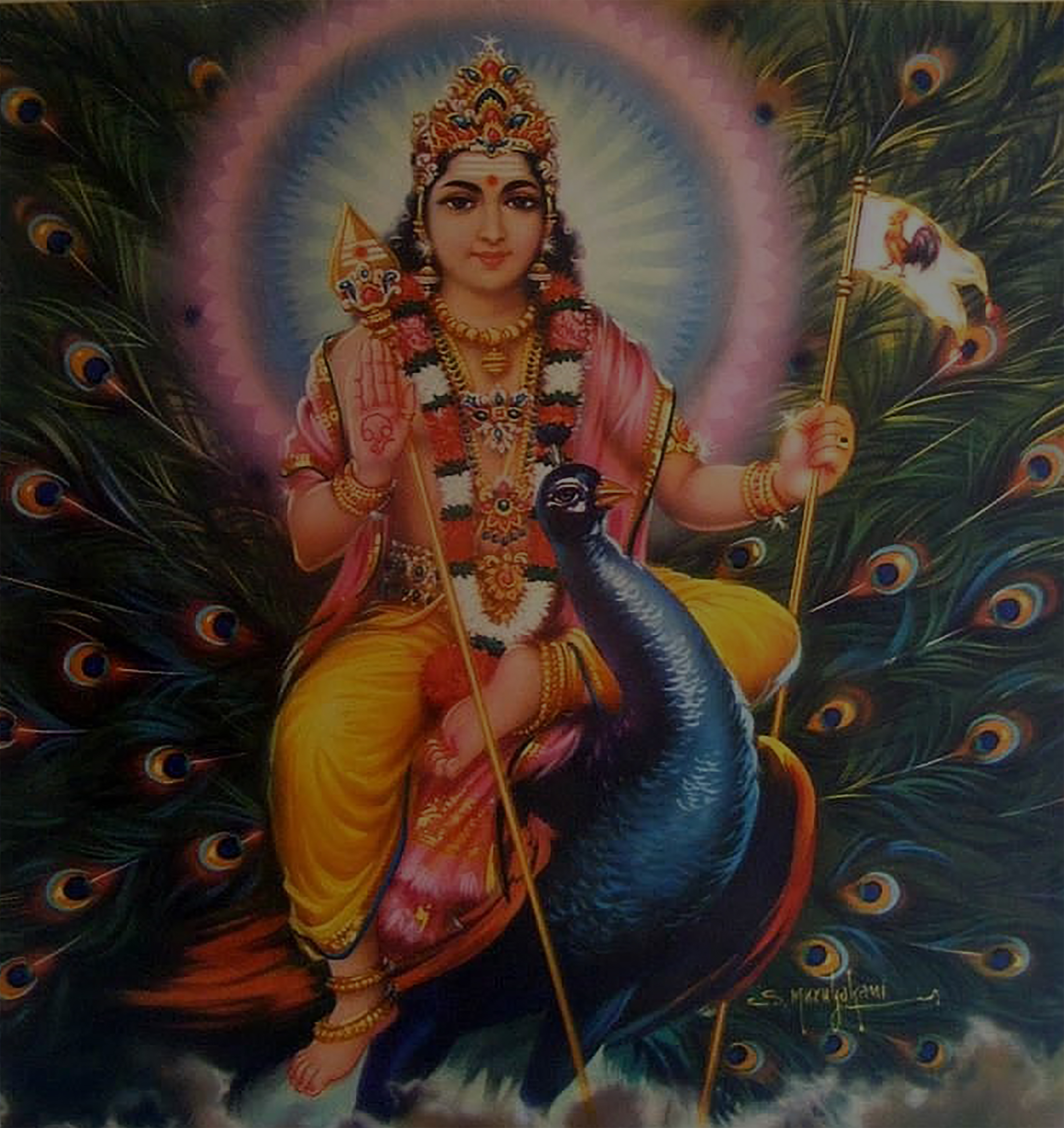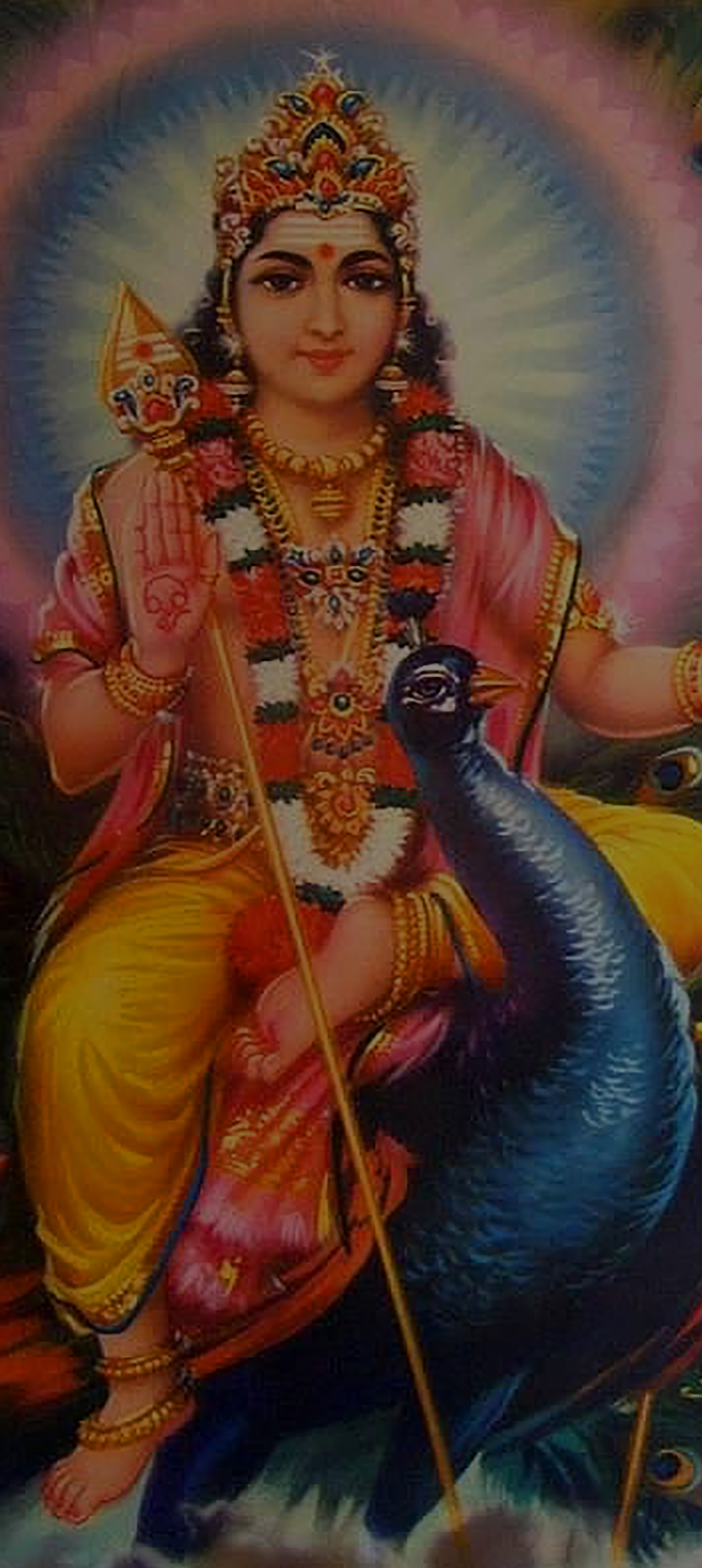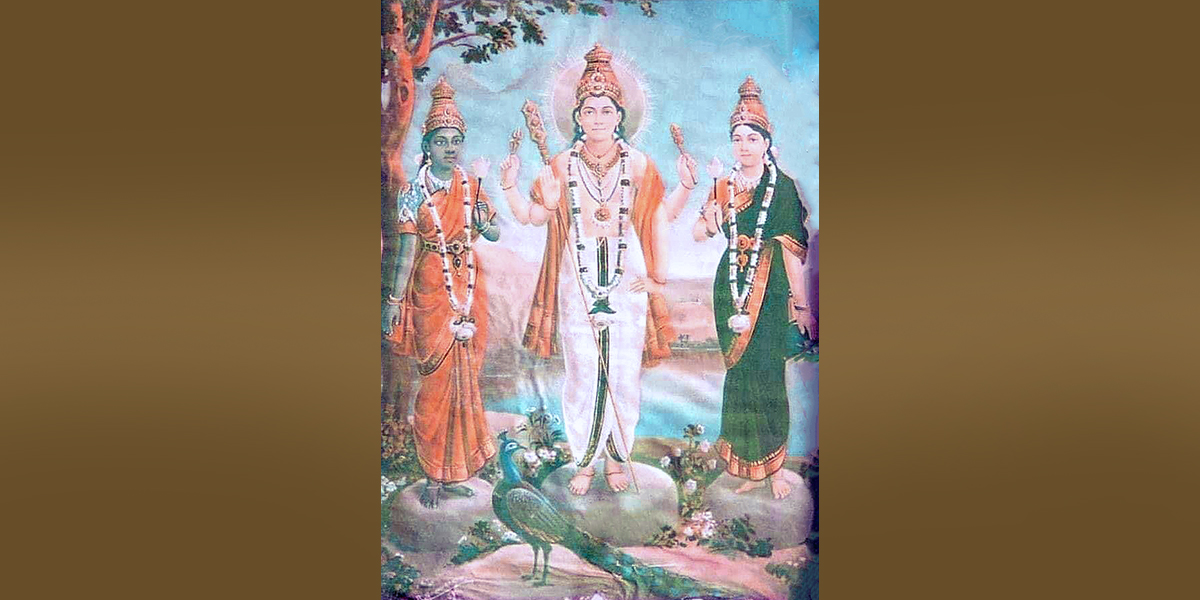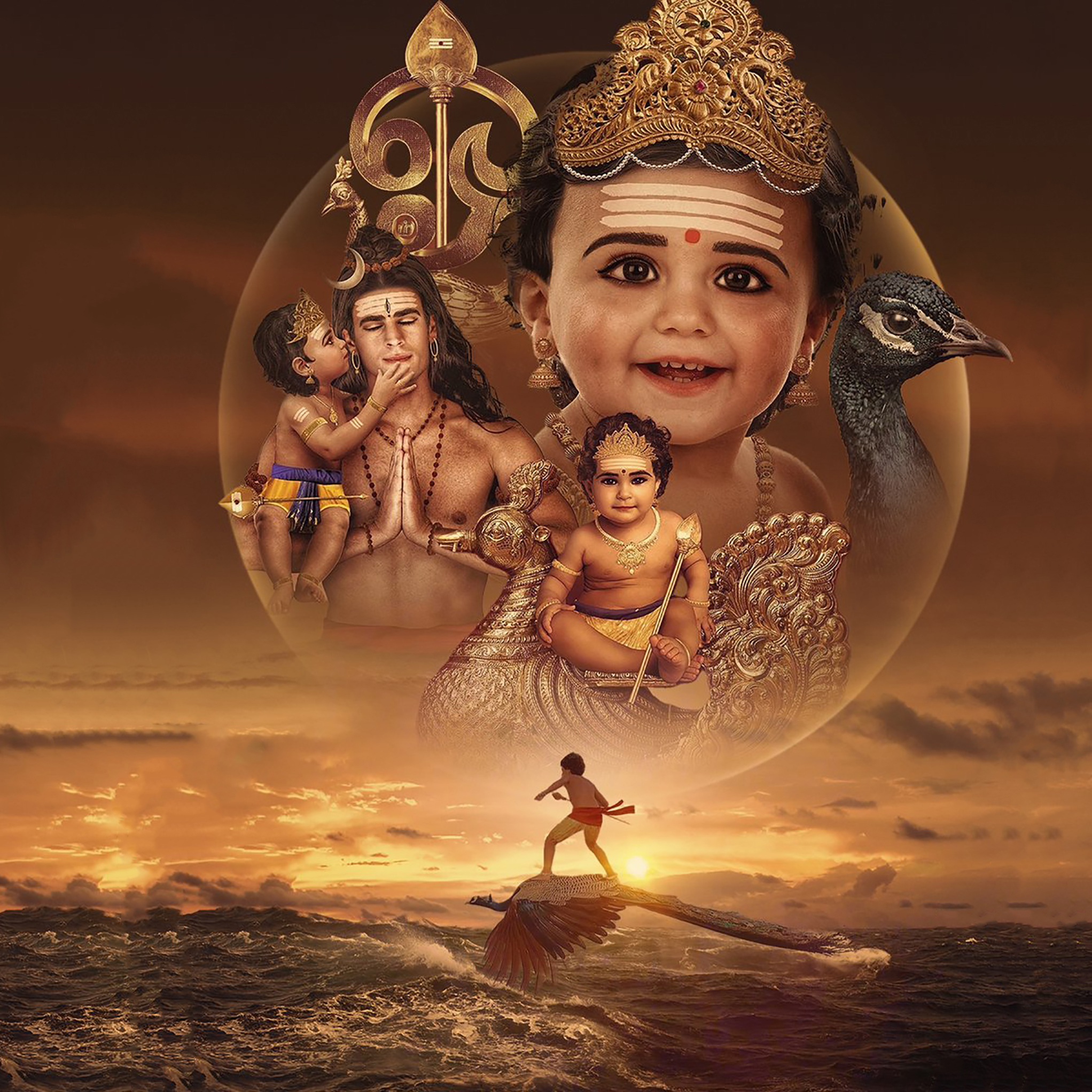
Murugan is the Hindu god of war and victory, worshiped primarily in areas with Tamil influences, especially South India, Sri Lanka, Mauritius, Malaysia, Singapore and Reunion Island. His six most important shrines in India are the Arupadaiveedu temples, located in Tamil Nadu, India.
In Sri Lanka, Hindus as well as Buddhists revere the sacred historical Nallur Kandaswamy temple in Jaffna and Kataragama Temple (also known as "Katharagama Devalaya" in Sinhala) situated deep south.
In Malaysia, Indians also pray to Murugan at the Batu Caves and various temples where Thaipusam is celebrated with grandeur.
In Karnataka and Andhra Pradesh, He is known as Subrahmanya with a temple at Kukke Subramanya known for Sarpa shanti rites dedicated to Him. In Bengal and Odisha, he is popularly known as Kartikeya (meaning 'son of Krittika'). Murugan is most popular amongst the Tamil people who revere Him as Thamizh Kadavul which means 'God of Tamils'.
The Birth
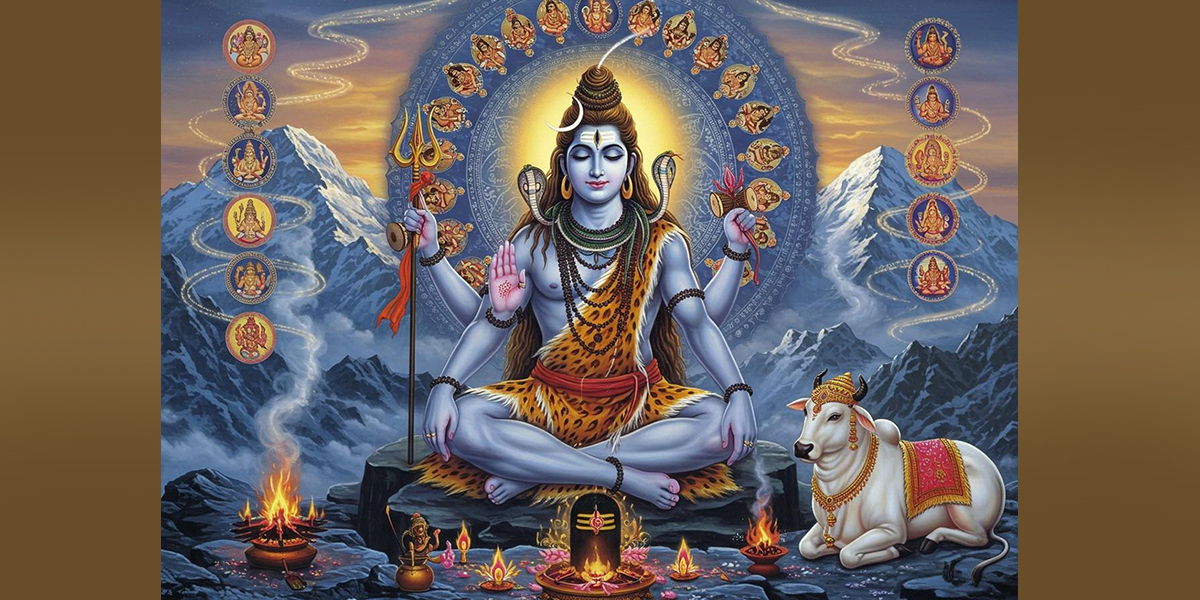
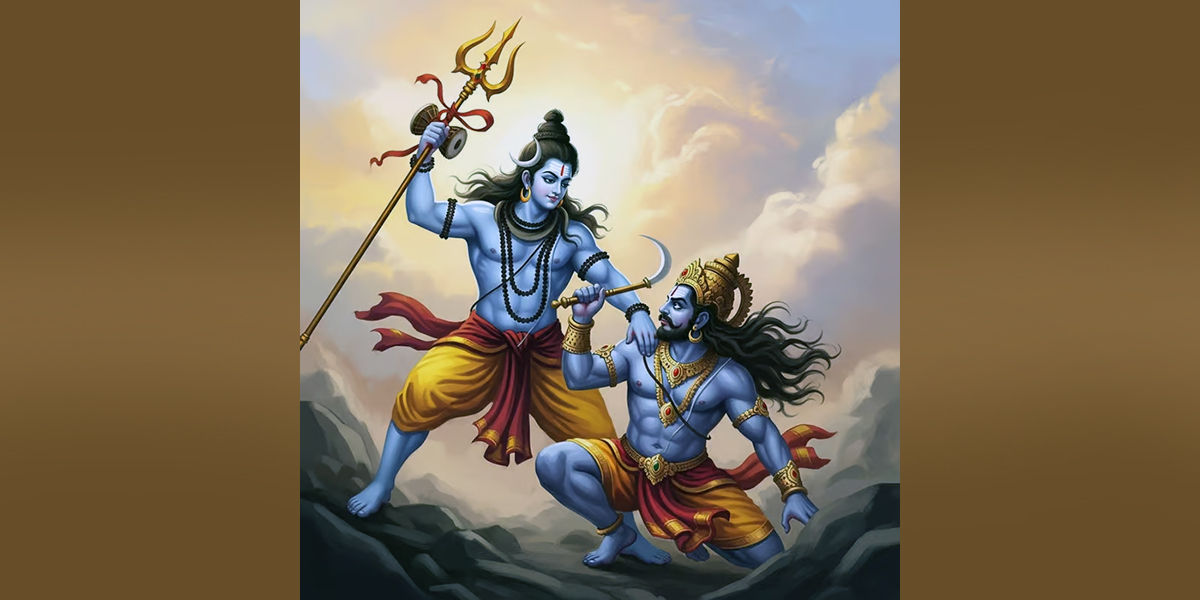
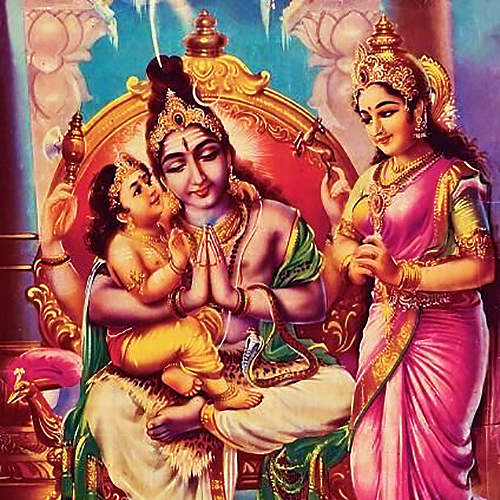
The pure form of universe energy Adi Parashakti took avatar as Sati, immolated herself in a pyre as her father King Daksha had insulted the Supreme God Shiva. She was reborn as Parvathi or Uma, daughter of the King of Himalayas, Himavan. She then married her Shiva. The Devas were under onslaught from the Asuras whose leader was Soorapadman. He had been granted boons that only Shiva or his seed could kill him. Fearless he vanquished the Devas and made them his slaves. The Devas ran to Vishnu for help who told them that it was merely their fault for attending Daksha's yagna, without the presence of Shiva. After this, they ran to Shiva for help. Shiva decided to take action against Soorapadman's increasing conceit.
He frowned and his third eye- the eye of knowledge- started releasing sparks. These were six sparks in total. Son who born from the fiery tejas of Shiva's third eye and united through Parvathi's divine shakti — who is deeply honored and worshipped in the names Murugan, Skanda, or Karthikeya — the divine embodiment of knowledge or wisdom, courage, and spiritual light. Agni had the responsibility to take them to Saravana Lake. As he was carrying them, the sparks were growing hotter and hotter that even the Agni (Lord of Fire) could not withstand the heat. Soon after Murugan was born on a lotus in the Saravana Lake with six faces, giving him the name Arumugam. Shiva and Parvati visited and tears of joy started flowing as they witnessed the most handsome child. Shiva and Parvathi gave the responsibility of taking care of Muruga to the six Krittika sisters. Muruga grew up to be a handsome, intelligent, powerful, clever youth. All the Devas applauded at their saviour, who had finally come to release them from their woes. Murugan became the supreme general of the demi-gods, then escorted the devas and led the army of the devas to victory against the asuras.
Other Names
Like most Hindu deities, Murugan is known by many other names, including:
- Senthil,
- Velan,
- Kumaran (meaning 'prince or child or young one'),
- Swaminatha (meaning 'smart' or 'clever'),
- Saravana,
- Arumugam or Shanmuga (meaning 'one with six faces'),
- Dhandapani (meaning God with a long rattan or stick),
- Guhan or Guruguha (meaning 'cave-dweller'),
- Subrahmanya, Kartikeya and Skanda (meaning 'that which is spilled or oozed).
He was also known as Swami Mahasena and the Kadamba Dynasty kings worshiped him by this name.