FAMILY

  • SHIVA (Rudra, Mahadeva, Shankara), Earliest recorded as Vedic Rudra in world oldest holy scripture Rigveda; later exalted as Shiva in Upanishads and Puranas.
    SHIVA (Rudra, Mahadeva, Shankara)

    Earliest recorded as Vedic Rudra in world oldest holy scripture Rigveda; later exalted as Shiva in Upanishads and Puranas.
    Without physical form (formless), creator-preserver-destroyer-regenerator of all cosmic/celestial and Supreme yogi.

    LINK
  • SHAKTI (Adi Parashakti, Parvati, Durga, Devi), Praised in the Devi Sukta of the Rigveda; fully systematized in the Devi Mahatmya.
    SHAKTI (Adi Parashakti, Parvati, Durga, Devi)

    Praised in the Devi Sukta of the Rigveda; fully systematized in the Devi Mahatmya.
    Pure energy (Adi Parashakti) of primordial feminine, mother of the universe.

    LINK
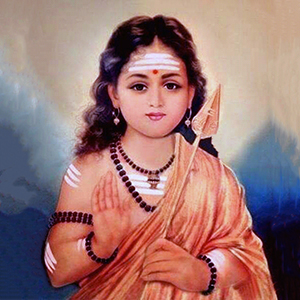
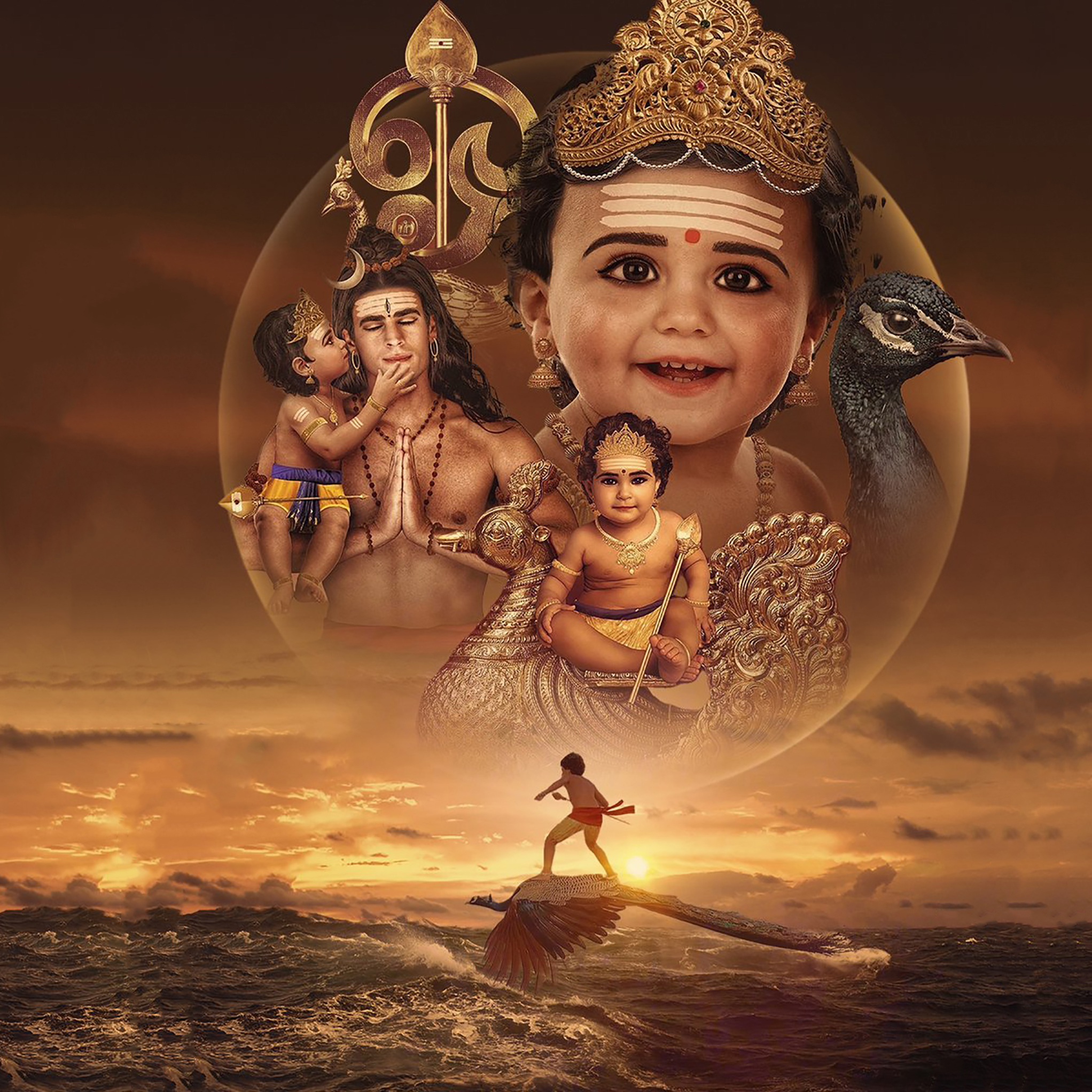
  • MURUGAN (Skanda, Kartikeya, Kumara, Subrahmanya), Appears in epics and Puranas, also a very ancient Hindu and Tamil deity.
    MURUGAN (Skanda, Kartikeya, Kumara, Subrahmanya)

    Appears in epics and Puranas, also a very ancient Hindu and Tamil deity.
    God of war, valor, beauty, and youth, commander of the celestial army.

    LINK
  • ANDHAKA (Andhakasura), A Puranic demon arising from Parvati's sweat; subdued and adopted by Shiva in some traditions.
    ANDHAKA (Andhakasura)

    A Puranic demon arising from Parvati's sweat; subdued and adopted by Shiva in some traditions.
    Symbol of blindness and desire, later integrated into Shiva's retinue.

    LINK
  • GANESHA (Ganapati, Vinayaka, Pillaiyar), Elephant-headed son who rises to cultic prominence from the Gupta era.
    GANESHA (Ganapati, Vinayaka, Pillaiyar)

    Elephant-headed son who rises to cultic prominence from the Gupta era.
    Remover of obstacles and lord of beginnings.

    LINK
  • ASHOKA SUNDARI, Daughter of Shiva and Parvati from the Padma Purana.
    ASHOKA SUNDARI

    Daughter of Shiva and Parvati from the Padma Purana.
    Granted by Parvati's wish, later marries Nahusha.

    LINK
  • AYYAPPA (Hariharaputra, Manikandan, Shasta), Medieval South-Indian tradition: son of Shiva and Mohini (Vishnu's female form).
    AYYAPPA (Hariharaputra, Manikandan, Shasta)

    Medieval South-Indian tradition: son of Shiva and Mohini (Vishnu's female form).
    Celibate god of dharma, centered at the Sabarimala pilgrimage.

    LINK
  • JYOTI, Later regional tradition in Tamil Shaivism. Often identified with Jwalamukhi or linked to Murugan's vel.
    JYOTI

    Later regional tradition in Tamil Shaivism. Often identified with Jwalamukhi or linked to Murugan's vel.
    Goddess of divine light, sometimes described as arising from Shiva's halo or Parvati's spark.

    LINK

Murugan / Skanda / Kartikeya

Titelbild für Auszeichnungen und Preise

Wisdom of Murugan, Skanda, Kartikeya

This platform is dedicated to exploring sacred timeless teachings preserved - which all together illuminate the divine presence, serving as a guiding light of education and wisdom for seekers worldwide to awaken to the eternal light of Murugan.

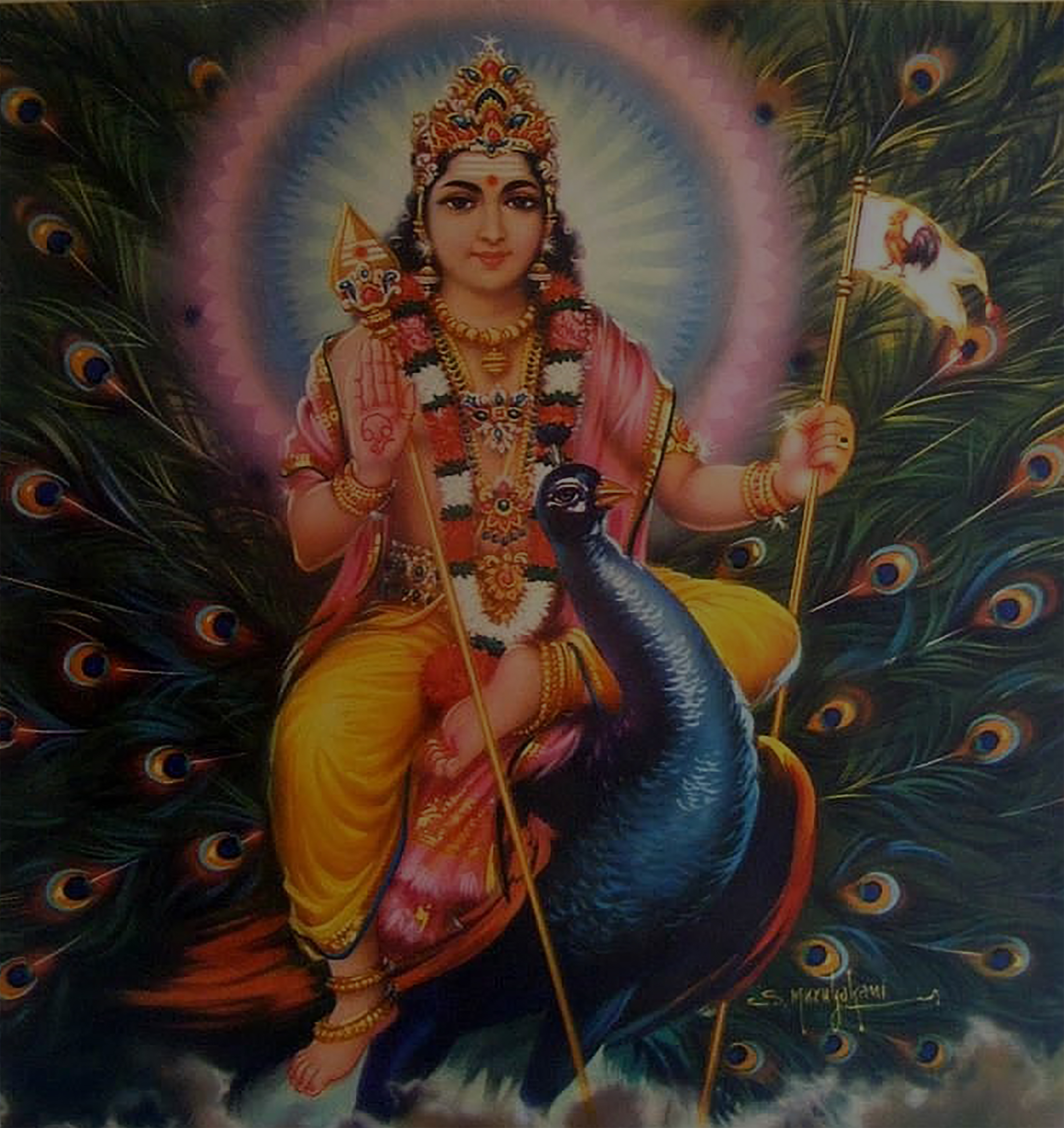
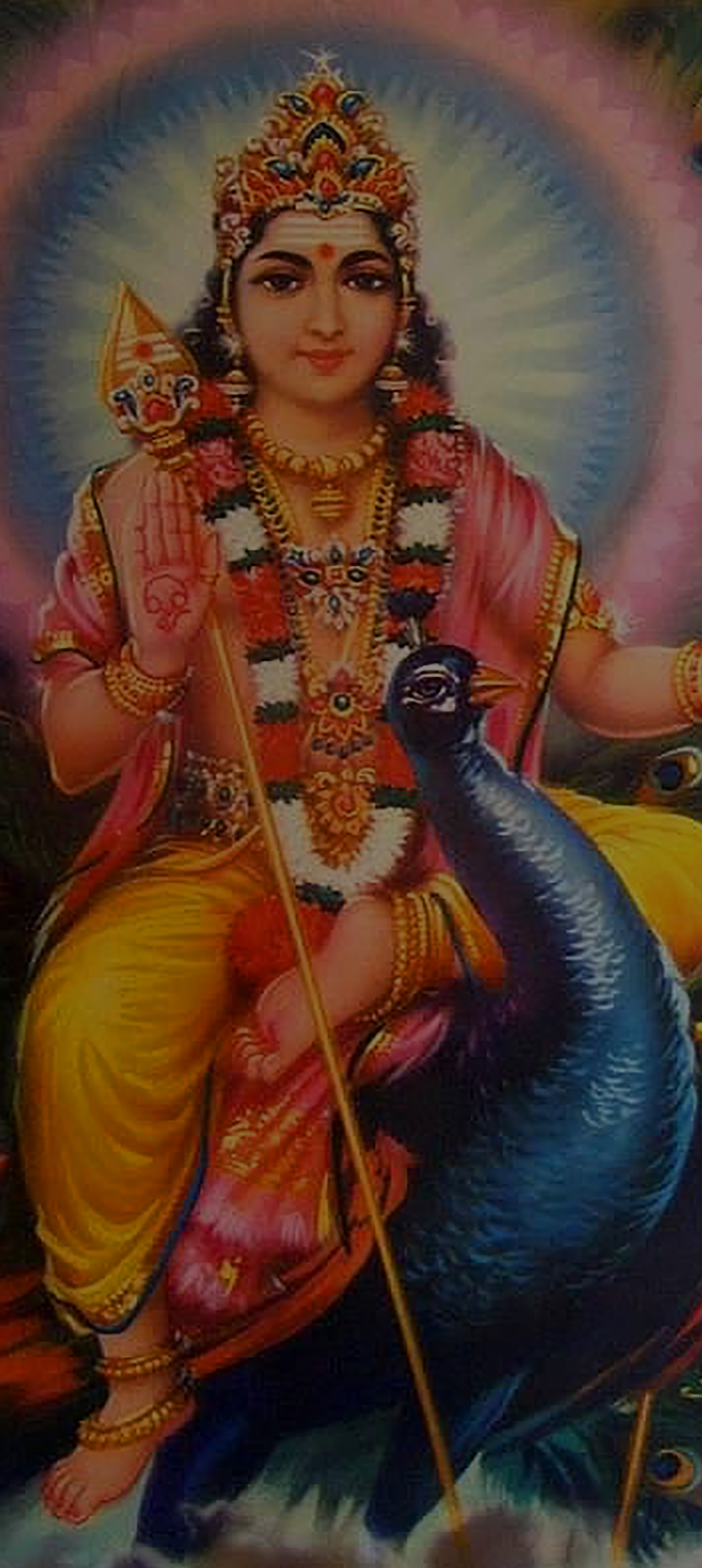
Murugan is the Hindu god of war and victory, worshiped primarily in areas with Tamil influences, especially South India, Sri Lanka, Mauritius, Malaysia, Singapore and Reunion Island. His six most important shrines in India are the Arupadaiveedu temples, located in Tamil Nadu, India.

In Sri Lanka, Hindus as well as Buddhists revere the sacred historical Nallur Kandaswamy temple in Jaffna and Kataragama Temple (also known as "Katharagama Devalaya" in Sinhala) situated deep south.

In Malaysia, Indians also pray to Murugan at the Batu Caves and various temples where Thaipusam is celebrated with grandeur.

In Karnataka and Andhra Pradesh, He is known as Subrahmanya with a temple at Kukke Subramanya known for Sarpa shanti rites dedicated to Him. In Bengal and Odisha, he is popularly known as Kartikeya (meaning 'son of Krittika'). Murugan is most popular amongst the Tamil people who revere Him as Thamizh Kadavul which means 'God of Tamils'.

The Birth

The pure form of universe energy Adi Parashakti took avatar as Sati, immolated herself in a pyre as her father King Daksha had insulted the Supreme God Shiva. She was reborn as Parvathi or Uma, daughter of the King of Himalayas, Himavan. She then married her Shiva. The Devas were under onslaught from the Asuras whose leader was Soorapadman. He had been granted boons that only Shiva or his seed could kill him. Fearless he vanquished the Devas and made them his slaves. The Devas ran to Vishnu for help who told them that it was merely their fault for attending Daksha's yagna, without the presence of Shiva. After this, they ran to Shiva for help. Shiva decided to take action against Soorapadman's increasing conceit.

He frowned and his third eye- the eye of knowledge- started releasing sparks. These were six sparks in total. Son who born from the fiery tejas of Shiva's third eye and united through Parvathi's divine shakti — who is deeply honored and worshipped in the names Murugan, Skanda, or Karthikeya — the divine embodiment of knowledge or wisdom, courage, and spiritual light. Agni had the responsibility to take them to Saravana Lake. As he was carrying them, the sparks were growing hotter and hotter that even the Agni (Lord of Fire) could not withstand the heat. Soon after Murugan was born on a lotus in the Saravana Lake with six faces, giving him the name Arumugam. Shiva and Parvati visited and tears of joy started flowing as they witnessed the most handsome child. Shiva and Parvathi gave the responsibility of taking care of Muruga to the six Krittika sisters. Muruga grew up to be a handsome, intelligent, powerful, clever youth. All the Devas applauded at their saviour, who had finally come to release them from their woes. Murugan became the supreme general of the demi-gods, then escorted the devas and led the army of the devas to victory against the asuras.

Other Names

Like most Hindu deities, Murugan is known by many other names, including:

  • Senthil,
  • Velan,
  • Kumaran (meaning 'prince or child or young one'),
  • Swaminatha (meaning 'smart' or 'clever'),
  • Saravana,
  • Arumugam or Shanmuga (meaning 'one with six faces'),
  • Dhandapani (meaning God with a long rattan or stick),
  • Guhan or Guruguha (meaning 'cave-dweller'),
  • Subrahmanya, Kartikeya and Skanda (meaning 'that which is spilled or oozed).

He was also known as Swami Mahasena and the Kadamba Dynasty kings worshiped him by this name.

January 2025

Notes.

Chaturthi Viratham (Chaturthi Vrat) • Vinayaka Chaturthi (Sanskrit: Ganesha Chaturthi or Vinayaka Chaturthi / Hindi: Vinayak Chaturthi)

The fourth day of the bright and dark half of the Moon in every lunar month of the Hindu calendar is called Chaturthi Tithi – the day to observe Chaturthi Viratham (Chaturthi Vrat). This day is dedicated to Lord Ganesh (Ganpati) and is traditionally observed by men. Shukla Paksha Chaturthi is celebrated as Vinayaka Chaturthi (Sanskrit: गणेश चतुर्थी, Hindi: गणेश चतुर्थी / Tamil: விநாயக சதுர்த்தி / Telugu: వినాయక చతుర్థి / Kannada: ವಿನಾಯಕ ಚತುರ್ಥಿ / Malayalam: വിനായക ചതുര്തി / Bengali: গণেশ চতুর্থী) after the full moon, and Krishna Paksha Chaturthi is observed as Sankashti Chaturthi.

Among all Chaturthi days, the one falling on the bright half of Bhadra (Bhadrapad) month is most popular and celebrated as Ganesh Chaturthi, the birthday of Lord Ganesh. Ganesh Chaturthi 2025 is on 27 August and Ganesh Visarjan will be on 6 September 2025.

Significance of Ganesh Chaturthi:
Ganesh Chaturthi commemorates the birth of Lord Ganesh, the God of Wisdom, Wealth, and Fortune. The festival symbolizes new beginnings and a fresh start. Worshipping Lord Ganesha is considered essential before any new venture, as His blessings remove obstacles, provide strength, and impart wisdom.

Step-by-Step Rituals and Daily Routine:
1. Morning: Wake early, take a bath, and wear clean clothes. Set up the Ganesh idol on a decorated altar.
2. Morning Puja: Begin with Pranapratistha by chanting mantras to invoke life into the idol. Offer sandalwood paste, kumkum, flowers, and durva (tri-bladed grass).
3. Midday Puja (Madhyahna Kaal): Perform Ganesh Puja from 11:13 AM - 1:43 PM on 27 August 2025, offering 21 modaks and 21 durvas.
4. Avoid Moon Sighting: From 9:28 AM - 9:08 PM on 27 August, 2025, avoid looking at the Moon to prevent inauspicious results.
5. Evening: Recite Ganesh mantras such as "श्री वक्रतुण्ड महाकाय सूर्य कोटी समप्रभा निर्विघ्नं कुरु मे देव सर्व-कार्येशु सर्वदा॥" Offer prasad and participate in devotional songs.
6. End of Festival: On Ganesh Visarjan day (6 September 2025), perform the immersion ceremony with proper rituals, offering coconuts, flowers, and sweets in a procession.

Important Timings (Ujjain, India) on Ganesh Chaturthi 2025:
Sunrise: 27 August, 6:11 AM
Sunset: 27 August, 6:45 PM
Chaturthi Tithi Timings: 26 August, 1:55 PM - 27 August, 3:44 PM
Madhyahna Ganesh Puja: 11:13 AM - 1:43 PM
Time To Avoid Moon Sighting: 9:28 AM - 9:08 PM
Place: Ujjain, India

Ganesh Chaturthi Festival Dates 2025 (Chaturthi Viratham / Chaturthi Vrat):
January 3 – 03 January, 1:08 AM - 03 January, 11:40 PM
February 1 – 01 February, 11:38 AM - 02 February, 9:14 AM
March 3 – 02 March, 9:02 PM - 03 March, 6:02 PM
April 1 – 01 April, 5:42 AM - 02 April, 2:32 AM
May 1 – 30 April, 2:12 PM - 01 May, 11:24 AM
May 30 – 29 May, 11:18 PM - 30 May, 9:23 PM
June 28 – 28 June, 9:54 AM - 29 June, 9:15 PM
July 28 – 27 July, 10:42 PM - 28 July, 11:24 PM
August 27 – 26 August, 1:55 PM - 27 August, 3:44 PM
September 25 – 25 September, 7:06 AM - 26 September, 9:33 AM
October 25 – 25 October, 1:20 AM - 26 October, 3:48 AM
November 24 – 23 November, 7:25 PM - 24 November, 9:22 PM
December 24 – 23 December, 12:13 PM - 24 December, 1:11 PM

FAQs:

1: When is the Ganesh Sthapana Muhurtam (Muhurat) 2025?
- Ganesh Sthapana is done during the Madhyahna Kaal on the day of Ganesh Chaturthi. The Madhyahna Kaal Ganesh Puja will be from 11:13 AM - 01:43 PM on 27 August, 2025. The Ganesh Idol can be brought home when the Chaturthi Tithi begins at 26 August, 1:55 PM.

2: What are the differences between Ganesh Chaturthi and Ganesh Jayanti?
- Ganesh Chaturthi is celebrated on the Krishna Paksha Chaturthi of Bhadrapada month (Bhadrapada Vinayaka Chaturthi), and Ganesh Jayanti is observed during the Shukla Paksha Chaturthi of Magha month (Magha Sankashti Chaturthi). The Chaturthi Tithi falling on the Shukla Paksha of any month is called Sankashti Chaturthi, while the one falling on the Krishna Paksha is called Vinayaka Chaturthi (Sanskrit: गणेश चतुर्थी, Hindi: गणेश चतुर्थी / Tamil: விநாயக சதுர்த்தி / Telugu: వినాయక చతుర్థి / Kannada: ವಿನಾಯಕ ಚತುರ್ಥಿ / Malayalam: വിനായക ചതുര്തി / Bengali: গণেশ চতুর্থী). Both Ganesh Jayanti and Ganesh Chaturthi are celebrated as the birthday of Lord Ganesha, but the latter one is more widely recognized. Ganesh Jayanti marks the creation of Lord Ganesh by Goddess Parvati, whereas Ganesh Chaturthi signifies Lord Ganesha descending from Mount Kailash to visit his brother, Lord Karthikeya.

3: When should we avoid Moon sighting on Ganesh Chaturthi 2025?
- The Moon will rise at 27 August, 9:28 AM and set at 9:08 PM.
- According to ancient scriptures like Mudgala Purana, Skanda Purana, and Brahmanda Purana, Chandradev, the Lord of the Moon, once ridiculed Lord Ganesh’s appearance, provoking His anger. Lord Ganesh cursed Chandradev, causing him to disappear. After Chandradev apologized, Lord Ganesh modified the curse, decreeing that anyone who gazes at the Moon on Ganesh Chaturthi may face false accusations.

Ganesh Chaturthi Festival Dates between 2020 & 2030:
2020 – 22 August
2021 – 10 September
2022 – 31 August
2023 – 19 September
2024 – 7 September
2025 – 27 August
2026 – 14 September
2027 – 4 September
2028 – 23 August
2029 – 11 September
2030 – 1 September
Bhogi, Bhogi Pandigai, Lohri, Maghi Bihu, Bhogali Bihu: Timings, Rituals, Significance, Dates

Bhogi (போகி), also known as Bhogi Pandigai (போகி பண்டிகை) in Tamil, is the first day of the four-day harvest festival celebrated in Southern India, marking the beginning of Pongal (பொங்கல்). This day is dedicated to Lord Indra, the deity of rain and clouds, and is observed by Hindus in the Indian states of Andhra Pradesh, Telangana, Tamil Nadu, Karnataka, and Maharashtra. In other regions, it is celebrated as Lohri (ਲੋਹੜੀ) in Punjab and Haryana, and as Maghi Bihu (মাঘী বিহু) or Bhogali Bihu in Assam. The festival typically falls on the last day of the Tamil month Margazhi, corresponding to January 13 in the Gregorian calendar. In 2026, Bhogi will be observed on Tuesday, January 13.

Bhogi signifies the end of the old and the beginning of the new, symbolizing the discard of old possessions and the welcoming of new ones. It marks the transition of the Sun from the southern hemisphere to the northern hemisphere, known as Uttarayana, which is considered an auspicious period in Hindu tradition. The festival is celebrated with fervor, involving various rituals and customs that vary across regions.

Rituals and Celebrations

1. Cleaning and Decorating Homes: On Bhogi, homes are thoroughly cleaned and decorated with kolams (கோலம்), intricate patterns made with rice flour, and adorned with fresh flowers and mango leaves.

2. Bonfire (Bhogi Mantalu): A significant ritual involves lighting a bonfire using old clothes, wooden items, and agricultural waste. This fire symbolizes the destruction of old and the ushering in of new. People gather around the bonfire, singing traditional songs and offering prayers.

3. Worship of Tools and Implements: Farmers worship their ploughs, cattle, and other agricultural tools, seeking blessings for a prosperous harvest. These tools are cleaned, decorated, and offered prayers to ensure their effectiveness in the coming agricultural season.

4. Preparation of Traditional Foods: Special dishes are prepared using freshly harvested crops. In Tamil Nadu, a dish called 'Bhogi Pallu' is prepared, which includes freshly harvested rice, fruits, and money, and is distributed among children.

5. Community Celebrations: The day is marked by community gatherings, folk dances, music, and the lighting of small lamps. In some regions, traditional sports and games are organized to celebrate the harvest.

Scientific and Cultural Significance

Scientifically, Bhogi coincides with the astronomical event of the Sun's transition from the southern hemisphere to the northern hemisphere, known as Uttarayana. This period is considered to bring longer days and is associated with the onset of the harvest season. Culturally, Bhogi emphasizes the themes of renewal, gratitude, and community bonding. It encourages individuals to let go of the past and embrace new beginnings, fostering a sense of unity and shared purpose.

Timings for Bhogi 2026

Ujjain, India (UTC+5:30)

- Date: Tuesday, January 13, 2026

- Sunrise: Approximately 7:14 AM

- Sunset: Approximately 5:57 PM

- Sankranti Moment: Approximately 3:04 PM

Malaysia/Singapore (UTC+8)

- Date: Tuesday, January 13, 2026

- Sunrise: Approximately 9:44 AM

- Sunset: Approximately 7:57 PM

- Sankranti Moment: Approximately 5:34 PM

New York, United States (UTC-4)

- Date: Tuesday, January 13, 2026

- Sunrise: Approximately 5:14 AM

- Sunset: Approximately 4:57 PM

- Sankranti Moment: Approximately 5:04 AM

Future Dates for Bhogi

- 2027: Thursday, January 14

- 2028: Friday, January 14

- 2029: Saturday, January 13

- 2030: Sunday, January 13

Bhogi serves as a reminder to embrace change, celebrate the fruits of labor, and foster a spirit of togetherness and gratitude. Its observance not only strengthens cultural traditions but also aligns with natural cycles, promoting harmony between humanity and nature.

Arudra Darshan | Ardra Darshana Vrata | Thiruvadhirai Vrata (திருவாதிரை விரதம் / అరుద్ర దర్శనం / অরুদ্র দর্শন / अरुद्रा दर्शन / ಅರುದ್ರ ದರ್ಶನ / അരുദ്ര ദർശനം)

Arudra Darshan, also known as Ardra Darshana Vrata (Sanskrit: आर्द्र दर्शन व्रत) and Thiruvadhirai Vrata (Tamil: திருவாதிரை விரதம்), is one of the most sacred Shaivite festivals observed across India and globally. It falls during the Tamil month of Mārkazhi (மார்கழி), which aligns with Mārgaśīrṣa (मार्गशीर्ष) in the Hindu lunar calendar, corresponding to December–January in the Gregorian calendar. The festival coincides with the Ardra (Thiruvathirai) Nakshatra on the full moon day and is deeply associated with the cosmic dance of Lord Shiva as Nataraja (நடராஜர் / नटराज).

The Tamil word “Thiruvathirai” literally means “sacred great wave,” symbolizing the primordial vibrations that set creation into motion. Devotees believe this day marks Lord Shiva’s Ananda Tandava (Dance of Bliss), which sustains the cycle of creation, preservation, and dissolution. In Tamil Nadu and Kerala, it is celebrated with immense devotion, while temples in Karnataka, Andhra Pradesh, and other states also observe it with grandeur. Beyond India, Arudra Darshan is revered in Sri Lanka, Malaysia, Singapore, South Africa, Australia, and other regions with large Shaivite communities.

Mythological Background

According to legends, Lord Shiva appeared in his cosmic dancing form at Chidambaram on this day to grant the vision of his divine dance to his devotees Vyāghrapāda (the saint with tiger’s feet) and Patanjali (the sage associated with yoga). Another legend mentions that Adi Sesha, the great serpent of Lord Vishnu, desired to witness Shiva’s cosmic dance. Following Lord Vishnu’s advice, he performed penance at Chidambaram, where he was blessed with the vision of the Lord’s celestial dance.

Arudra Darshan 2025 Date and Time (Ujjain, India)
Date: 13 January 2025 (Monday)
Sunrise: 07:14 AM
Sunset: 05:56 PM
Pournami Tithi: Begins 13 January at 05:03 AM and ends 14 January at 03:56 AM
Thiruvathirai (Ardra) Nakshatra: Begins 12 January at 11:24 AM and ends 13 January at 10:38 AM
Location: Ujjain, Madhya Pradesh, India

Scientific and Cultural Significance

The observance falls shortly after the winter solstice, one of the longest nights of the year, symbolizing the deep spiritual light that emerges out of cosmic darkness. Astronomically, it marks the alignment of the full moon with the Ardra star, making it significant in Jyotisha (Hindu astronomy/astrology). From a cultural perspective, the rituals—chanting, fasting, and offering food—are designed to harmonize the body, mind, and environment with seasonal cycles. Scientists often highlight that such rituals align with circadian rhythms and seasonal dietary practices that enhance physical well-being.

Step-by-Step Observance of Arudra Darshan (Thiruvadhirai Vrata)

1. Pre-Dawn Ritual (Brahma Muhurta): Devotees wake before sunrise, bathe in sacred water or at home, symbolizing purification of body and mind.
2. Morning Puja: Visit Shiva temples or perform puja at home. Abhishekam (ritual bathing) of Lord Shiva is carried out with water, milk, curd, ghee, honey, and sandalwood paste.
3. Alankaram (Decoration): The idol of Lord Nataraja is adorned with flowers, sacred ash (vibhuti), and vibrant clothes.
4. Offering of Deepam: Rows of ghee lamps are lit, representing the dispelling of ignorance.
5. Naivedyam (Food Offering): Traditional dishes such as “Thiruvadhirai Kali” (sweet rice-jaggery delicacy) and “Ezhukari Kootu” (seven-vegetable curry) are prepared and offered.
6. Midday Rituals: Chanting of Shaivite hymns like the “Thiruvempavai” by Saint Manikkavachakar. Many also read from the Shiva Purana.
7. Evening Procession: In many temples, the idol of Lord Nataraja is carried in a procession with devotional music and dance, reflecting the cosmic dance itself.
8. Fasting and Vigil: Devotees fast on this day, consuming only light sattvic food or water. Night-long vigil (jagarana) is maintained with bhajans, meditation, and chanting.
9. Next Day Morning: The fast is broken after performing puja at dawn, symbolizing the renewal of spiritual energy and blessings from Lord Shiva.

Time Synchronization for Global Devotees

Malaysia / Singapore: On 13 January 2025, sunrise is around 07:17 AM and sunset around 07:12 PM. Pournami Tithi and Nakshatra timings may shift slightly due to longitudinal differences. Devotees are encouraged to follow local panchangam.
New York, USA: On 13 January 2025, sunrise is around 07:20 AM and sunset at 04:52 PM. The Pournami Tithi overlaps 13–14 January local time. Temples in the U.S. generally align rituals with local sunrise and Nakshatra timings.

Future Arudra Darshan Dates (Ujjain, India)
2025 – 13 January (Monday)
2026 – 3 January (Saturday)
2027 – 22 December (Wednesday)
2028 – 10 January (Monday)
2029 – 29 December (Saturday)
2030 – 18 December (Wednesday)

Amavasai, Amavasya Viratham (Vrat) 2025 • Significance of Amavasya

Meaning of Amavasya
Amavasai, Amavasya Viratham (Vrat). Amavasya (Sanskrit: अमावस्या) literally means “no moon” — “a” (negation) + “ma” (moon) + “vasya” (to dwell). In many Indian languages, it is known as Amavasya (Hindi: अमावस्या Amāvāsyā; Tamil: அமாவாசை Amāvācai; Telugu: అమావాస్య Amāvāsya; Kannada: ಅಮಾವಾಸ್ಯ Amāvāsya; Malayalam: ആമാവാസ്യം Āmāvāsyam; Bengali: অমাবস্যা Amābasyā). It marks the lunar phase when the Moon is not visible in the sky.

Importance of Amavasya
Amavasya is considered an auspicious time for spiritual practices, ancestral rites (श्राद्ध – Śrāddha), remembrance of departed souls, and introspection. Many significant fasts, rituals, and festivals (e.g. Diwali’s Lakshmi Puja) fall on Amavasya days. Somvati Amavasya (when Amavasya coincides with Monday) is especially revered.

The day of Amavasya is held in reverence by many and is believed to be the most auspicious day to offer shraddh and pay homage to one's ancestors, especially dead parents.

Some of the most popular observances and important Amavasya dates are Mauni Amavasya, Shani Jayanti, Vat Savitri Vrat, Bhaumvati Amavasya, Lakshmi puja (Diwali), Hariyali Amavasya, Mahalaya Amavasya (Pitru Paksha).

Of all the Amavasya days, an Amavasya falling on Monday Somavara (Somvara) is considered most auspicious. Know as Somvati Amavasya, fasting and observing Viratham (Vrat) (Somvati Amavasya Vrat) on this day is considered most meritorious. Taking holy dip in waters of the sacred rivers like the Ganga, Yamuna, Krishna or Kaveri. On the day of Somvati Amavasya, 1000s of devotees throng religious places like Haridwar, Varanasi etc.

All Amavasya Dates in 2025 (for reference)

29 January
Amavasya Tithi Time: 28 January, 7:36 PM - 29 January, 6:05 PM
27 February
Amavasya Tithi Time: 27 February, 8:55 AM - 28 February, 6:14 AM
March 29
Amavasya Tithi Time: March 28, 7:55 PM - March 29, 4:27 PM
April 27
Amavasya Tithi Time: April 27, 4:50 AM - April 28, 1:01 AM
May 27
Amavasya Tithi Time: May 26, 12:12 PM - May 27, 8:32 AM
June 25
Amavasya Tithi Time: June 24, 7:00 PM - June 25, 4:01 PM
July 24
Amavasya Tithi Time: July 24, 2:29 AM - July 25, 12:41 AM
August 23
Amavasya Tithi Time: August 22, 11:56 AM - August 23, 11:36 AM
September 21
Amavasya Tithi Time: September 21, 12:17 AM - September 22, 1:24 AM
October 21
Amavasya Tithi Time: October 20, 3:45 PM - October 21, 5:55 PM
20 November
Amavasya Tithi Time: November 19, 9:44 AM - November 20, 12:17 PM
December 19
Amavasya Tithi Time: December 19, 4:59 AM - December 20, 7:13 AM

Step-by-Step Observance of Amavasya Vrat
1. Wake before sunrise; take a purifying bath and wear clean clothes.
2. Clean puja area and set up a small altar with idols or photos of ancestors, Goddess Lakshmi (लक्ष्मी), and Lord Vishnu (विष्णु).
3. Light an oil lamp, offer incense, flowers, and water; chant Mantras like the Mahamrityunjaya, Gayatri Mantra, or Shiva / Vishnu stotras.
4. Perform Śrāddha offerings or Tarpaṇa (water oblations) for departed ancestors — offering sesame seeds, black sesame, cooked rice, and water into flowing water body if possible.
5. Observe fast or at least partial restraint (avoid heavy food, non-vegetarian items).
6. Meditate, read scriptures like Bhagavad Gita, Srimad Bhagavatam, or Puranic stories.
7. At auspicious time (often after the tithi ends), break fast modestly and offer food first to a Brahmin or needy person.
8. In evenings or at dusk, perform final prayers and reflect on gratitude, karma, and purpose.

Symbolism & Scientific Perspective
• Amavasya represents the lunar cycle’s new beginning — though invisible, the Moon is poised to wax again. Spiritually it symbolizes renewal, inner silence, and letting go.
• Astrologically, the absence of Moon light is thought to reduce mental turbulence, making meditation and ancestral connection stronger.
• In terms of human physiology, fasting and ritual on a “no-moon” day can help detoxification and mental clarity, aligning body rhythms with lunar cycles.

Global Timing Notes
Malaysia / Singapore: Use local sunrise and sunset as reference; convert Amavasya tithi transitions from IST to UTC+8.
New York, USA: Because of time zone shift, the Amavasya tithi might begin late night or early morning previous day locally; devotees should consult a local Hindu calendar or Panchang for accurate timings.

February 2025

Notes.

Chaturthi Viratham (Chaturthi Vrat) • Vinayaka Chaturthi (Sanskrit: Ganesha Chaturthi or Vinayaka Chaturthi / Hindi: Vinayak Chaturthi)

The fourth day of the bright and dark half of the Moon in every lunar month of the Hindu calendar is called Chaturthi Tithi – the day to observe Chaturthi Viratham (Chaturthi Vrat). This day is dedicated to Lord Ganesh (Ganpati) and is traditionally observed by men. Shukla Paksha Chaturthi is celebrated as Vinayaka Chaturthi (Sanskrit: गणेश चतुर्थी, Hindi: गणेश चतुर्थी / Tamil: விநாயக சதுர்த்தி / Telugu: వినాయక చతుర్థి / Kannada: ವಿನಾಯಕ ಚತುರ್ಥಿ / Malayalam: വിനായക ചതുര്തി / Bengali: গণেশ চতুর্থী) after the full moon, and Krishna Paksha Chaturthi is observed as Sankashti Chaturthi.

Among all Chaturthi days, the one falling on the bright half of Bhadra (Bhadrapad) month is most popular and celebrated as Ganesh Chaturthi, the birthday of Lord Ganesh. Ganesh Chaturthi 2025 is on 27 August and Ganesh Visarjan will be on 6 September 2025.

Significance of Ganesh Chaturthi:
Ganesh Chaturthi commemorates the birth of Lord Ganesh, the God of Wisdom, Wealth, and Fortune. The festival symbolizes new beginnings and a fresh start. Worshipping Lord Ganesha is considered essential before any new venture, as His blessings remove obstacles, provide strength, and impart wisdom.

Step-by-Step Rituals and Daily Routine:
1. Morning: Wake early, take a bath, and wear clean clothes. Set up the Ganesh idol on a decorated altar.
2. Morning Puja: Begin with Pranapratistha by chanting mantras to invoke life into the idol. Offer sandalwood paste, kumkum, flowers, and durva (tri-bladed grass).
3. Midday Puja (Madhyahna Kaal): Perform Ganesh Puja from 11:13 AM - 1:43 PM on 27 August 2025, offering 21 modaks and 21 durvas.
4. Avoid Moon Sighting: From 9:28 AM - 9:08 PM on 27 August, 2025, avoid looking at the Moon to prevent inauspicious results.
5. Evening: Recite Ganesh mantras such as "श्री वक्रतुण्ड महाकाय सूर्य कोटी समप्रभा निर्विघ्नं कुरु मे देव सर्व-कार्येशु सर्वदा॥" Offer prasad and participate in devotional songs.
6. End of Festival: On Ganesh Visarjan day (6 September 2025), perform the immersion ceremony with proper rituals, offering coconuts, flowers, and sweets in a procession.

Important Timings (Ujjain, India) on Ganesh Chaturthi 2025:
Sunrise: 27 August, 6:11 AM
Sunset: 27 August, 6:45 PM
Chaturthi Tithi Timings: 26 August, 1:55 PM - 27 August, 3:44 PM
Madhyahna Ganesh Puja: 11:13 AM - 1:43 PM
Time To Avoid Moon Sighting: 9:28 AM - 9:08 PM
Place: Ujjain, India

Ganesh Chaturthi Festival Dates 2025 (Chaturthi Viratham / Chaturthi Vrat):
January 3 – 03 January, 1:08 AM - 03 January, 11:40 PM
February 1 – 01 February, 11:38 AM - 02 February, 9:14 AM
March 3 – 02 March, 9:02 PM - 03 March, 6:02 PM
April 1 – 01 April, 5:42 AM - 02 April, 2:32 AM
May 1 – 30 April, 2:12 PM - 01 May, 11:24 AM
May 30 – 29 May, 11:18 PM - 30 May, 9:23 PM
June 28 – 28 June, 9:54 AM - 29 June, 9:15 PM
July 28 – 27 July, 10:42 PM - 28 July, 11:24 PM
August 27 – 26 August, 1:55 PM - 27 August, 3:44 PM
September 25 – 25 September, 7:06 AM - 26 September, 9:33 AM
October 25 – 25 October, 1:20 AM - 26 October, 3:48 AM
November 24 – 23 November, 7:25 PM - 24 November, 9:22 PM
December 24 – 23 December, 12:13 PM - 24 December, 1:11 PM

FAQs:

1: When is the Ganesh Sthapana Muhurtam (Muhurat) 2025?
- Ganesh Sthapana is done during the Madhyahna Kaal on the day of Ganesh Chaturthi. The Madhyahna Kaal Ganesh Puja will be from 11:13 AM - 01:43 PM on 27 August, 2025. The Ganesh Idol can be brought home when the Chaturthi Tithi begins at 26 August, 1:55 PM.

2: What are the differences between Ganesh Chaturthi and Ganesh Jayanti?
- Ganesh Chaturthi is celebrated on the Krishna Paksha Chaturthi of Bhadrapada month (Bhadrapada Vinayaka Chaturthi), and Ganesh Jayanti is observed during the Shukla Paksha Chaturthi of Magha month (Magha Sankashti Chaturthi). The Chaturthi Tithi falling on the Shukla Paksha of any month is called Sankashti Chaturthi, while the one falling on the Krishna Paksha is called Vinayaka Chaturthi (Sanskrit: गणेश चतुर्थी, Hindi: गणेश चतुर्थी / Tamil: விநாயக சதுர்த்தி / Telugu: వినాయక చతుర్థి / Kannada: ವಿನಾಯಕ ಚತುರ್ಥಿ / Malayalam: വിനായക ചതുര്തി / Bengali: গণেশ চতুর্থী). Both Ganesh Jayanti and Ganesh Chaturthi are celebrated as the birthday of Lord Ganesha, but the latter one is more widely recognized. Ganesh Jayanti marks the creation of Lord Ganesh by Goddess Parvati, whereas Ganesh Chaturthi signifies Lord Ganesha descending from Mount Kailash to visit his brother, Lord Karthikeya.

3: When should we avoid Moon sighting on Ganesh Chaturthi 2025?
- The Moon will rise at 27 August, 9:28 AM and set at 9:08 PM.
- According to ancient scriptures like Mudgala Purana, Skanda Purana, and Brahmanda Purana, Chandradev, the Lord of the Moon, once ridiculed Lord Ganesh’s appearance, provoking His anger. Lord Ganesh cursed Chandradev, causing him to disappear. After Chandradev apologized, Lord Ganesh modified the curse, decreeing that anyone who gazes at the Moon on Ganesh Chaturthi may face false accusations.

Ganesh Chaturthi Festival Dates between 2020 & 2030:
2020 – 22 August
2021 – 10 September
2022 – 31 August
2023 – 19 September
2024 – 7 September
2025 – 27 August
2026 – 14 September
2027 – 4 September
2028 – 23 August
2029 – 11 September
2030 – 1 September

Budhan Ashtami Viratham (Budh Ashtami Vrat बुध अष्टमी व्रत)

Budhan Ashtami Viratham (புதன் அஷ்டமி வ்ரதம் in Tamil; additionally known as Budh Ashtami Vrat, Hindi: बुध अष्टमी व्रत Budh Ashtami Vrat, Malayalam: ബുധ അഷ്ടമി വ്രതം Budha Ashtami Vratham, Telugu: బుధాష్టమీ వ్రతం Budhastami Vratam, Kannada: ಬುಧ ಅಷ್ಟಮಿ ವ್ರತ Budha Ashtami Vrata, Gujarati: બુધ અષ્ટમી વ્રત Budh Ashtami Vrat, Punjabi: ਬੁੱਧ ਅਸ਼ਟਮੀ ਵ੍ਰਤ Budh Ashtami Vrat, Bengali: বুধ অষ্টমী ব্রত Budh Ashtami Brat) is an auspicious day for Hindu devotees that occurs when the 'Ashtami' Tithi (8th day) falls on a Wednesday or 'Budhwar' (बुधवार, Budhvar) in the traditional Hindu lunar calendar. Budh Ashtami can occur either during the 'Shukla Paksha' (bright fortnight of the moon) or the 'Krishna Paksha' (dark fortnight of the moon) in a month. On this day, devotees worship Lord Shiva (शिव, Shiva) and Goddess Parvati (पार्वती, Parvati) with full devotion and dedication.

According to Hindu legends, one who observes fasting on Budh Ashtami is believed to be freed from all sins and is promised liberation from Hell after death. Budhan Ashtami Viratham (Budh Ashtami Vrat) is popularly observed in Gujarat, Maharashtra, and northern states of India. Devotees undertake this vrat seeking divine blessings for prosperity, wellbeing, and spiritual growth.

Budhan Ashtami Viratham (Budh Ashtami Vrat) 2025: October 29, Wednesday

Ashtami Tithi Time: October 29, 9:23 AM – October 30, 10:07 AM

Rituals during Budh Ashtami Vrat:

  • Devotees worship Budha Graha (बुध ग्रह, Mercury) and seek His blessings for intelligence, wealth, and prosperity.
  • Most devotees observe a strict fast on this day. Special 'Naivedya' (offering) is prepared and offered to Lord Budha. The Prasad can only be consumed after completing the puja rituals.
  • Worship includes a Budha idol or picture inscribed on a gold or silver coin. A 'Kalash' (water pot) filled with water is placed on the altar with an unpeeled green coconut on top. Devotional rituals and prayers are performed with full devotion.
  • In some traditions, devotees must perform Budhan Ashtami Viratham (Budh Ashtami Vrat) continuously for 8 years. In the final year, the gold or silver coin with the image of Lord Budha is given to a Brahmin. Observers are believed to gain freedom from sins and attain spiritual liberation.
  • In certain regions, Lord Shiva and Goddess Parvati are also worshipped to enhance the efficacy of the vrat and purify the soul.

Important Timings for Ujjain, India (2025):

  • Sunrise: October 29, 6:34 AM
  • Sunset: October 29, 5:46 PM
  • Ashtami Tithi Timing: October 29, 09:23 AM – October 30, 10:07 AM

Significance of Budh Ashtami Vrat:

The untold glories of Budhan Ashtami Viratham (புதன் அஷ்டமி வ்ரதம் in Tamil; additionally known as Budh Ashtami Vrat, Hindi: बुध अष्टमी व्रत Budh Ashtami Vrat, Malayalam: ബുധ അഷ്ടമി വ്രതം Budha Ashtami Vratham, Telugu: బుధాష్టమీ వ్రతం Budhastami Vratam, Kannada: ಬುಧ ಅಷ್ಟಮಿ ವ್ರತ Budha Ashtami Vrata, Gujarati: બુધ અષ્ટમી વ્રત Budh Ashtami Vrat, Punjabi: ਬੁੱਧ ਅਸ਼ਟਮੀ ਵ੍ਰਤ Budh Ashtami Vrat, Bengali: বুধ অষ্টমী ব্রত Budh Ashtami Brat) are detailed in the Brahmanda Purana and other Hindu scriptures. Observing this vrat with devotion helps free the observer from all sins, including those accumulated from previous births. Worshipping Lord Shiva and Goddess Parvati on this day with dedication is believed to redeem past karmas, bring prosperity, and ensure spiritual purification.

The vrat is particularly significant for individuals affected by Budh Grah Dosha (Mercury afflictions in their horoscope). Observing this vrat pacifies the negative influence of Budh Grah, enhances intellect, communication, and financial stability. Fasting, prayers, charity, and proper ritual observances amplify spiritual benefits.

Logical Step-by-Step Routine for Budh Ashtami:

  1. Morning: Wake up before sunrise, take a holy bath, and clean the puja area. Set up the Kalash with coconut and place Budha Graha idol or picture.
  2. Puja Rituals: Offer flowers, incense, light lamps, chant mantras, and perform the rituals in devotion. Prepare Naivedya for Lord Budha.
  3. Fasting: Maintain fasting throughout the day, consuming only the Prasad after completing the puja.
  4. Evening: Recite Budh Graha mantras, worship Lord Shiva and Parvati if customary, and offer water to Peepal tree for enhanced spiritual merit.
  5. Charity: Donate green-colored items, food, or money to the needy. Share Prasad with family, friends, and devotees.
  6. Conclusion: Complete the vrat with gratitude, affirm devotion, and commit to performing the vrat annually for maximum spiritual benefits.

Budh Ashtami Vrat Dates (Ujjain, India, 2025):

  • February 5, Wednesday – Ashtami Tithi: 2:31 AM (Feb 5) – 12:36 AM (Feb 6)
  • June 18, Wednesday – Ashtami Tithi: 1:35 PM (June 18) – 11:56 AM (June 19)
  • July 2, Wednesday – Ashtami Tithi: 11:59 AM (July 2) – 2:07 PM (July 3)
  • October 29, Wednesday – Ashtami Tithi: 9:23 AM (Oct 29) – 10:07 AM (Oct 30)
  • November 12, Wednesday – Ashtami Tithi: 11:09 PM (Nov 11) – 10:58 PM (Nov 12)

Future Budhan Ashtami Viratham (Budh Ashtami Vrat) Dates:

  • 2026: March 25, Wednesday
  • 2027: August 25, Wednesday
  • 2028: May 31, Wednesday
  • 2029: November 7, Wednesday
  • 2030: October 29, Wednesday

Amavasai, Amavasya Viratham (Vrat) 2025 • Significance of Amavasya

Meaning of Amavasya
Amavasai, Amavasya Viratham (Vrat). Amavasya (Sanskrit: अमावस्या) literally means “no moon” — “a” (negation) + “ma” (moon) + “vasya” (to dwell). In many Indian languages, it is known as Amavasya (Hindi: अमावस्या Amāvāsyā; Tamil: அமாவாசை Amāvācai; Telugu: అమావాస్య Amāvāsya; Kannada: ಅಮಾವಾಸ್ಯ Amāvāsya; Malayalam: ആമാവാസ്യം Āmāvāsyam; Bengali: অমাবস্যা Amābasyā). It marks the lunar phase when the Moon is not visible in the sky.

Importance of Amavasya
Amavasya is considered an auspicious time for spiritual practices, ancestral rites (श्राद्ध – Śrāddha), remembrance of departed souls, and introspection. Many significant fasts, rituals, and festivals (e.g. Diwali’s Lakshmi Puja) fall on Amavasya days. Somvati Amavasya (when Amavasya coincides with Monday) is especially revered.

The day of Amavasya is held in reverence by many and is believed to be the most auspicious day to offer shraddh and pay homage to one's ancestors, especially dead parents.

Some of the most popular observances and important Amavasya dates are Mauni Amavasya, Shani Jayanti, Vat Savitri Vrat, Bhaumvati Amavasya, Lakshmi puja (Diwali), Hariyali Amavasya, Mahalaya Amavasya (Pitru Paksha).

Of all the Amavasya days, an Amavasya falling on Monday Somavara (Somvara) is considered most auspicious. Know as Somvati Amavasya, fasting and observing Viratham (Vrat) (Somvati Amavasya Vrat) on this day is considered most meritorious. Taking holy dip in waters of the sacred rivers like the Ganga, Yamuna, Krishna or Kaveri. On the day of Somvati Amavasya, 1000s of devotees throng religious places like Haridwar, Varanasi etc.

All Amavasya Dates in 2025 (for reference)

29 January
Amavasya Tithi Time: 28 January, 7:36 PM - 29 January, 6:05 PM
27 February
Amavasya Tithi Time: 27 February, 8:55 AM - 28 February, 6:14 AM
March 29
Amavasya Tithi Time: March 28, 7:55 PM - March 29, 4:27 PM
April 27
Amavasya Tithi Time: April 27, 4:50 AM - April 28, 1:01 AM
May 27
Amavasya Tithi Time: May 26, 12:12 PM - May 27, 8:32 AM
June 25
Amavasya Tithi Time: June 24, 7:00 PM - June 25, 4:01 PM
July 24
Amavasya Tithi Time: July 24, 2:29 AM - July 25, 12:41 AM
August 23
Amavasya Tithi Time: August 22, 11:56 AM - August 23, 11:36 AM
September 21
Amavasya Tithi Time: September 21, 12:17 AM - September 22, 1:24 AM
October 21
Amavasya Tithi Time: October 20, 3:45 PM - October 21, 5:55 PM
20 November
Amavasya Tithi Time: November 19, 9:44 AM - November 20, 12:17 PM
December 19
Amavasya Tithi Time: December 19, 4:59 AM - December 20, 7:13 AM

Step-by-Step Observance of Amavasya Vrat
1. Wake before sunrise; take a purifying bath and wear clean clothes.
2. Clean puja area and set up a small altar with idols or photos of ancestors, Goddess Lakshmi (लक्ष्मी), and Lord Vishnu (विष्णु).
3. Light an oil lamp, offer incense, flowers, and water; chant Mantras like the Mahamrityunjaya, Gayatri Mantra, or Shiva / Vishnu stotras.
4. Perform Śrāddha offerings or Tarpaṇa (water oblations) for departed ancestors — offering sesame seeds, black sesame, cooked rice, and water into flowing water body if possible.
5. Observe fast or at least partial restraint (avoid heavy food, non-vegetarian items).
6. Meditate, read scriptures like Bhagavad Gita, Srimad Bhagavatam, or Puranic stories.
7. At auspicious time (often after the tithi ends), break fast modestly and offer food first to a Brahmin or needy person.
8. In evenings or at dusk, perform final prayers and reflect on gratitude, karma, and purpose.

Symbolism & Scientific Perspective
• Amavasya represents the lunar cycle’s new beginning — though invisible, the Moon is poised to wax again. Spiritually it symbolizes renewal, inner silence, and letting go.
• Astrologically, the absence of Moon light is thought to reduce mental turbulence, making meditation and ancestral connection stronger.
• In terms of human physiology, fasting and ritual on a “no-moon” day can help detoxification and mental clarity, aligning body rhythms with lunar cycles.

Global Timing Notes
Malaysia / Singapore: Use local sunrise and sunset as reference; convert Amavasya tithi transitions from IST to UTC+8.
New York, USA: Because of time zone shift, the Amavasya tithi might begin late night or early morning previous day locally; devotees should consult a local Hindu calendar or Panchang for accurate timings.

March 2025

Notes.

Chaturthi Viratham (Chaturthi Vrat) • Vinayaka Chaturthi (Sanskrit: Ganesha Chaturthi or Vinayaka Chaturthi / Hindi: Vinayak Chaturthi)

The fourth day of the bright and dark half of the Moon in every lunar month of the Hindu calendar is called Chaturthi Tithi – the day to observe Chaturthi Viratham (Chaturthi Vrat). This day is dedicated to Lord Ganesh (Ganpati) and is traditionally observed by men. Shukla Paksha Chaturthi is celebrated as Vinayaka Chaturthi (Sanskrit: गणेश चतुर्थी, Hindi: गणेश चतुर्थी / Tamil: விநாயக சதுர்த்தி / Telugu: వినాయక చతుర్థి / Kannada: ವಿನಾಯಕ ಚತುರ್ಥಿ / Malayalam: വിനായക ചതുര്തി / Bengali: গণেশ চতুর্থী) after the full moon, and Krishna Paksha Chaturthi is observed as Sankashti Chaturthi.

Among all Chaturthi days, the one falling on the bright half of Bhadra (Bhadrapad) month is most popular and celebrated as Ganesh Chaturthi, the birthday of Lord Ganesh. Ganesh Chaturthi 2025 is on 27 August and Ganesh Visarjan will be on 6 September 2025.

Significance of Ganesh Chaturthi:
Ganesh Chaturthi commemorates the birth of Lord Ganesh, the God of Wisdom, Wealth, and Fortune. The festival symbolizes new beginnings and a fresh start. Worshipping Lord Ganesha is considered essential before any new venture, as His blessings remove obstacles, provide strength, and impart wisdom.

Step-by-Step Rituals and Daily Routine:
1. Morning: Wake early, take a bath, and wear clean clothes. Set up the Ganesh idol on a decorated altar.
2. Morning Puja: Begin with Pranapratistha by chanting mantras to invoke life into the idol. Offer sandalwood paste, kumkum, flowers, and durva (tri-bladed grass).
3. Midday Puja (Madhyahna Kaal): Perform Ganesh Puja from 11:13 AM - 1:43 PM on 27 August 2025, offering 21 modaks and 21 durvas.
4. Avoid Moon Sighting: From 9:28 AM - 9:08 PM on 27 August, 2025, avoid looking at the Moon to prevent inauspicious results.
5. Evening: Recite Ganesh mantras such as "श्री वक्रतुण्ड महाकाय सूर्य कोटी समप्रभा निर्विघ्नं कुरु मे देव सर्व-कार्येशु सर्वदा॥" Offer prasad and participate in devotional songs.
6. End of Festival: On Ganesh Visarjan day (6 September 2025), perform the immersion ceremony with proper rituals, offering coconuts, flowers, and sweets in a procession.

Important Timings (Ujjain, India) on Ganesh Chaturthi 2025:
Sunrise: 27 August, 6:11 AM
Sunset: 27 August, 6:45 PM
Chaturthi Tithi Timings: 26 August, 1:55 PM - 27 August, 3:44 PM
Madhyahna Ganesh Puja: 11:13 AM - 1:43 PM
Time To Avoid Moon Sighting: 9:28 AM - 9:08 PM
Place: Ujjain, India

Ganesh Chaturthi Festival Dates 2025 (Chaturthi Viratham / Chaturthi Vrat):
January 3 – 03 January, 1:08 AM - 03 January, 11:40 PM
February 1 – 01 February, 11:38 AM - 02 February, 9:14 AM
March 3 – 02 March, 9:02 PM - 03 March, 6:02 PM
April 1 – 01 April, 5:42 AM - 02 April, 2:32 AM
May 1 – 30 April, 2:12 PM - 01 May, 11:24 AM
May 30 – 29 May, 11:18 PM - 30 May, 9:23 PM
June 28 – 28 June, 9:54 AM - 29 June, 9:15 PM
July 28 – 27 July, 10:42 PM - 28 July, 11:24 PM
August 27 – 26 August, 1:55 PM - 27 August, 3:44 PM
September 25 – 25 September, 7:06 AM - 26 September, 9:33 AM
October 25 – 25 October, 1:20 AM - 26 October, 3:48 AM
November 24 – 23 November, 7:25 PM - 24 November, 9:22 PM
December 24 – 23 December, 12:13 PM - 24 December, 1:11 PM

FAQs:

1: When is the Ganesh Sthapana Muhurtam (Muhurat) 2025?
- Ganesh Sthapana is done during the Madhyahna Kaal on the day of Ganesh Chaturthi. The Madhyahna Kaal Ganesh Puja will be from 11:13 AM - 01:43 PM on 27 August, 2025. The Ganesh Idol can be brought home when the Chaturthi Tithi begins at 26 August, 1:55 PM.

2: What are the differences between Ganesh Chaturthi and Ganesh Jayanti?
- Ganesh Chaturthi is celebrated on the Krishna Paksha Chaturthi of Bhadrapada month (Bhadrapada Vinayaka Chaturthi), and Ganesh Jayanti is observed during the Shukla Paksha Chaturthi of Magha month (Magha Sankashti Chaturthi). The Chaturthi Tithi falling on the Shukla Paksha of any month is called Sankashti Chaturthi, while the one falling on the Krishna Paksha is called Vinayaka Chaturthi (Sanskrit: गणेश चतुर्थी, Hindi: गणेश चतुर्थी / Tamil: விநாயக சதுர்த்தி / Telugu: వినాయక చతుర్థి / Kannada: ವಿನಾಯಕ ಚತುರ್ಥಿ / Malayalam: വിനായക ചതുര്തി / Bengali: গণেশ চতুর্থী). Both Ganesh Jayanti and Ganesh Chaturthi are celebrated as the birthday of Lord Ganesha, but the latter one is more widely recognized. Ganesh Jayanti marks the creation of Lord Ganesh by Goddess Parvati, whereas Ganesh Chaturthi signifies Lord Ganesha descending from Mount Kailash to visit his brother, Lord Karthikeya.

3: When should we avoid Moon sighting on Ganesh Chaturthi 2025?
- The Moon will rise at 27 August, 9:28 AM and set at 9:08 PM.
- According to ancient scriptures like Mudgala Purana, Skanda Purana, and Brahmanda Purana, Chandradev, the Lord of the Moon, once ridiculed Lord Ganesh’s appearance, provoking His anger. Lord Ganesh cursed Chandradev, causing him to disappear. After Chandradev apologized, Lord Ganesh modified the curse, decreeing that anyone who gazes at the Moon on Ganesh Chaturthi may face false accusations.

Ganesh Chaturthi Festival Dates between 2020 & 2030:
2020 – 22 August
2021 – 10 September
2022 – 31 August
2023 – 19 September
2024 – 7 September
2025 – 27 August
2026 – 14 September
2027 – 4 September
2028 – 23 August
2029 – 11 September
2030 – 1 September

Amalaki Ekadashi: Parana Time, Viratham Katha (Vrat Katha), Rituals, and Significance

Amalaki Ekadashi (also called Amalaki Ekādaśī / अमलकी एकादशी in Hindi, Amalaki Ekadasi / അമലകി ഏകാദശി in Malayalam, Amalaki Ekadasi / అమలకి ఏకాదశి in Telugu, Amalaki Ekadasi / ಅಮಲಕಿ ಏಕಾದಶಿ in Kannada, Amalaki Ekadashi / অমলকি একাদশী in Bengali, Amalaki Ekadasi / அமலக்கி ஏகாதசி in Tamil) is a sacred observance in the Hindu calendar. It falls on the Ekadashi (11th lunar day) of the Shukla Paksha (waxing phase of the moon) in the month of Phalgun (Phalguna / फाल्गुन) which usually occurs between February and March in the Gregorian calendar.

On this day, devotees worship the Amalaki tree (Phyllanthus emblica, Indian Gooseberry, known as Amla / आंवला in Hindi, Nellikai / நெல்லிக்காய் in Tamil, Nellikkaya / നെല്ലിക്ക in Malayalam, Usirikaya / ఉసిరికాయ in Telugu, Nellikayi / ನೆಲ್ಲಿಕಾಯಿ in Kannada, Amloki / আমলকি in Bengali). It is believed that Lord Vishnu (विष्णु) resides in the sacred Amla tree on this day. The festival also marks the symbolic onset of the colorful celebrations of Holi in many parts of India.

Amalaki Ekadashi 2026 falls on Friday, 27 February 2026.

Important Timings for Ujjain, India (27–28 February 2026)

Sunrise: 6:54 AM
Sunset: 6:25 PM
Ekadashi Tithi Begins: 27 February 12:33 AM
Ekadashi Tithi Ends: 27 February 10:33 PM
Hari Vasara End Moment: 28 February 4:05 AM
Dwadashi End Moment: 28 February 8:43 PM
Parana (breaking the fast) Time: 28 February 6:53 AM – 9:11 AM

Disclaimer: Timings are based on astronomical calculations aligned with Ujjain, India, and may slightly vary by location.

Parallel Time Zones

Malaysia/Singapore (UTC+8): Sunrise around 7:09 AM, Sunset around 7:18 PM on 27 February 2026. Ekadashi Tithi duration will be adjusted approximately 2.5 hours ahead of Ujjain’s timing.
New York, USA (EST, UTC-5): Sunrise around 6:41 AM, Sunset around 5:42 PM on 26 February 2026. Ekadashi Tithi begins and ends approximately 10.5 hours behind Ujjain’s timing.

Amalaki Ekadashi Viratham Katha (Vrat Katha)

The significance of Amalaki Ekadashi is narrated in the Padma Purana. According to legend, King Mandhata once asked Sage Vasishtha about the origin of this Ekadashi. Sage Vasishtha revealed that the divine Amalaki tree emerged from a drop of radiance from Lord Vishnu, symbolizing purity and immortality. All major deities including Brahma, Shiva, and Vishnu are believed to dwell in different parts of the tree. Worshipping this tree on Ekadashi is said to destroy sins and bestow blessings equivalent to the donation of cows, considered one of the highest forms of charity in Vedic tradition.

Step-by-Step Routine of Amalaki Ekadashi (27–28 February 2026)

1. Morning Purification: Wake up at Brahma Muhurta (before sunrise). Perform ablutions and take a purifying bath. Traditionally, herbal powders like Shikakai are used to cleanse the body. Scientifically, the practice is linked with stimulating circulation and skin detoxification.
2. Sankalp (Vow): Offer prayer to Lord Vishnu and mentally commit to observing Ekadashi fast. The vow may include abstinence from grains, rice, pulses, and beans, consuming only fruits and water, or strict fasting.
3. Amalaki Tree Worship: If available, worship the Amla tree. Offer water, sandalwood paste, turmeric, kumkum, rice, flowers, and incense. Circumambulate the tree while chanting Vishnu mantras. If the tree is unavailable, worship the sacred Tulsi plant instead.
4. Lord Vishnu Puja: At home or in temples, worship Lord Vishnu with Tulsi leaves, flowers, lamps, and recitation of Vishnu Sahasranama (thousand names of Lord Vishnu).
5. Offering to Brahmins and Needy: Prepare meals without onion, garlic, or grains. Offer to Brahmins and distribute food among the poor, symbolizing compassion and charity.
6. Evening Vigil: Devotees stay awake during the night, chanting bhajans (devotional songs) of Lord Vishnu, reading scriptures like the Bhagavad Gita or Purana stories, and engaging in meditation.
7. Parana (Breaking the Fast): On the morning of Dwadashi (28 February 2026), break the fast during the specified Parana time after offering prayers. Traditionally, consumption of Amla fruit is considered auspicious for health and spiritual merit.

Significance of Amalaki Ekadashi

Amalaki Ekadashi is believed to grant liberation (moksha) and the blessings of Lord Vishnu. Devotees consider it highly purifying, as it is said to absolve sins accumulated over lifetimes. In Ayurveda, the Amla fruit is recognized as a powerful antioxidant and immunity booster, rich in Vitamin C and bioactive compounds. This aligns the festival’s spiritual symbolism with tangible scientific benefits for health. By synchronizing fasting, prayer, and consumption of Amla, the observance is considered a holistic ritual for both body and soul.

Amalaki Ekadashi also symbolically bridges the period between Maha Shivaratri (dedicated to Lord Shiva) and Holi (festival of colors), highlighting the interconnection of worship, cleansing, and joyful renewal in the Hindu calendar cycle.

Future Dates of Amalaki Ekadashi (2025–2030)

2025: 10 March (Monday)
2026: 27 February (Friday)
2027: 18 March (Thursday)
2028: 7 March (Tuesday)
2029: 25 February (Sunday)
2030: 15 March (Friday)

Amavasai, Amavasya Viratham (Vrat) 2025 • Significance of Amavasya

Meaning of Amavasya
Amavasai, Amavasya Viratham (Vrat). Amavasya (Sanskrit: अमावस्या) literally means “no moon” — “a” (negation) + “ma” (moon) + “vasya” (to dwell). In many Indian languages, it is known as Amavasya (Hindi: अमावस्या Amāvāsyā; Tamil: அமாவாசை Amāvācai; Telugu: అమావాస్య Amāvāsya; Kannada: ಅಮಾವಾಸ್ಯ Amāvāsya; Malayalam: ആമാവാസ്യം Āmāvāsyam; Bengali: অমাবস্যা Amābasyā). It marks the lunar phase when the Moon is not visible in the sky.

Importance of Amavasya
Amavasya is considered an auspicious time for spiritual practices, ancestral rites (श्राद्ध – Śrāddha), remembrance of departed souls, and introspection. Many significant fasts, rituals, and festivals (e.g. Diwali’s Lakshmi Puja) fall on Amavasya days. Somvati Amavasya (when Amavasya coincides with Monday) is especially revered.

The day of Amavasya is held in reverence by many and is believed to be the most auspicious day to offer shraddh and pay homage to one's ancestors, especially dead parents.

Some of the most popular observances and important Amavasya dates are Mauni Amavasya, Shani Jayanti, Vat Savitri Vrat, Bhaumvati Amavasya, Lakshmi puja (Diwali), Hariyali Amavasya, Mahalaya Amavasya (Pitru Paksha).

Of all the Amavasya days, an Amavasya falling on Monday Somavara (Somvara) is considered most auspicious. Know as Somvati Amavasya, fasting and observing Viratham (Vrat) (Somvati Amavasya Vrat) on this day is considered most meritorious. Taking holy dip in waters of the sacred rivers like the Ganga, Yamuna, Krishna or Kaveri. On the day of Somvati Amavasya, 1000s of devotees throng religious places like Haridwar, Varanasi etc.

All Amavasya Dates in 2025 (for reference)

29 January
Amavasya Tithi Time: 28 January, 7:36 PM - 29 January, 6:05 PM
27 February
Amavasya Tithi Time: 27 February, 8:55 AM - 28 February, 6:14 AM
March 29
Amavasya Tithi Time: March 28, 7:55 PM - March 29, 4:27 PM
April 27
Amavasya Tithi Time: April 27, 4:50 AM - April 28, 1:01 AM
May 27
Amavasya Tithi Time: May 26, 12:12 PM - May 27, 8:32 AM
June 25
Amavasya Tithi Time: June 24, 7:00 PM - June 25, 4:01 PM
July 24
Amavasya Tithi Time: July 24, 2:29 AM - July 25, 12:41 AM
August 23
Amavasya Tithi Time: August 22, 11:56 AM - August 23, 11:36 AM
September 21
Amavasya Tithi Time: September 21, 12:17 AM - September 22, 1:24 AM
October 21
Amavasya Tithi Time: October 20, 3:45 PM - October 21, 5:55 PM
20 November
Amavasya Tithi Time: November 19, 9:44 AM - November 20, 12:17 PM
December 19
Amavasya Tithi Time: December 19, 4:59 AM - December 20, 7:13 AM

Step-by-Step Observance of Amavasya Vrat
1. Wake before sunrise; take a purifying bath and wear clean clothes.
2. Clean puja area and set up a small altar with idols or photos of ancestors, Goddess Lakshmi (लक्ष्मी), and Lord Vishnu (विष्णु).
3. Light an oil lamp, offer incense, flowers, and water; chant Mantras like the Mahamrityunjaya, Gayatri Mantra, or Shiva / Vishnu stotras.
4. Perform Śrāddha offerings or Tarpaṇa (water oblations) for departed ancestors — offering sesame seeds, black sesame, cooked rice, and water into flowing water body if possible.
5. Observe fast or at least partial restraint (avoid heavy food, non-vegetarian items).
6. Meditate, read scriptures like Bhagavad Gita, Srimad Bhagavatam, or Puranic stories.
7. At auspicious time (often after the tithi ends), break fast modestly and offer food first to a Brahmin or needy person.
8. In evenings or at dusk, perform final prayers and reflect on gratitude, karma, and purpose.

Symbolism & Scientific Perspective
• Amavasya represents the lunar cycle’s new beginning — though invisible, the Moon is poised to wax again. Spiritually it symbolizes renewal, inner silence, and letting go.
• Astrologically, the absence of Moon light is thought to reduce mental turbulence, making meditation and ancestral connection stronger.
• In terms of human physiology, fasting and ritual on a “no-moon” day can help detoxification and mental clarity, aligning body rhythms with lunar cycles.

Global Timing Notes
Malaysia / Singapore: Use local sunrise and sunset as reference; convert Amavasya tithi transitions from IST to UTC+8.
New York, USA: Because of time zone shift, the Amavasya tithi might begin late night or early morning previous day locally; devotees should consult a local Hindu calendar or Panchang for accurate timings.

Chithirai Navaratri (Hindi: Chaitra Navaratri / Tamil: சித்திரை நவராத்திரி / Telugu: చైత్ర నవరాత్రి / Kannada: ಚೈತ್ರ ನವರಾತ್ರಿ / Malayalam: ചൈത്ര നവരാത്രി) 2026 is an important Hindu festival celebrated over nine days. The festivities begin from the 'Pratipada' (1st day) till the 'Navami' (9th day) of the Shukla Paksha (bright fortnight) during the Hindu month of 'Chithirai' (Hindi: Chaitra / Tamil: சித்திரை / Telugu: చైత్ర / Kannada: ಚೈತ್ರ / Malayalam: ചൈത്ര). According to the Gregorian calendar, it falls during March-April. Chithirai Navaratri is also called 'Vasanta Navaratri' (Sanskrit: Navaratri / Hindi: Navratri) or 'Rama Navaratri' (Sanskrit: Navaratri / Hindi: Navratri), as the ninth day is celebrated as Lord Rama's birthday.

During this festival, devotees worship nine forms of Goddess Shakti over nine days. The rituals are categorized into three sets, each dedicated to a particular Goddess:

- Days 1–3: Maa Durga, Goddess of Energy
- Days 4–6: Maa Lakshmi, Goddess of Wealth
- Days 7–9: Maa Saraswati, Goddess of Knowledge

Daily Rituals of Chithirai Navaratri 2026:

- Day 1 – Pratipada – Rituals performed include 'Ghatasthapana' (devotees establish a sacred pot called ‘Ghata’ symbolizing Goddess Shakti in their home or puja altar. It is filled with water, holy grains, coins, and a coconut placed on top, representing creation, prosperity, and the presence of the Goddess. The pot is worshipped throughout Navaratri), 'Chandra Darshan' (devotees observe or offer prayers to the Moon (Chandra) during Navaratri. Gazing at the Moon with devotion is believed to bring mental peace, emotional balance, and spiritual clarity. Offerings such as white flowers, water, and fruits are made, and mantras or hymns dedicated to Chandra are recited. This ritual also symbolizes calmness and the soothing aspect of Goddess energy), and 'Shailaputri Puja'. Goddess Shailaputri, whose name is derived from the Sanskrit words Shaila (mountain) and Putri (daughter), refers to Goddess Shakti as the "Daughter of the Mountains or Himalayas" (Sanskrit: शैलपुत्री, IAST: Śailaputrī / Hindi: शैलपुत्री). She is worshipped for divine power, wisdom, and spiritual strength. This day emphasizes **Maa Durga’s energy**, representing the root of cosmic energy and the beginning of spiritual awakening, as Shailaputri is the first form of Shakti manifesting her protective and nurturing power.
- Day 2 – Dwitiya – Rituals performed include 'Sindhara Dooj' (on this day, married women apply sindoor (vermilion) on their foreheads or hair parting, perform prayers to Brahmacharini/Shakti, and seek marital bliss, family harmony, and devotion. Offerings of flowers, fruits, and sweets are made) and 'Brahmacharini Puja'. Goddess Brahmacharini, whose name is derived from the Sanskrit words Brahma (divine knowledge) and Charini (female practitioner), symbolizes penance, discipline, and devotion (Sanskrit: ब्रह्मचारिणी, IAST: Brahmacāriṇī / Hindi: ब्रह्मचारिणी). She is depicted as a serene, ascetic form of Shakti, holding a rosary (Japamala) in one hand and a water utensil (Kamandalu) in the other, representing unwavering spiritual practice and commitment to self-realization. This day continues Maa Durga’s energy, fostering inner strength, perseverance, and spiritual focus.
- Day 3 – Teej – Also called 'Gauri Teej' or 'Sauhagya Teej' (devotees worship Goddess Chandraghanta for courage and fearlessness. Women often perform fasts, decorate the puja area with flowers, offer milk, fruits, and sweets, and recite Chandraghanta mantras for protection and well-being), with the main ritual being 'Chandraghanta Puja'. Goddess Chandraghanta, whose name combines Chandra (moon) and Ghanta (bell), is worshipped for courage, bravery, and removal of fears (Sanskrit: चंद्रघंटा, IAST: Candraghaṇṭā / Hindi: चंद्रघंटा). The crescent moon on her forehead resembles a bell. She is a fierce yet compassionate form of Shakti, helping devotees overcome obstacles and negativity. This day continues Maa Durga’s energy, highlighting valor, protection, and the warrior aspect of Shakti.
- Day 4 – Chaturthi – Also known as 'Varad Vinayaka Chauth' (associated with Goddess Kushmanda, devotees light lamps, chant her mantras, and offer flowers, fruits, and sweets. They pray for cosmic energy, health, wealth, and removal of obstacles in personal and spiritual life), the main puja is 'Kushmanda Puja'. Goddess Kushmanda, whose name comes from Ku (little), Ushma (warmth/energy), and Anda (cosmic egg), is believed to energize the universe and grant health, wealth, and prosperity (Sanskrit: कुश्मांडा, IAST: Kuśmāṇḍā / Hindi: कुश्मांडा). She is depicted as a radiant goddess with eight arms, holding weapons, a rosary, and a pot of nectar, symbolizing her power to energize the cosmos. This day transitions into Maa Lakshmi’s energy, focusing on abundance, nourishment, and universal vitality as a manifestation of Shakti.
- Day 5 – Panchami – Also referred to as 'Lakshmi Panchami' (devotees perform Naga Puja to honor serpent deities for protection, fertility, and removal of Sarpa Dosha. In Skandamata Puja, they place a lion emblem, hold the image of Skanda child on their lap, offer flowers, fruits, and recite mantras to invoke happiness, prosperity, and children’s well-being). The main pujas are 'Naga Puja' (also known as Naag Puja), worship of serpent deities for protection from snake-related issues, fertility, prosperity, and removal of Sarpa Dosha (Sanskrit: नाग पूजा, IAST: Nāga Pūjā / Hindi: नाग पूजा), and 'Skandamata Puja', dedicated to the Mother of Skanda/Kartikeya (Sanskrit: स्कंदमाता, IAST: Skandamātā / Hindi: स्कंदमाता). Skandamata, whose name literally means “Mother of Skanda,” is depicted holding the infant Skanda on her lap while seated on a lion. She grants happiness, prosperity, and the well-being of children. Lord Skanda is also known as Murugan, Subramanya, or Kartikeya – the god of war and victory. These rituals emphasize Maa Lakshmi’s energy, focusing on wealth, familial prosperity, and nurturing qualities of Shakti.
- Day 6 – Shashthi – Known as 'Yamuna Chath' or 'Skanda Sasthi' (devotees worship Goddess Katyayani to gain strength, courage, and marital bliss. Fasting, chanting Katyayani mantras, and offering fruits, milk, or sweets are common practices to remove obstacles and negative energies), the main puja is 'Katyayani Puja'. Goddess Katyayani, named after the sage Katyayana who worshipped her, represents courage, power, and marital bliss (Sanskrit: कात्यायनी, IAST: Kātyāyanī / Hindi: कात्यायनी). She is a fierce form of Shakti, worshipped by devotees seeking strength and removal of negative influences in personal and domestic life. This day continues Maa Lakshmi’s energy, supporting personal empowerment, protection, and prosperity.
- Day 7 – Saptami – Celebrated as 'Maha Saptami' (during Kalratri Puja, devotees invoke her fierce form for protection from evil, remove fears, and overcome negativity. Offerings include red flowers, lamps, and recitation of Kalratri mantras for courage and spiritual fortitude), the main puja is 'Kalratri Puja'. Kalratri, one of the nine fierce forms of Goddess Durga, whose name combines Kala (time/death) and Ratri (night), is worshipped for protection from all forms of negativity, fearlessness, and courage to overcome difficulties (Sanskrit: कालरात्रि, IAST: Kālratri / Hindi: कालरात्रि). She is depicted with a dark complexion, wild hair, holding a sword, and riding a donkey. This day shifts to Maa Saraswati’s energy, highlighting wisdom, discernment, and spiritual knowledge while maintaining the fierce aspect of Shakti.
- Day 8 – Ashtami – Main day of 'Durga Ashtami', also called 'Annapurna Ashtami', with main pujas: 'Sandhi Puja' (performed at the juncture of Ashtami and Navami, devotees offer milk, water, flowers, and chant mantras to receive divine protection, blessings, and spiritual upliftment) and 'Mahagauri Puja'. Goddess Mahagauri, whose name means “extremely white or pure,” represents purity, devotion, serenity, and forgiveness (Sanskrit: महागौरी, IAST: Mahāgaurī / Hindi: महागौरी). This day continues Maa Saraswati’s energy, emphasizing wisdom, knowledge, and spiritual enlightenment as a form of Shakti.
- Day 9 – Navami – Observed as 'Rama Navami' (on this day, devotees worship Goddess Siddhidatri, observe fasts, recite Rama and Siddhidatri mantras, and perform special prayers to achieve spiritual and material Siddhis. Offerings of fruits, flowers, and sweets are made, and devotees seek divine blessings for completion of spiritual goals), with the main puja being 'Siddhidatri Maha Puja'. Goddess Siddhidatri, whose name means “Giver of all Perfections,” bestows spiritual and material Siddhis. She is worshipped to attain divine blessings, perfection, and accomplishment of desires (Sanskrit: सिद्धिदात्री, IAST: Siddhidātrī / Hindi: सिद्धिदात्री), symbolizing ultimate knowledge and completion of spiritual endeavors. This final day completes Maa Saraswati’s energy, representing wisdom, knowledge, and the ultimate manifestation of Shakti.

Important Timings for Chithirai Navaratri 2026 in Ujjain, India:

Sunrise: March 19, 6:35 AM
Sunset: March 19, 6:33 PM
Pratipada Tithi Timings: March 19, 06:53 AM - March 20, 04:52 AM
Abhijit Muhurtam: March 19, 12:10 PM - 12:58 PM
Ghatasthapana Muhurat: March 19, 06:35 AM - 10:35 AM

Step-by-Step Daily Routine (Logical & Detailed) for Devotees:

1. Early Morning: Wake up, clean the house, and prepare the puja altar. Offer flowers and light the diya (lamp).
2. Morning Puja: Perform daily rituals corresponding to the day of Navaratri. Chant mantras and recite prayers dedicated to the Goddess.
3. Fasting: Observe a satvik diet; avoid non-vegetarian food, onions, and garlic. Fruits, curd, potatoes, and kuttu ka aata are allowed.
4. Midday: Perform the main puja of the day during Abhijit Muhurat if possible. Offer sweets and traditional items like coconut, jaggery, and durva.
5. Afternoon: Meditate and read sacred texts or listen to devotional songs. Spend time in reflection and spiritual practices.
6. Evening: Light lamps, perform aarti, and recite evening prayers. Offer Naivedya (food offerings) to the Goddess.
7. Night: Conclude daily worship with gratitude and reflection. Prepare for the next day’s rituals and maintain discipline.

Timing Adjustments for Global Locations (Approximate, sync with Ujjain):

Malaysia/Singapore: Add approx. +2 hours ahead of Ujjain timings. Sunrise ~8:35 AM, Sunset ~8:33 PM.
New York, United States: Subtract approx. -9 hours behind Ujjain timings. Sunrise ~9:35 PM (previous day), Sunset ~9:33 AM (same day).

Significance: Chithirai Navaratri is celebrated to worship Maa Durga, Lakshmi, and Saraswati. It marks the onset of summer and is believed to purify the body, mind, and soul. Observing the fast and rituals without personal desires is said to grant spiritual progress and blessings from the Goddess.

Chithirai Navaratri (Hindi: Chaitra Navaratri) Festival Dates 2020–2030:

2025 – March 30
2026 – March 19
2027 – April 7
2028 – March 27
2029 – April 14
2030 – April 3

Chithirai Navaratri (Hindi: Chaitra Navaratri / Tamil: சித்திரை நவராத்திரி / Telugu: చైత్ర నవరాత్రి / Kannada: ಚೈತ್ರ ನವರಾತ್ರಿ / Malayalam: ചൈത്ര നവരാത്രി) 2026 is an important Hindu festival celebrated over nine days. The festivities begin from the 'Pratipada' (1st day) till the 'Navami' (9th day) of the Shukla Paksha (bright fortnight) during the Hindu month of 'Chithirai' (Hindi: Chaitra / Tamil: சித்திரை / Telugu: చైత్ర / Kannada: ಚೈತ್ರ / Malayalam: ചൈത്ര). According to the Gregorian calendar, it falls during March-April. Chithirai Navaratri is also called 'Vasanta Navaratri' (Sanskrit: Navaratri / Hindi: Navratri) or 'Rama Navaratri' (Sanskrit: Navaratri / Hindi: Navratri), as the ninth day is celebrated as Lord Rama's birthday.

During this festival, devotees worship nine forms of Goddess Shakti over nine days. The rituals are categorized into three sets, each dedicated to a particular Goddess:

- Days 1–3: Maa Durga, Goddess of Energy
- Days 4–6: Maa Lakshmi, Goddess of Wealth
- Days 7–9: Maa Saraswati, Goddess of Knowledge

Daily Rituals of Chithirai Navaratri 2026:

- Day 1 – Pratipada – Rituals performed include 'Ghatasthapana' (devotees establish a sacred pot called ‘Ghata’ symbolizing Goddess Shakti in their home or puja altar. It is filled with water, holy grains, coins, and a coconut placed on top, representing creation, prosperity, and the presence of the Goddess. The pot is worshipped throughout Navaratri), 'Chandra Darshan' (devotees observe or offer prayers to the Moon (Chandra) during Navaratri. Gazing at the Moon with devotion is believed to bring mental peace, emotional balance, and spiritual clarity. Offerings such as white flowers, water, and fruits are made, and mantras or hymns dedicated to Chandra are recited. This ritual also symbolizes calmness and the soothing aspect of Goddess energy), and 'Shailaputri Puja'. Goddess Shailaputri, whose name is derived from the Sanskrit words Shaila (mountain) and Putri (daughter), refers to Goddess Shakti as the "Daughter of the Mountains or Himalayas" (Sanskrit: शैलपुत्री, IAST: Śailaputrī / Hindi: शैलपुत्री). She is worshipped for divine power, wisdom, and spiritual strength. This day emphasizes **Maa Durga’s energy**, representing the root of cosmic energy and the beginning of spiritual awakening, as Shailaputri is the first form of Shakti manifesting her protective and nurturing power.
- Day 2 – Dwitiya – Rituals performed include 'Sindhara Dooj' (on this day, married women apply sindoor (vermilion) on their foreheads or hair parting, perform prayers to Brahmacharini/Shakti, and seek marital bliss, family harmony, and devotion. Offerings of flowers, fruits, and sweets are made) and 'Brahmacharini Puja'. Goddess Brahmacharini, whose name is derived from the Sanskrit words Brahma (divine knowledge) and Charini (female practitioner), symbolizes penance, discipline, and devotion (Sanskrit: ब्रह्मचारिणी, IAST: Brahmacāriṇī / Hindi: ब्रह्मचारिणी). She is depicted as a serene, ascetic form of Shakti, holding a rosary (Japamala) in one hand and a water utensil (Kamandalu) in the other, representing unwavering spiritual practice and commitment to self-realization. This day continues Maa Durga’s energy, fostering inner strength, perseverance, and spiritual focus.
- Day 3 – Teej – Also called 'Gauri Teej' or 'Sauhagya Teej' (devotees worship Goddess Chandraghanta for courage and fearlessness. Women often perform fasts, decorate the puja area with flowers, offer milk, fruits, and sweets, and recite Chandraghanta mantras for protection and well-being), with the main ritual being 'Chandraghanta Puja'. Goddess Chandraghanta, whose name combines Chandra (moon) and Ghanta (bell), is worshipped for courage, bravery, and removal of fears (Sanskrit: चंद्रघंटा, IAST: Candraghaṇṭā / Hindi: चंद्रघंटा). The crescent moon on her forehead resembles a bell. She is a fierce yet compassionate form of Shakti, helping devotees overcome obstacles and negativity. This day continues Maa Durga’s energy, highlighting valor, protection, and the warrior aspect of Shakti.
- Day 4 – Chaturthi – Also known as 'Varad Vinayaka Chauth' (associated with Goddess Kushmanda, devotees light lamps, chant her mantras, and offer flowers, fruits, and sweets. They pray for cosmic energy, health, wealth, and removal of obstacles in personal and spiritual life), the main puja is 'Kushmanda Puja'. Goddess Kushmanda, whose name comes from Ku (little), Ushma (warmth/energy), and Anda (cosmic egg), is believed to energize the universe and grant health, wealth, and prosperity (Sanskrit: कुश्मांडा, IAST: Kuśmāṇḍā / Hindi: कुश्मांडा). She is depicted as a radiant goddess with eight arms, holding weapons, a rosary, and a pot of nectar, symbolizing her power to energize the cosmos. This day transitions into Maa Lakshmi’s energy, focusing on abundance, nourishment, and universal vitality as a manifestation of Shakti.
- Day 5 – Panchami – Also referred to as 'Lakshmi Panchami' (devotees perform Naga Puja to honor serpent deities for protection, fertility, and removal of Sarpa Dosha. In Skandamata Puja, they place a lion emblem, hold the image of Skanda child on their lap, offer flowers, fruits, and recite mantras to invoke happiness, prosperity, and children’s well-being). The main pujas are 'Naga Puja' (also known as Naag Puja), worship of serpent deities for protection from snake-related issues, fertility, prosperity, and removal of Sarpa Dosha (Sanskrit: नाग पूजा, IAST: Nāga Pūjā / Hindi: नाग पूजा), and 'Skandamata Puja', dedicated to the Mother of Skanda/Kartikeya (Sanskrit: स्कंदमाता, IAST: Skandamātā / Hindi: स्कंदमाता). Skandamata, whose name literally means “Mother of Skanda,” is depicted holding the infant Skanda on her lap while seated on a lion. She grants happiness, prosperity, and the well-being of children. Lord Skanda is also known as Murugan, Subramanya, or Kartikeya – the god of war and victory. These rituals emphasize Maa Lakshmi’s energy, focusing on wealth, familial prosperity, and nurturing qualities of Shakti.
- Day 6 – Shashthi – Known as 'Yamuna Chath' or 'Skanda Sasthi' (devotees worship Goddess Katyayani to gain strength, courage, and marital bliss. Fasting, chanting Katyayani mantras, and offering fruits, milk, or sweets are common practices to remove obstacles and negative energies), the main puja is 'Katyayani Puja'. Goddess Katyayani, named after the sage Katyayana who worshipped her, represents courage, power, and marital bliss (Sanskrit: कात्यायनी, IAST: Kātyāyanī / Hindi: कात्यायनी). She is a fierce form of Shakti, worshipped by devotees seeking strength and removal of negative influences in personal and domestic life. This day continues Maa Lakshmi’s energy, supporting personal empowerment, protection, and prosperity.
- Day 7 – Saptami – Celebrated as 'Maha Saptami' (during Kalratri Puja, devotees invoke her fierce form for protection from evil, remove fears, and overcome negativity. Offerings include red flowers, lamps, and recitation of Kalratri mantras for courage and spiritual fortitude), the main puja is 'Kalratri Puja'. Kalratri, one of the nine fierce forms of Goddess Durga, whose name combines Kala (time/death) and Ratri (night), is worshipped for protection from all forms of negativity, fearlessness, and courage to overcome difficulties (Sanskrit: कालरात्रि, IAST: Kālratri / Hindi: कालरात्रि). She is depicted with a dark complexion, wild hair, holding a sword, and riding a donkey. This day shifts to Maa Saraswati’s energy, highlighting wisdom, discernment, and spiritual knowledge while maintaining the fierce aspect of Shakti.
- Day 8 – Ashtami – Main day of 'Durga Ashtami', also called 'Annapurna Ashtami', with main pujas: 'Sandhi Puja' (performed at the juncture of Ashtami and Navami, devotees offer milk, water, flowers, and chant mantras to receive divine protection, blessings, and spiritual upliftment) and 'Mahagauri Puja'. Goddess Mahagauri, whose name means “extremely white or pure,” represents purity, devotion, serenity, and forgiveness (Sanskrit: महागौरी, IAST: Mahāgaurī / Hindi: महागौरी). This day continues Maa Saraswati’s energy, emphasizing wisdom, knowledge, and spiritual enlightenment as a form of Shakti.
- Day 9 – Navami – Observed as 'Rama Navami' (on this day, devotees worship Goddess Siddhidatri, observe fasts, recite Rama and Siddhidatri mantras, and perform special prayers to achieve spiritual and material Siddhis. Offerings of fruits, flowers, and sweets are made, and devotees seek divine blessings for completion of spiritual goals), with the main puja being 'Siddhidatri Maha Puja'. Goddess Siddhidatri, whose name means “Giver of all Perfections,” bestows spiritual and material Siddhis. She is worshipped to attain divine blessings, perfection, and accomplishment of desires (Sanskrit: सिद्धिदात्री, IAST: Siddhidātrī / Hindi: सिद्धिदात्री), symbolizing ultimate knowledge and completion of spiritual endeavors. This final day completes Maa Saraswati’s energy, representing wisdom, knowledge, and the ultimate manifestation of Shakti.

Important Timings for Chithirai Navaratri 2026 in Ujjain, India:

Sunrise: March 19, 6:35 AM
Sunset: March 19, 6:33 PM
Pratipada Tithi Timings: March 19, 06:53 AM - March 20, 04:52 AM
Abhijit Muhurtam: March 19, 12:10 PM - 12:58 PM
Ghatasthapana Muhurat: March 19, 06:35 AM - 10:35 AM

Step-by-Step Daily Routine (Logical & Detailed) for Devotees:

1. Early Morning: Wake up, clean the house, and prepare the puja altar. Offer flowers and light the diya (lamp).
2. Morning Puja: Perform daily rituals corresponding to the day of Navaratri. Chant mantras and recite prayers dedicated to the Goddess.
3. Fasting: Observe a satvik diet; avoid non-vegetarian food, onions, and garlic. Fruits, curd, potatoes, and kuttu ka aata are allowed.
4. Midday: Perform the main puja of the day during Abhijit Muhurat if possible. Offer sweets and traditional items like coconut, jaggery, and durva.
5. Afternoon: Meditate and read sacred texts or listen to devotional songs. Spend time in reflection and spiritual practices.
6. Evening: Light lamps, perform aarti, and recite evening prayers. Offer Naivedya (food offerings) to the Goddess.
7. Night: Conclude daily worship with gratitude and reflection. Prepare for the next day’s rituals and maintain discipline.

Timing Adjustments for Global Locations (Approximate, sync with Ujjain):

Malaysia/Singapore: Add approx. +2 hours ahead of Ujjain timings. Sunrise ~8:35 AM, Sunset ~8:33 PM.
New York, United States: Subtract approx. -9 hours behind Ujjain timings. Sunrise ~9:35 PM (previous day), Sunset ~9:33 AM (same day).

Significance: Chithirai Navaratri is celebrated to worship Maa Durga, Lakshmi, and Saraswati. It marks the onset of summer and is believed to purify the body, mind, and soul. Observing the fast and rituals without personal desires is said to grant spiritual progress and blessings from the Goddess.

Chithirai Navaratri (Hindi: Chaitra Navaratri) Festival Dates 2020–2030:

2025 – March 30
2026 – March 19
2027 – April 7
2028 – March 27
2029 – April 14
2030 – April 3

April 2025

Notes.

Chithirai Navaratri (Hindi: Chaitra Navaratri / Tamil: சித்திரை நவராத்திரி / Telugu: చైత్ర నవరాత్రి / Kannada: ಚೈತ್ರ ನವರಾತ್ರಿ / Malayalam: ചൈത്ര നവരാത്രി) 2026 is an important Hindu festival celebrated over nine days. The festivities begin from the 'Pratipada' (1st day) till the 'Navami' (9th day) of the Shukla Paksha (bright fortnight) during the Hindu month of 'Chithirai' (Hindi: Chaitra / Tamil: சித்திரை / Telugu: చైత్ర / Kannada: ಚೈತ್ರ / Malayalam: ചൈത്ര). According to the Gregorian calendar, it falls during March-April. Chithirai Navaratri is also called 'Vasanta Navaratri' (Sanskrit: Navaratri / Hindi: Navratri) or 'Rama Navaratri' (Sanskrit: Navaratri / Hindi: Navratri), as the ninth day is celebrated as Lord Rama's birthday.

During this festival, devotees worship nine forms of Goddess Shakti over nine days. The rituals are categorized into three sets, each dedicated to a particular Goddess:

- Days 1–3: Maa Durga, Goddess of Energy
- Days 4–6: Maa Lakshmi, Goddess of Wealth
- Days 7–9: Maa Saraswati, Goddess of Knowledge

Daily Rituals of Chithirai Navaratri 2026:

- Day 1 – Pratipada – Rituals performed include 'Ghatasthapana' (devotees establish a sacred pot called ‘Ghata’ symbolizing Goddess Shakti in their home or puja altar. It is filled with water, holy grains, coins, and a coconut placed on top, representing creation, prosperity, and the presence of the Goddess. The pot is worshipped throughout Navaratri), 'Chandra Darshan' (devotees observe or offer prayers to the Moon (Chandra) during Navaratri. Gazing at the Moon with devotion is believed to bring mental peace, emotional balance, and spiritual clarity. Offerings such as white flowers, water, and fruits are made, and mantras or hymns dedicated to Chandra are recited. This ritual also symbolizes calmness and the soothing aspect of Goddess energy), and 'Shailaputri Puja'. Goddess Shailaputri, whose name is derived from the Sanskrit words Shaila (mountain) and Putri (daughter), refers to Goddess Shakti as the "Daughter of the Mountains or Himalayas" (Sanskrit: शैलपुत्री, IAST: Śailaputrī / Hindi: शैलपुत्री). She is worshipped for divine power, wisdom, and spiritual strength. This day emphasizes **Maa Durga’s energy**, representing the root of cosmic energy and the beginning of spiritual awakening, as Shailaputri is the first form of Shakti manifesting her protective and nurturing power.
- Day 2 – Dwitiya – Rituals performed include 'Sindhara Dooj' (on this day, married women apply sindoor (vermilion) on their foreheads or hair parting, perform prayers to Brahmacharini/Shakti, and seek marital bliss, family harmony, and devotion. Offerings of flowers, fruits, and sweets are made) and 'Brahmacharini Puja'. Goddess Brahmacharini, whose name is derived from the Sanskrit words Brahma (divine knowledge) and Charini (female practitioner), symbolizes penance, discipline, and devotion (Sanskrit: ब्रह्मचारिणी, IAST: Brahmacāriṇī / Hindi: ब्रह्मचारिणी). She is depicted as a serene, ascetic form of Shakti, holding a rosary (Japamala) in one hand and a water utensil (Kamandalu) in the other, representing unwavering spiritual practice and commitment to self-realization. This day continues Maa Durga’s energy, fostering inner strength, perseverance, and spiritual focus.
- Day 3 – Teej – Also called 'Gauri Teej' or 'Sauhagya Teej' (devotees worship Goddess Chandraghanta for courage and fearlessness. Women often perform fasts, decorate the puja area with flowers, offer milk, fruits, and sweets, and recite Chandraghanta mantras for protection and well-being), with the main ritual being 'Chandraghanta Puja'. Goddess Chandraghanta, whose name combines Chandra (moon) and Ghanta (bell), is worshipped for courage, bravery, and removal of fears (Sanskrit: चंद्रघंटा, IAST: Candraghaṇṭā / Hindi: चंद्रघंटा). The crescent moon on her forehead resembles a bell. She is a fierce yet compassionate form of Shakti, helping devotees overcome obstacles and negativity. This day continues Maa Durga’s energy, highlighting valor, protection, and the warrior aspect of Shakti.
- Day 4 – Chaturthi – Also known as 'Varad Vinayaka Chauth' (associated with Goddess Kushmanda, devotees light lamps, chant her mantras, and offer flowers, fruits, and sweets. They pray for cosmic energy, health, wealth, and removal of obstacles in personal and spiritual life), the main puja is 'Kushmanda Puja'. Goddess Kushmanda, whose name comes from Ku (little), Ushma (warmth/energy), and Anda (cosmic egg), is believed to energize the universe and grant health, wealth, and prosperity (Sanskrit: कुश्मांडा, IAST: Kuśmāṇḍā / Hindi: कुश्मांडा). She is depicted as a radiant goddess with eight arms, holding weapons, a rosary, and a pot of nectar, symbolizing her power to energize the cosmos. This day transitions into Maa Lakshmi’s energy, focusing on abundance, nourishment, and universal vitality as a manifestation of Shakti.
- Day 5 – Panchami – Also referred to as 'Lakshmi Panchami' (devotees perform Naga Puja to honor serpent deities for protection, fertility, and removal of Sarpa Dosha. In Skandamata Puja, they place a lion emblem, hold the image of Skanda child on their lap, offer flowers, fruits, and recite mantras to invoke happiness, prosperity, and children’s well-being). The main pujas are 'Naga Puja' (also known as Naag Puja), worship of serpent deities for protection from snake-related issues, fertility, prosperity, and removal of Sarpa Dosha (Sanskrit: नाग पूजा, IAST: Nāga Pūjā / Hindi: नाग पूजा), and 'Skandamata Puja', dedicated to the Mother of Skanda/Kartikeya (Sanskrit: स्कंदमाता, IAST: Skandamātā / Hindi: स्कंदमाता). Skandamata, whose name literally means “Mother of Skanda,” is depicted holding the infant Skanda on her lap while seated on a lion. She grants happiness, prosperity, and the well-being of children. Lord Skanda is also known as Murugan, Subramanya, or Kartikeya – the god of war and victory. These rituals emphasize Maa Lakshmi’s energy, focusing on wealth, familial prosperity, and nurturing qualities of Shakti.
- Day 6 – Shashthi – Known as 'Yamuna Chath' or 'Skanda Sasthi' (devotees worship Goddess Katyayani to gain strength, courage, and marital bliss. Fasting, chanting Katyayani mantras, and offering fruits, milk, or sweets are common practices to remove obstacles and negative energies), the main puja is 'Katyayani Puja'. Goddess Katyayani, named after the sage Katyayana who worshipped her, represents courage, power, and marital bliss (Sanskrit: कात्यायनी, IAST: Kātyāyanī / Hindi: कात्यायनी). She is a fierce form of Shakti, worshipped by devotees seeking strength and removal of negative influences in personal and domestic life. This day continues Maa Lakshmi’s energy, supporting personal empowerment, protection, and prosperity.
- Day 7 – Saptami – Celebrated as 'Maha Saptami' (during Kalratri Puja, devotees invoke her fierce form for protection from evil, remove fears, and overcome negativity. Offerings include red flowers, lamps, and recitation of Kalratri mantras for courage and spiritual fortitude), the main puja is 'Kalratri Puja'. Kalratri, one of the nine fierce forms of Goddess Durga, whose name combines Kala (time/death) and Ratri (night), is worshipped for protection from all forms of negativity, fearlessness, and courage to overcome difficulties (Sanskrit: कालरात्रि, IAST: Kālratri / Hindi: कालरात्रि). She is depicted with a dark complexion, wild hair, holding a sword, and riding a donkey. This day shifts to Maa Saraswati’s energy, highlighting wisdom, discernment, and spiritual knowledge while maintaining the fierce aspect of Shakti.
- Day 8 – Ashtami – Main day of 'Durga Ashtami', also called 'Annapurna Ashtami', with main pujas: 'Sandhi Puja' (performed at the juncture of Ashtami and Navami, devotees offer milk, water, flowers, and chant mantras to receive divine protection, blessings, and spiritual upliftment) and 'Mahagauri Puja'. Goddess Mahagauri, whose name means “extremely white or pure,” represents purity, devotion, serenity, and forgiveness (Sanskrit: महागौरी, IAST: Mahāgaurī / Hindi: महागौरी). This day continues Maa Saraswati’s energy, emphasizing wisdom, knowledge, and spiritual enlightenment as a form of Shakti.
- Day 9 – Navami – Observed as 'Rama Navami' (on this day, devotees worship Goddess Siddhidatri, observe fasts, recite Rama and Siddhidatri mantras, and perform special prayers to achieve spiritual and material Siddhis. Offerings of fruits, flowers, and sweets are made, and devotees seek divine blessings for completion of spiritual goals), with the main puja being 'Siddhidatri Maha Puja'. Goddess Siddhidatri, whose name means “Giver of all Perfections,” bestows spiritual and material Siddhis. She is worshipped to attain divine blessings, perfection, and accomplishment of desires (Sanskrit: सिद्धिदात्री, IAST: Siddhidātrī / Hindi: सिद्धिदात्री), symbolizing ultimate knowledge and completion of spiritual endeavors. This final day completes Maa Saraswati’s energy, representing wisdom, knowledge, and the ultimate manifestation of Shakti.

Important Timings for Chithirai Navaratri 2026 in Ujjain, India:

Sunrise: March 19, 6:35 AM
Sunset: March 19, 6:33 PM
Pratipada Tithi Timings: March 19, 06:53 AM - March 20, 04:52 AM
Abhijit Muhurtam: March 19, 12:10 PM - 12:58 PM
Ghatasthapana Muhurat: March 19, 06:35 AM - 10:35 AM

Step-by-Step Daily Routine (Logical & Detailed) for Devotees:

1. Early Morning: Wake up, clean the house, and prepare the puja altar. Offer flowers and light the diya (lamp).
2. Morning Puja: Perform daily rituals corresponding to the day of Navaratri. Chant mantras and recite prayers dedicated to the Goddess.
3. Fasting: Observe a satvik diet; avoid non-vegetarian food, onions, and garlic. Fruits, curd, potatoes, and kuttu ka aata are allowed.
4. Midday: Perform the main puja of the day during Abhijit Muhurat if possible. Offer sweets and traditional items like coconut, jaggery, and durva.
5. Afternoon: Meditate and read sacred texts or listen to devotional songs. Spend time in reflection and spiritual practices.
6. Evening: Light lamps, perform aarti, and recite evening prayers. Offer Naivedya (food offerings) to the Goddess.
7. Night: Conclude daily worship with gratitude and reflection. Prepare for the next day’s rituals and maintain discipline.

Timing Adjustments for Global Locations (Approximate, sync with Ujjain):

Malaysia/Singapore: Add approx. +2 hours ahead of Ujjain timings. Sunrise ~8:35 AM, Sunset ~8:33 PM.
New York, United States: Subtract approx. -9 hours behind Ujjain timings. Sunrise ~9:35 PM (previous day), Sunset ~9:33 AM (same day).

Significance: Chithirai Navaratri is celebrated to worship Maa Durga, Lakshmi, and Saraswati. It marks the onset of summer and is believed to purify the body, mind, and soul. Observing the fast and rituals without personal desires is said to grant spiritual progress and blessings from the Goddess.

Chithirai Navaratri (Hindi: Chaitra Navaratri) Festival Dates 2020–2030:

2025 – March 30
2026 – March 19
2027 – April 7
2028 – March 27
2029 – April 14
2030 – April 3

Chaturthi Viratham (Chaturthi Vrat) • Vinayaka Chaturthi (Sanskrit: Ganesha Chaturthi or Vinayaka Chaturthi / Hindi: Vinayak Chaturthi)

The fourth day of the bright and dark half of the Moon in every lunar month of the Hindu calendar is called Chaturthi Tithi – the day to observe Chaturthi Viratham (Chaturthi Vrat). This day is dedicated to Lord Ganesh (Ganpati) and is traditionally observed by men. Shukla Paksha Chaturthi is celebrated as Vinayaka Chaturthi (Sanskrit: गणेश चतुर्थी, Hindi: गणेश चतुर्थी / Tamil: விநாயக சதுர்த்தி / Telugu: వినాయక చతుర్థి / Kannada: ವಿನಾಯಕ ಚತುರ್ಥಿ / Malayalam: വിനായക ചതുര്തി / Bengali: গণেশ চতুর্থী) after the full moon, and Krishna Paksha Chaturthi is observed as Sankashti Chaturthi.

Among all Chaturthi days, the one falling on the bright half of Bhadra (Bhadrapad) month is most popular and celebrated as Ganesh Chaturthi, the birthday of Lord Ganesh. Ganesh Chaturthi 2025 is on 27 August and Ganesh Visarjan will be on 6 September 2025.

Significance of Ganesh Chaturthi:
Ganesh Chaturthi commemorates the birth of Lord Ganesh, the God of Wisdom, Wealth, and Fortune. The festival symbolizes new beginnings and a fresh start. Worshipping Lord Ganesha is considered essential before any new venture, as His blessings remove obstacles, provide strength, and impart wisdom.

Step-by-Step Rituals and Daily Routine:
1. Morning: Wake early, take a bath, and wear clean clothes. Set up the Ganesh idol on a decorated altar.
2. Morning Puja: Begin with Pranapratistha by chanting mantras to invoke life into the idol. Offer sandalwood paste, kumkum, flowers, and durva (tri-bladed grass).
3. Midday Puja (Madhyahna Kaal): Perform Ganesh Puja from 11:13 AM - 1:43 PM on 27 August 2025, offering 21 modaks and 21 durvas.
4. Avoid Moon Sighting: From 9:28 AM - 9:08 PM on 27 August, 2025, avoid looking at the Moon to prevent inauspicious results.
5. Evening: Recite Ganesh mantras such as "श्री वक्रतुण्ड महाकाय सूर्य कोटी समप्रभा निर्विघ्नं कुरु मे देव सर्व-कार्येशु सर्वदा॥" Offer prasad and participate in devotional songs.
6. End of Festival: On Ganesh Visarjan day (6 September 2025), perform the immersion ceremony with proper rituals, offering coconuts, flowers, and sweets in a procession.

Important Timings (Ujjain, India) on Ganesh Chaturthi 2025:
Sunrise: 27 August, 6:11 AM
Sunset: 27 August, 6:45 PM
Chaturthi Tithi Timings: 26 August, 1:55 PM - 27 August, 3:44 PM
Madhyahna Ganesh Puja: 11:13 AM - 1:43 PM
Time To Avoid Moon Sighting: 9:28 AM - 9:08 PM
Place: Ujjain, India

Ganesh Chaturthi Festival Dates 2025 (Chaturthi Viratham / Chaturthi Vrat):
January 3 – 03 January, 1:08 AM - 03 January, 11:40 PM
February 1 – 01 February, 11:38 AM - 02 February, 9:14 AM
March 3 – 02 March, 9:02 PM - 03 March, 6:02 PM
April 1 – 01 April, 5:42 AM - 02 April, 2:32 AM
May 1 – 30 April, 2:12 PM - 01 May, 11:24 AM
May 30 – 29 May, 11:18 PM - 30 May, 9:23 PM
June 28 – 28 June, 9:54 AM - 29 June, 9:15 PM
July 28 – 27 July, 10:42 PM - 28 July, 11:24 PM
August 27 – 26 August, 1:55 PM - 27 August, 3:44 PM
September 25 – 25 September, 7:06 AM - 26 September, 9:33 AM
October 25 – 25 October, 1:20 AM - 26 October, 3:48 AM
November 24 – 23 November, 7:25 PM - 24 November, 9:22 PM
December 24 – 23 December, 12:13 PM - 24 December, 1:11 PM

FAQs:

1: When is the Ganesh Sthapana Muhurtam (Muhurat) 2025?
- Ganesh Sthapana is done during the Madhyahna Kaal on the day of Ganesh Chaturthi. The Madhyahna Kaal Ganesh Puja will be from 11:13 AM - 01:43 PM on 27 August, 2025. The Ganesh Idol can be brought home when the Chaturthi Tithi begins at 26 August, 1:55 PM.

2: What are the differences between Ganesh Chaturthi and Ganesh Jayanti?
- Ganesh Chaturthi is celebrated on the Krishna Paksha Chaturthi of Bhadrapada month (Bhadrapada Vinayaka Chaturthi), and Ganesh Jayanti is observed during the Shukla Paksha Chaturthi of Magha month (Magha Sankashti Chaturthi). The Chaturthi Tithi falling on the Shukla Paksha of any month is called Sankashti Chaturthi, while the one falling on the Krishna Paksha is called Vinayaka Chaturthi (Sanskrit: गणेश चतुर्थी, Hindi: गणेश चतुर्थी / Tamil: விநாயக சதுர்த்தி / Telugu: వినాయక చతుర్థి / Kannada: ವಿನಾಯಕ ಚತುರ್ಥಿ / Malayalam: വിനായക ചതുര്തി / Bengali: গণেশ চতুর্থী). Both Ganesh Jayanti and Ganesh Chaturthi are celebrated as the birthday of Lord Ganesha, but the latter one is more widely recognized. Ganesh Jayanti marks the creation of Lord Ganesh by Goddess Parvati, whereas Ganesh Chaturthi signifies Lord Ganesha descending from Mount Kailash to visit his brother, Lord Karthikeya.

3: When should we avoid Moon sighting on Ganesh Chaturthi 2025?
- The Moon will rise at 27 August, 9:28 AM and set at 9:08 PM.
- According to ancient scriptures like Mudgala Purana, Skanda Purana, and Brahmanda Purana, Chandradev, the Lord of the Moon, once ridiculed Lord Ganesh’s appearance, provoking His anger. Lord Ganesh cursed Chandradev, causing him to disappear. After Chandradev apologized, Lord Ganesh modified the curse, decreeing that anyone who gazes at the Moon on Ganesh Chaturthi may face false accusations.

Ganesh Chaturthi Festival Dates between 2020 & 2030:
2020 – 22 August
2021 – 10 September
2022 – 31 August
2023 – 19 September
2024 – 7 September
2025 – 27 August
2026 – 14 September
2027 – 4 September
2028 – 23 August
2029 – 11 September
2030 – 1 September
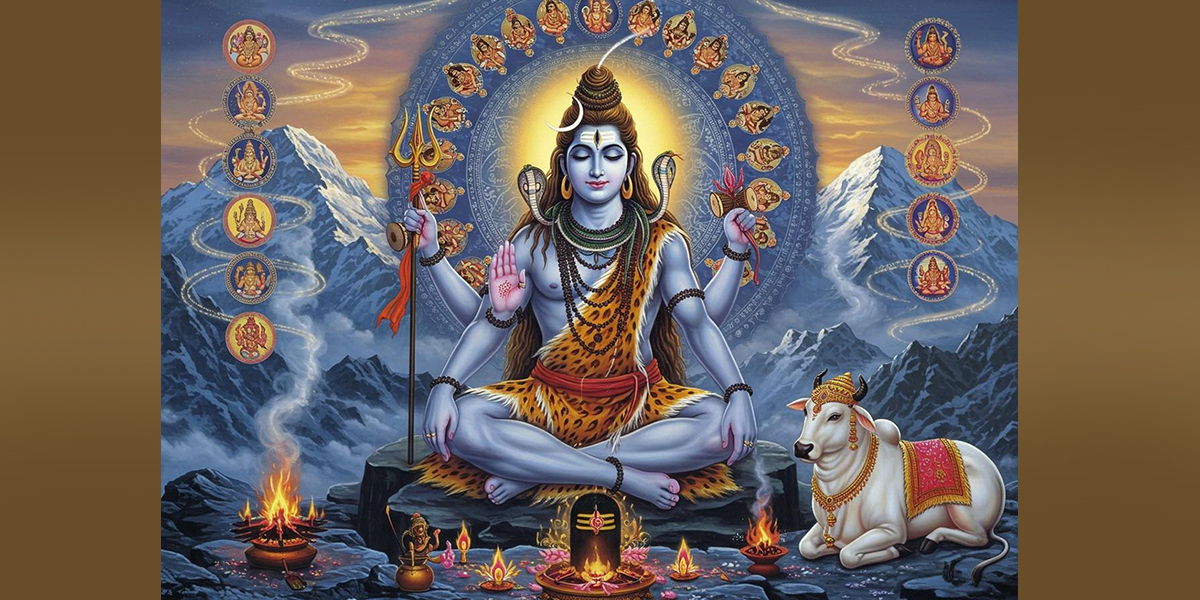
Chithirai Navaratri (Hindi: Chaitra Navaratri / Tamil: சித்திரை நவராத்திரி / Telugu: చైత్ర నవరాత్రి / Kannada: ಚೈತ್ರ ನವರಾತ್ರಿ / Malayalam: ചൈത്ര നവരാത്രി) 2026 is an important Hindu festival celebrated over nine days. The festivities begin from the 'Pratipada' (1st day) till the 'Navami' (9th day) of the Shukla Paksha (bright fortnight) during the Hindu month of 'Chithirai' (Hindi: Chaitra / Tamil: சித்திரை / Telugu: చైత్ర / Kannada: ಚೈತ್ರ / Malayalam: ചൈത്ര). According to the Gregorian calendar, it falls during March-April. Chithirai Navaratri is also called 'Vasanta Navaratri' (Sanskrit: Navaratri / Hindi: Navratri) or 'Rama Navaratri' (Sanskrit: Navaratri / Hindi: Navratri), as the ninth day is celebrated as Lord Rama's birthday.

During this festival, devotees worship nine forms of Goddess Shakti over nine days. The rituals are categorized into three sets, each dedicated to a particular Goddess:

- Days 1–3: Maa Durga, Goddess of Energy
- Days 4–6: Maa Lakshmi, Goddess of Wealth
- Days 7–9: Maa Saraswati, Goddess of Knowledge

Daily Rituals of Chithirai Navaratri 2026:

- Day 1 – Pratipada – Rituals performed include 'Ghatasthapana' (devotees establish a sacred pot called ‘Ghata’ symbolizing Goddess Shakti in their home or puja altar. It is filled with water, holy grains, coins, and a coconut placed on top, representing creation, prosperity, and the presence of the Goddess. The pot is worshipped throughout Navaratri), 'Chandra Darshan' (devotees observe or offer prayers to the Moon (Chandra) during Navaratri. Gazing at the Moon with devotion is believed to bring mental peace, emotional balance, and spiritual clarity. Offerings such as white flowers, water, and fruits are made, and mantras or hymns dedicated to Chandra are recited. This ritual also symbolizes calmness and the soothing aspect of Goddess energy), and 'Shailaputri Puja'. Goddess Shailaputri, whose name is derived from the Sanskrit words Shaila (mountain) and Putri (daughter), refers to Goddess Shakti as the "Daughter of the Mountains or Himalayas" (Sanskrit: शैलपुत्री, IAST: Śailaputrī / Hindi: शैलपुत्री). She is worshipped for divine power, wisdom, and spiritual strength. This day emphasizes **Maa Durga’s energy**, representing the root of cosmic energy and the beginning of spiritual awakening, as Shailaputri is the first form of Shakti manifesting her protective and nurturing power.
- Day 2 – Dwitiya – Rituals performed include 'Sindhara Dooj' (on this day, married women apply sindoor (vermilion) on their foreheads or hair parting, perform prayers to Brahmacharini/Shakti, and seek marital bliss, family harmony, and devotion. Offerings of flowers, fruits, and sweets are made) and 'Brahmacharini Puja'. Goddess Brahmacharini, whose name is derived from the Sanskrit words Brahma (divine knowledge) and Charini (female practitioner), symbolizes penance, discipline, and devotion (Sanskrit: ब्रह्मचारिणी, IAST: Brahmacāriṇī / Hindi: ब्रह्मचारिणी). She is depicted as a serene, ascetic form of Shakti, holding a rosary (Japamala) in one hand and a water utensil (Kamandalu) in the other, representing unwavering spiritual practice and commitment to self-realization. This day continues Maa Durga’s energy, fostering inner strength, perseverance, and spiritual focus.
- Day 3 – Teej – Also called 'Gauri Teej' or 'Sauhagya Teej' (devotees worship Goddess Chandraghanta for courage and fearlessness. Women often perform fasts, decorate the puja area with flowers, offer milk, fruits, and sweets, and recite Chandraghanta mantras for protection and well-being), with the main ritual being 'Chandraghanta Puja'. Goddess Chandraghanta, whose name combines Chandra (moon) and Ghanta (bell), is worshipped for courage, bravery, and removal of fears (Sanskrit: चंद्रघंटा, IAST: Candraghaṇṭā / Hindi: चंद्रघंटा). The crescent moon on her forehead resembles a bell. She is a fierce yet compassionate form of Shakti, helping devotees overcome obstacles and negativity. This day continues Maa Durga’s energy, highlighting valor, protection, and the warrior aspect of Shakti.
- Day 4 – Chaturthi – Also known as 'Varad Vinayaka Chauth' (associated with Goddess Kushmanda, devotees light lamps, chant her mantras, and offer flowers, fruits, and sweets. They pray for cosmic energy, health, wealth, and removal of obstacles in personal and spiritual life), the main puja is 'Kushmanda Puja'. Goddess Kushmanda, whose name comes from Ku (little), Ushma (warmth/energy), and Anda (cosmic egg), is believed to energize the universe and grant health, wealth, and prosperity (Sanskrit: कुश्मांडा, IAST: Kuśmāṇḍā / Hindi: कुश्मांडा). She is depicted as a radiant goddess with eight arms, holding weapons, a rosary, and a pot of nectar, symbolizing her power to energize the cosmos. This day transitions into Maa Lakshmi’s energy, focusing on abundance, nourishment, and universal vitality as a manifestation of Shakti.
- Day 5 – Panchami – Also referred to as 'Lakshmi Panchami' (devotees perform Naga Puja to honor serpent deities for protection, fertility, and removal of Sarpa Dosha. In Skandamata Puja, they place a lion emblem, hold the image of Skanda child on their lap, offer flowers, fruits, and recite mantras to invoke happiness, prosperity, and children’s well-being). The main pujas are 'Naga Puja' (also known as Naag Puja), worship of serpent deities for protection from snake-related issues, fertility, prosperity, and removal of Sarpa Dosha (Sanskrit: नाग पूजा, IAST: Nāga Pūjā / Hindi: नाग पूजा), and 'Skandamata Puja', dedicated to the Mother of Skanda/Kartikeya (Sanskrit: स्कंदमाता, IAST: Skandamātā / Hindi: स्कंदमाता). Skandamata, whose name literally means “Mother of Skanda,” is depicted holding the infant Skanda on her lap while seated on a lion. She grants happiness, prosperity, and the well-being of children. Lord Skanda is also known as Murugan, Subramanya, or Kartikeya – the god of war and victory. These rituals emphasize Maa Lakshmi’s energy, focusing on wealth, familial prosperity, and nurturing qualities of Shakti.
- Day 6 – Shashthi – Known as 'Yamuna Chath' or 'Skanda Sasthi' (devotees worship Goddess Katyayani to gain strength, courage, and marital bliss. Fasting, chanting Katyayani mantras, and offering fruits, milk, or sweets are common practices to remove obstacles and negative energies), the main puja is 'Katyayani Puja'. Goddess Katyayani, named after the sage Katyayana who worshipped her, represents courage, power, and marital bliss (Sanskrit: कात्यायनी, IAST: Kātyāyanī / Hindi: कात्यायनी). She is a fierce form of Shakti, worshipped by devotees seeking strength and removal of negative influences in personal and domestic life. This day continues Maa Lakshmi’s energy, supporting personal empowerment, protection, and prosperity.
- Day 7 – Saptami – Celebrated as 'Maha Saptami' (during Kalratri Puja, devotees invoke her fierce form for protection from evil, remove fears, and overcome negativity. Offerings include red flowers, lamps, and recitation of Kalratri mantras for courage and spiritual fortitude), the main puja is 'Kalratri Puja'. Kalratri, one of the nine fierce forms of Goddess Durga, whose name combines Kala (time/death) and Ratri (night), is worshipped for protection from all forms of negativity, fearlessness, and courage to overcome difficulties (Sanskrit: कालरात्रि, IAST: Kālratri / Hindi: कालरात्रि). She is depicted with a dark complexion, wild hair, holding a sword, and riding a donkey. This day shifts to Maa Saraswati’s energy, highlighting wisdom, discernment, and spiritual knowledge while maintaining the fierce aspect of Shakti.
- Day 8 – Ashtami – Main day of 'Durga Ashtami', also called 'Annapurna Ashtami', with main pujas: 'Sandhi Puja' (performed at the juncture of Ashtami and Navami, devotees offer milk, water, flowers, and chant mantras to receive divine protection, blessings, and spiritual upliftment) and 'Mahagauri Puja'. Goddess Mahagauri, whose name means “extremely white or pure,” represents purity, devotion, serenity, and forgiveness (Sanskrit: महागौरी, IAST: Mahāgaurī / Hindi: महागौरी). This day continues Maa Saraswati’s energy, emphasizing wisdom, knowledge, and spiritual enlightenment as a form of Shakti.
- Day 9 – Navami – Observed as 'Rama Navami' (on this day, devotees worship Goddess Siddhidatri, observe fasts, recite Rama and Siddhidatri mantras, and perform special prayers to achieve spiritual and material Siddhis. Offerings of fruits, flowers, and sweets are made, and devotees seek divine blessings for completion of spiritual goals), with the main puja being 'Siddhidatri Maha Puja'. Goddess Siddhidatri, whose name means “Giver of all Perfections,” bestows spiritual and material Siddhis. She is worshipped to attain divine blessings, perfection, and accomplishment of desires (Sanskrit: सिद्धिदात्री, IAST: Siddhidātrī / Hindi: सिद्धिदात्री), symbolizing ultimate knowledge and completion of spiritual endeavors. This final day completes Maa Saraswati’s energy, representing wisdom, knowledge, and the ultimate manifestation of Shakti.

Important Timings for Chithirai Navaratri 2026 in Ujjain, India:

Sunrise: March 19, 6:35 AM
Sunset: March 19, 6:33 PM
Pratipada Tithi Timings: March 19, 06:53 AM - March 20, 04:52 AM
Abhijit Muhurtam: March 19, 12:10 PM - 12:58 PM
Ghatasthapana Muhurat: March 19, 06:35 AM - 10:35 AM

Step-by-Step Daily Routine (Logical & Detailed) for Devotees:

1. Early Morning: Wake up, clean the house, and prepare the puja altar. Offer flowers and light the diya (lamp).
2. Morning Puja: Perform daily rituals corresponding to the day of Navaratri. Chant mantras and recite prayers dedicated to the Goddess.
3. Fasting: Observe a satvik diet; avoid non-vegetarian food, onions, and garlic. Fruits, curd, potatoes, and kuttu ka aata are allowed.
4. Midday: Perform the main puja of the day during Abhijit Muhurat if possible. Offer sweets and traditional items like coconut, jaggery, and durva.
5. Afternoon: Meditate and read sacred texts or listen to devotional songs. Spend time in reflection and spiritual practices.
6. Evening: Light lamps, perform aarti, and recite evening prayers. Offer Naivedya (food offerings) to the Goddess.
7. Night: Conclude daily worship with gratitude and reflection. Prepare for the next day’s rituals and maintain discipline.

Timing Adjustments for Global Locations (Approximate, sync with Ujjain):

Malaysia/Singapore: Add approx. +2 hours ahead of Ujjain timings. Sunrise ~8:35 AM, Sunset ~8:33 PM.
New York, United States: Subtract approx. -9 hours behind Ujjain timings. Sunrise ~9:35 PM (previous day), Sunset ~9:33 AM (same day).

Significance: Chithirai Navaratri is celebrated to worship Maa Durga, Lakshmi, and Saraswati. It marks the onset of summer and is believed to purify the body, mind, and soul. Observing the fast and rituals without personal desires is said to grant spiritual progress and blessings from the Goddess.

Chithirai Navaratri (Hindi: Chaitra Navaratri) Festival Dates 2020–2030:

2025 – March 30
2026 – March 19
2027 – April 7
2028 – March 27
2029 – April 14
2030 – April 3

Chithirai Navaratri (Hindi: Chaitra Navaratri / Tamil: சித்திரை நவராத்திரி / Telugu: చైత్ర నవరాత్రి / Kannada: ಚೈತ್ರ ನವರಾತ್ರಿ / Malayalam: ചൈത്ര നവരാത്രി) 2026 is an important Hindu festival celebrated over nine days. The festivities begin from the 'Pratipada' (1st day) till the 'Navami' (9th day) of the Shukla Paksha (bright fortnight) during the Hindu month of 'Chithirai' (Hindi: Chaitra / Tamil: சித்திரை / Telugu: చైత్ర / Kannada: ಚೈತ್ರ / Malayalam: ചൈത്ര). According to the Gregorian calendar, it falls during March-April. Chithirai Navaratri is also called 'Vasanta Navaratri' (Sanskrit: Navaratri / Hindi: Navratri) or 'Rama Navaratri' (Sanskrit: Navaratri / Hindi: Navratri), as the ninth day is celebrated as Lord Rama's birthday.

During this festival, devotees worship nine forms of Goddess Shakti over nine days. The rituals are categorized into three sets, each dedicated to a particular Goddess:

- Days 1–3: Maa Durga, Goddess of Energy
- Days 4–6: Maa Lakshmi, Goddess of Wealth
- Days 7–9: Maa Saraswati, Goddess of Knowledge

Daily Rituals of Chithirai Navaratri 2026:

- Day 1 – Pratipada – Rituals performed include 'Ghatasthapana' (devotees establish a sacred pot called ‘Ghata’ symbolizing Goddess Shakti in their home or puja altar. It is filled with water, holy grains, coins, and a coconut placed on top, representing creation, prosperity, and the presence of the Goddess. The pot is worshipped throughout Navaratri), 'Chandra Darshan' (devotees observe or offer prayers to the Moon (Chandra) during Navaratri. Gazing at the Moon with devotion is believed to bring mental peace, emotional balance, and spiritual clarity. Offerings such as white flowers, water, and fruits are made, and mantras or hymns dedicated to Chandra are recited. This ritual also symbolizes calmness and the soothing aspect of Goddess energy), and 'Shailaputri Puja'. Goddess Shailaputri, whose name is derived from the Sanskrit words Shaila (mountain) and Putri (daughter), refers to Goddess Shakti as the "Daughter of the Mountains or Himalayas" (Sanskrit: शैलपुत्री, IAST: Śailaputrī / Hindi: शैलपुत्री). She is worshipped for divine power, wisdom, and spiritual strength. This day emphasizes **Maa Durga’s energy**, representing the root of cosmic energy and the beginning of spiritual awakening, as Shailaputri is the first form of Shakti manifesting her protective and nurturing power.
- Day 2 – Dwitiya – Rituals performed include 'Sindhara Dooj' (on this day, married women apply sindoor (vermilion) on their foreheads or hair parting, perform prayers to Brahmacharini/Shakti, and seek marital bliss, family harmony, and devotion. Offerings of flowers, fruits, and sweets are made) and 'Brahmacharini Puja'. Goddess Brahmacharini, whose name is derived from the Sanskrit words Brahma (divine knowledge) and Charini (female practitioner), symbolizes penance, discipline, and devotion (Sanskrit: ब्रह्मचारिणी, IAST: Brahmacāriṇī / Hindi: ब्रह्मचारिणी). She is depicted as a serene, ascetic form of Shakti, holding a rosary (Japamala) in one hand and a water utensil (Kamandalu) in the other, representing unwavering spiritual practice and commitment to self-realization. This day continues Maa Durga’s energy, fostering inner strength, perseverance, and spiritual focus.
- Day 3 – Teej – Also called 'Gauri Teej' or 'Sauhagya Teej' (devotees worship Goddess Chandraghanta for courage and fearlessness. Women often perform fasts, decorate the puja area with flowers, offer milk, fruits, and sweets, and recite Chandraghanta mantras for protection and well-being), with the main ritual being 'Chandraghanta Puja'. Goddess Chandraghanta, whose name combines Chandra (moon) and Ghanta (bell), is worshipped for courage, bravery, and removal of fears (Sanskrit: चंद्रघंटा, IAST: Candraghaṇṭā / Hindi: चंद्रघंटा). The crescent moon on her forehead resembles a bell. She is a fierce yet compassionate form of Shakti, helping devotees overcome obstacles and negativity. This day continues Maa Durga’s energy, highlighting valor, protection, and the warrior aspect of Shakti.
- Day 4 – Chaturthi – Also known as 'Varad Vinayaka Chauth' (associated with Goddess Kushmanda, devotees light lamps, chant her mantras, and offer flowers, fruits, and sweets. They pray for cosmic energy, health, wealth, and removal of obstacles in personal and spiritual life), the main puja is 'Kushmanda Puja'. Goddess Kushmanda, whose name comes from Ku (little), Ushma (warmth/energy), and Anda (cosmic egg), is believed to energize the universe and grant health, wealth, and prosperity (Sanskrit: कुश्मांडा, IAST: Kuśmāṇḍā / Hindi: कुश्मांडा). She is depicted as a radiant goddess with eight arms, holding weapons, a rosary, and a pot of nectar, symbolizing her power to energize the cosmos. This day transitions into Maa Lakshmi’s energy, focusing on abundance, nourishment, and universal vitality as a manifestation of Shakti.
- Day 5 – Panchami – Also referred to as 'Lakshmi Panchami' (devotees perform Naga Puja to honor serpent deities for protection, fertility, and removal of Sarpa Dosha. In Skandamata Puja, they place a lion emblem, hold the image of Skanda child on their lap, offer flowers, fruits, and recite mantras to invoke happiness, prosperity, and children’s well-being). The main pujas are 'Naga Puja' (also known as Naag Puja), worship of serpent deities for protection from snake-related issues, fertility, prosperity, and removal of Sarpa Dosha (Sanskrit: नाग पूजा, IAST: Nāga Pūjā / Hindi: नाग पूजा), and 'Skandamata Puja', dedicated to the Mother of Skanda/Kartikeya (Sanskrit: स्कंदमाता, IAST: Skandamātā / Hindi: स्कंदमाता). Skandamata, whose name literally means “Mother of Skanda,” is depicted holding the infant Skanda on her lap while seated on a lion. She grants happiness, prosperity, and the well-being of children. Lord Skanda is also known as Murugan, Subramanya, or Kartikeya – the god of war and victory. These rituals emphasize Maa Lakshmi’s energy, focusing on wealth, familial prosperity, and nurturing qualities of Shakti.
- Day 6 – Shashthi – Known as 'Yamuna Chath' or 'Skanda Sasthi' (devotees worship Goddess Katyayani to gain strength, courage, and marital bliss. Fasting, chanting Katyayani mantras, and offering fruits, milk, or sweets are common practices to remove obstacles and negative energies), the main puja is 'Katyayani Puja'. Goddess Katyayani, named after the sage Katyayana who worshipped her, represents courage, power, and marital bliss (Sanskrit: कात्यायनी, IAST: Kātyāyanī / Hindi: कात्यायनी). She is a fierce form of Shakti, worshipped by devotees seeking strength and removal of negative influences in personal and domestic life. This day continues Maa Lakshmi’s energy, supporting personal empowerment, protection, and prosperity.
- Day 7 – Saptami – Celebrated as 'Maha Saptami' (during Kalratri Puja, devotees invoke her fierce form for protection from evil, remove fears, and overcome negativity. Offerings include red flowers, lamps, and recitation of Kalratri mantras for courage and spiritual fortitude), the main puja is 'Kalratri Puja'. Kalratri, one of the nine fierce forms of Goddess Durga, whose name combines Kala (time/death) and Ratri (night), is worshipped for protection from all forms of negativity, fearlessness, and courage to overcome difficulties (Sanskrit: कालरात्रि, IAST: Kālratri / Hindi: कालरात्रि). She is depicted with a dark complexion, wild hair, holding a sword, and riding a donkey. This day shifts to Maa Saraswati’s energy, highlighting wisdom, discernment, and spiritual knowledge while maintaining the fierce aspect of Shakti.
- Day 8 – Ashtami – Main day of 'Durga Ashtami', also called 'Annapurna Ashtami', with main pujas: 'Sandhi Puja' (performed at the juncture of Ashtami and Navami, devotees offer milk, water, flowers, and chant mantras to receive divine protection, blessings, and spiritual upliftment) and 'Mahagauri Puja'. Goddess Mahagauri, whose name means “extremely white or pure,” represents purity, devotion, serenity, and forgiveness (Sanskrit: महागौरी, IAST: Mahāgaurī / Hindi: महागौरी). This day continues Maa Saraswati’s energy, emphasizing wisdom, knowledge, and spiritual enlightenment as a form of Shakti.
- Day 9 – Navami – Observed as 'Rama Navami' (on this day, devotees worship Goddess Siddhidatri, observe fasts, recite Rama and Siddhidatri mantras, and perform special prayers to achieve spiritual and material Siddhis. Offerings of fruits, flowers, and sweets are made, and devotees seek divine blessings for completion of spiritual goals), with the main puja being 'Siddhidatri Maha Puja'. Goddess Siddhidatri, whose name means “Giver of all Perfections,” bestows spiritual and material Siddhis. She is worshipped to attain divine blessings, perfection, and accomplishment of desires (Sanskrit: सिद्धिदात्री, IAST: Siddhidātrī / Hindi: सिद्धिदात्री), symbolizing ultimate knowledge and completion of spiritual endeavors. This final day completes Maa Saraswati’s energy, representing wisdom, knowledge, and the ultimate manifestation of Shakti.

Important Timings for Chithirai Navaratri 2026 in Ujjain, India:

Sunrise: March 19, 6:35 AM
Sunset: March 19, 6:33 PM
Pratipada Tithi Timings: March 19, 06:53 AM - March 20, 04:52 AM
Abhijit Muhurtam: March 19, 12:10 PM - 12:58 PM
Ghatasthapana Muhurat: March 19, 06:35 AM - 10:35 AM

Step-by-Step Daily Routine (Logical & Detailed) for Devotees:

1. Early Morning: Wake up, clean the house, and prepare the puja altar. Offer flowers and light the diya (lamp).
2. Morning Puja: Perform daily rituals corresponding to the day of Navaratri. Chant mantras and recite prayers dedicated to the Goddess.
3. Fasting: Observe a satvik diet; avoid non-vegetarian food, onions, and garlic. Fruits, curd, potatoes, and kuttu ka aata are allowed.
4. Midday: Perform the main puja of the day during Abhijit Muhurat if possible. Offer sweets and traditional items like coconut, jaggery, and durva.
5. Afternoon: Meditate and read sacred texts or listen to devotional songs. Spend time in reflection and spiritual practices.
6. Evening: Light lamps, perform aarti, and recite evening prayers. Offer Naivedya (food offerings) to the Goddess.
7. Night: Conclude daily worship with gratitude and reflection. Prepare for the next day’s rituals and maintain discipline.

Timing Adjustments for Global Locations (Approximate, sync with Ujjain):

Malaysia/Singapore: Add approx. +2 hours ahead of Ujjain timings. Sunrise ~8:35 AM, Sunset ~8:33 PM.
New York, United States: Subtract approx. -9 hours behind Ujjain timings. Sunrise ~9:35 PM (previous day), Sunset ~9:33 AM (same day).

Significance: Chithirai Navaratri is celebrated to worship Maa Durga, Lakshmi, and Saraswati. It marks the onset of summer and is believed to purify the body, mind, and soul. Observing the fast and rituals without personal desires is said to grant spiritual progress and blessings from the Goddess.

Chithirai Navaratri (Hindi: Chaitra Navaratri) Festival Dates 2020–2030:

2025 – March 30
2026 – March 19
2027 – April 7
2028 – March 27
2029 – April 14
2030 – April 3

Chithirai Navaratri (Hindi: Chaitra Navaratri / Tamil: சித்திரை நவராத்திரி / Telugu: చైత్ర నవరాత్రి / Kannada: ಚೈತ್ರ ನವರಾತ್ರಿ / Malayalam: ചൈത്ര നവരാത്രി) 2026 is an important Hindu festival celebrated over nine days. The festivities begin from the 'Pratipada' (1st day) till the 'Navami' (9th day) of the Shukla Paksha (bright fortnight) during the Hindu month of 'Chithirai' (Hindi: Chaitra / Tamil: சித்திரை / Telugu: చైత్ర / Kannada: ಚೈತ್ರ / Malayalam: ചൈത്ര). According to the Gregorian calendar, it falls during March-April. Chithirai Navaratri is also called 'Vasanta Navaratri' (Sanskrit: Navaratri / Hindi: Navratri) or 'Rama Navaratri' (Sanskrit: Navaratri / Hindi: Navratri), as the ninth day is celebrated as Lord Rama's birthday.

During this festival, devotees worship nine forms of Goddess Shakti over nine days. The rituals are categorized into three sets, each dedicated to a particular Goddess:

- Days 1–3: Maa Durga, Goddess of Energy
- Days 4–6: Maa Lakshmi, Goddess of Wealth
- Days 7–9: Maa Saraswati, Goddess of Knowledge

Daily Rituals of Chithirai Navaratri 2026:

- Day 1 – Pratipada – Rituals performed include 'Ghatasthapana' (devotees establish a sacred pot called ‘Ghata’ symbolizing Goddess Shakti in their home or puja altar. It is filled with water, holy grains, coins, and a coconut placed on top, representing creation, prosperity, and the presence of the Goddess. The pot is worshipped throughout Navaratri), 'Chandra Darshan' (devotees observe or offer prayers to the Moon (Chandra) during Navaratri. Gazing at the Moon with devotion is believed to bring mental peace, emotional balance, and spiritual clarity. Offerings such as white flowers, water, and fruits are made, and mantras or hymns dedicated to Chandra are recited. This ritual also symbolizes calmness and the soothing aspect of Goddess energy), and 'Shailaputri Puja'. Goddess Shailaputri, whose name is derived from the Sanskrit words Shaila (mountain) and Putri (daughter), refers to Goddess Shakti as the "Daughter of the Mountains or Himalayas" (Sanskrit: शैलपुत्री, IAST: Śailaputrī / Hindi: शैलपुत्री). She is worshipped for divine power, wisdom, and spiritual strength. This day emphasizes **Maa Durga’s energy**, representing the root of cosmic energy and the beginning of spiritual awakening, as Shailaputri is the first form of Shakti manifesting her protective and nurturing power.
- Day 2 – Dwitiya – Rituals performed include 'Sindhara Dooj' (on this day, married women apply sindoor (vermilion) on their foreheads or hair parting, perform prayers to Brahmacharini/Shakti, and seek marital bliss, family harmony, and devotion. Offerings of flowers, fruits, and sweets are made) and 'Brahmacharini Puja'. Goddess Brahmacharini, whose name is derived from the Sanskrit words Brahma (divine knowledge) and Charini (female practitioner), symbolizes penance, discipline, and devotion (Sanskrit: ब्रह्मचारिणी, IAST: Brahmacāriṇī / Hindi: ब्रह्मचारिणी). She is depicted as a serene, ascetic form of Shakti, holding a rosary (Japamala) in one hand and a water utensil (Kamandalu) in the other, representing unwavering spiritual practice and commitment to self-realization. This day continues Maa Durga’s energy, fostering inner strength, perseverance, and spiritual focus.
- Day 3 – Teej – Also called 'Gauri Teej' or 'Sauhagya Teej' (devotees worship Goddess Chandraghanta for courage and fearlessness. Women often perform fasts, decorate the puja area with flowers, offer milk, fruits, and sweets, and recite Chandraghanta mantras for protection and well-being), with the main ritual being 'Chandraghanta Puja'. Goddess Chandraghanta, whose name combines Chandra (moon) and Ghanta (bell), is worshipped for courage, bravery, and removal of fears (Sanskrit: चंद्रघंटा, IAST: Candraghaṇṭā / Hindi: चंद्रघंटा). The crescent moon on her forehead resembles a bell. She is a fierce yet compassionate form of Shakti, helping devotees overcome obstacles and negativity. This day continues Maa Durga’s energy, highlighting valor, protection, and the warrior aspect of Shakti.
- Day 4 – Chaturthi – Also known as 'Varad Vinayaka Chauth' (associated with Goddess Kushmanda, devotees light lamps, chant her mantras, and offer flowers, fruits, and sweets. They pray for cosmic energy, health, wealth, and removal of obstacles in personal and spiritual life), the main puja is 'Kushmanda Puja'. Goddess Kushmanda, whose name comes from Ku (little), Ushma (warmth/energy), and Anda (cosmic egg), is believed to energize the universe and grant health, wealth, and prosperity (Sanskrit: कुश्मांडा, IAST: Kuśmāṇḍā / Hindi: कुश्मांडा). She is depicted as a radiant goddess with eight arms, holding weapons, a rosary, and a pot of nectar, symbolizing her power to energize the cosmos. This day transitions into Maa Lakshmi’s energy, focusing on abundance, nourishment, and universal vitality as a manifestation of Shakti.
- Day 5 – Panchami – Also referred to as 'Lakshmi Panchami' (devotees perform Naga Puja to honor serpent deities for protection, fertility, and removal of Sarpa Dosha. In Skandamata Puja, they place a lion emblem, hold the image of Skanda child on their lap, offer flowers, fruits, and recite mantras to invoke happiness, prosperity, and children’s well-being). The main pujas are 'Naga Puja' (also known as Naag Puja), worship of serpent deities for protection from snake-related issues, fertility, prosperity, and removal of Sarpa Dosha (Sanskrit: नाग पूजा, IAST: Nāga Pūjā / Hindi: नाग पूजा), and 'Skandamata Puja', dedicated to the Mother of Skanda/Kartikeya (Sanskrit: स्कंदमाता, IAST: Skandamātā / Hindi: स्कंदमाता). Skandamata, whose name literally means “Mother of Skanda,” is depicted holding the infant Skanda on her lap while seated on a lion. She grants happiness, prosperity, and the well-being of children. Lord Skanda is also known as Murugan, Subramanya, or Kartikeya – the god of war and victory. These rituals emphasize Maa Lakshmi’s energy, focusing on wealth, familial prosperity, and nurturing qualities of Shakti.
- Day 6 – Shashthi – Known as 'Yamuna Chath' or 'Skanda Sasthi' (devotees worship Goddess Katyayani to gain strength, courage, and marital bliss. Fasting, chanting Katyayani mantras, and offering fruits, milk, or sweets are common practices to remove obstacles and negative energies), the main puja is 'Katyayani Puja'. Goddess Katyayani, named after the sage Katyayana who worshipped her, represents courage, power, and marital bliss (Sanskrit: कात्यायनी, IAST: Kātyāyanī / Hindi: कात्यायनी). She is a fierce form of Shakti, worshipped by devotees seeking strength and removal of negative influences in personal and domestic life. This day continues Maa Lakshmi’s energy, supporting personal empowerment, protection, and prosperity.
- Day 7 – Saptami – Celebrated as 'Maha Saptami' (during Kalratri Puja, devotees invoke her fierce form for protection from evil, remove fears, and overcome negativity. Offerings include red flowers, lamps, and recitation of Kalratri mantras for courage and spiritual fortitude), the main puja is 'Kalratri Puja'. Kalratri, one of the nine fierce forms of Goddess Durga, whose name combines Kala (time/death) and Ratri (night), is worshipped for protection from all forms of negativity, fearlessness, and courage to overcome difficulties (Sanskrit: कालरात्रि, IAST: Kālratri / Hindi: कालरात्रि). She is depicted with a dark complexion, wild hair, holding a sword, and riding a donkey. This day shifts to Maa Saraswati’s energy, highlighting wisdom, discernment, and spiritual knowledge while maintaining the fierce aspect of Shakti.
- Day 8 – Ashtami – Main day of 'Durga Ashtami', also called 'Annapurna Ashtami', with main pujas: 'Sandhi Puja' (performed at the juncture of Ashtami and Navami, devotees offer milk, water, flowers, and chant mantras to receive divine protection, blessings, and spiritual upliftment) and 'Mahagauri Puja'. Goddess Mahagauri, whose name means “extremely white or pure,” represents purity, devotion, serenity, and forgiveness (Sanskrit: महागौरी, IAST: Mahāgaurī / Hindi: महागौरी). This day continues Maa Saraswati’s energy, emphasizing wisdom, knowledge, and spiritual enlightenment as a form of Shakti.
- Day 9 – Navami – Observed as 'Rama Navami' (on this day, devotees worship Goddess Siddhidatri, observe fasts, recite Rama and Siddhidatri mantras, and perform special prayers to achieve spiritual and material Siddhis. Offerings of fruits, flowers, and sweets are made, and devotees seek divine blessings for completion of spiritual goals), with the main puja being 'Siddhidatri Maha Puja'. Goddess Siddhidatri, whose name means “Giver of all Perfections,” bestows spiritual and material Siddhis. She is worshipped to attain divine blessings, perfection, and accomplishment of desires (Sanskrit: सिद्धिदात्री, IAST: Siddhidātrī / Hindi: सिद्धिदात्री), symbolizing ultimate knowledge and completion of spiritual endeavors. This final day completes Maa Saraswati’s energy, representing wisdom, knowledge, and the ultimate manifestation of Shakti.

Important Timings for Chithirai Navaratri 2026 in Ujjain, India:

Sunrise: March 19, 6:35 AM
Sunset: March 19, 6:33 PM
Pratipada Tithi Timings: March 19, 06:53 AM - March 20, 04:52 AM
Abhijit Muhurtam: March 19, 12:10 PM - 12:58 PM
Ghatasthapana Muhurat: March 19, 06:35 AM - 10:35 AM

Step-by-Step Daily Routine (Logical & Detailed) for Devotees:

1. Early Morning: Wake up, clean the house, and prepare the puja altar. Offer flowers and light the diya (lamp).
2. Morning Puja: Perform daily rituals corresponding to the day of Navaratri. Chant mantras and recite prayers dedicated to the Goddess.
3. Fasting: Observe a satvik diet; avoid non-vegetarian food, onions, and garlic. Fruits, curd, potatoes, and kuttu ka aata are allowed.
4. Midday: Perform the main puja of the day during Abhijit Muhurat if possible. Offer sweets and traditional items like coconut, jaggery, and durva.
5. Afternoon: Meditate and read sacred texts or listen to devotional songs. Spend time in reflection and spiritual practices.
6. Evening: Light lamps, perform aarti, and recite evening prayers. Offer Naivedya (food offerings) to the Goddess.
7. Night: Conclude daily worship with gratitude and reflection. Prepare for the next day’s rituals and maintain discipline.

Timing Adjustments for Global Locations (Approximate, sync with Ujjain):

Malaysia/Singapore: Add approx. +2 hours ahead of Ujjain timings. Sunrise ~8:35 AM, Sunset ~8:33 PM.
New York, United States: Subtract approx. -9 hours behind Ujjain timings. Sunrise ~9:35 PM (previous day), Sunset ~9:33 AM (same day).

Significance: Chithirai Navaratri is celebrated to worship Maa Durga, Lakshmi, and Saraswati. It marks the onset of summer and is believed to purify the body, mind, and soul. Observing the fast and rituals without personal desires is said to grant spiritual progress and blessings from the Goddess.

Chithirai Navaratri (Hindi: Chaitra Navaratri) Festival Dates 2020–2030:

2025 – March 30
2026 – March 19
2027 – April 7
2028 – March 27
2029 – April 14
2030 – April 3

Chithirai Navaratri (Hindi: Chaitra Navaratri / Tamil: சித்திரை நவராத்திரி / Telugu: చైత్ర నవరాత్రి / Kannada: ಚೈತ್ರ ನವರಾತ್ರಿ / Malayalam: ചൈത്ര നവരാത്രി) 2026 is an important Hindu festival celebrated over nine days. The festivities begin from the 'Pratipada' (1st day) till the 'Navami' (9th day) of the Shukla Paksha (bright fortnight) during the Hindu month of 'Chithirai' (Hindi: Chaitra / Tamil: சித்திரை / Telugu: చైత్ర / Kannada: ಚೈತ್ರ / Malayalam: ചൈത്ര). According to the Gregorian calendar, it falls during March-April. Chithirai Navaratri is also called 'Vasanta Navaratri' (Sanskrit: Navaratri / Hindi: Navratri) or 'Rama Navaratri' (Sanskrit: Navaratri / Hindi: Navratri), as the ninth day is celebrated as Lord Rama's birthday.

During this festival, devotees worship nine forms of Goddess Shakti over nine days. The rituals are categorized into three sets, each dedicated to a particular Goddess:

- Days 1–3: Maa Durga, Goddess of Energy
- Days 4–6: Maa Lakshmi, Goddess of Wealth
- Days 7–9: Maa Saraswati, Goddess of Knowledge

Daily Rituals of Chithirai Navaratri 2026:

- Day 1 – Pratipada – Rituals performed include 'Ghatasthapana' (devotees establish a sacred pot called ‘Ghata’ symbolizing Goddess Shakti in their home or puja altar. It is filled with water, holy grains, coins, and a coconut placed on top, representing creation, prosperity, and the presence of the Goddess. The pot is worshipped throughout Navaratri), 'Chandra Darshan' (devotees observe or offer prayers to the Moon (Chandra) during Navaratri. Gazing at the Moon with devotion is believed to bring mental peace, emotional balance, and spiritual clarity. Offerings such as white flowers, water, and fruits are made, and mantras or hymns dedicated to Chandra are recited. This ritual also symbolizes calmness and the soothing aspect of Goddess energy), and 'Shailaputri Puja'. Goddess Shailaputri, whose name is derived from the Sanskrit words Shaila (mountain) and Putri (daughter), refers to Goddess Shakti as the "Daughter of the Mountains or Himalayas" (Sanskrit: शैलपुत्री, IAST: Śailaputrī / Hindi: शैलपुत्री). She is worshipped for divine power, wisdom, and spiritual strength. This day emphasizes **Maa Durga’s energy**, representing the root of cosmic energy and the beginning of spiritual awakening, as Shailaputri is the first form of Shakti manifesting her protective and nurturing power.
- Day 2 – Dwitiya – Rituals performed include 'Sindhara Dooj' (on this day, married women apply sindoor (vermilion) on their foreheads or hair parting, perform prayers to Brahmacharini/Shakti, and seek marital bliss, family harmony, and devotion. Offerings of flowers, fruits, and sweets are made) and 'Brahmacharini Puja'. Goddess Brahmacharini, whose name is derived from the Sanskrit words Brahma (divine knowledge) and Charini (female practitioner), symbolizes penance, discipline, and devotion (Sanskrit: ब्रह्मचारिणी, IAST: Brahmacāriṇī / Hindi: ब्रह्मचारिणी). She is depicted as a serene, ascetic form of Shakti, holding a rosary (Japamala) in one hand and a water utensil (Kamandalu) in the other, representing unwavering spiritual practice and commitment to self-realization. This day continues Maa Durga’s energy, fostering inner strength, perseverance, and spiritual focus.
- Day 3 – Teej – Also called 'Gauri Teej' or 'Sauhagya Teej' (devotees worship Goddess Chandraghanta for courage and fearlessness. Women often perform fasts, decorate the puja area with flowers, offer milk, fruits, and sweets, and recite Chandraghanta mantras for protection and well-being), with the main ritual being 'Chandraghanta Puja'. Goddess Chandraghanta, whose name combines Chandra (moon) and Ghanta (bell), is worshipped for courage, bravery, and removal of fears (Sanskrit: चंद्रघंटा, IAST: Candraghaṇṭā / Hindi: चंद्रघंटा). The crescent moon on her forehead resembles a bell. She is a fierce yet compassionate form of Shakti, helping devotees overcome obstacles and negativity. This day continues Maa Durga’s energy, highlighting valor, protection, and the warrior aspect of Shakti.
- Day 4 – Chaturthi – Also known as 'Varad Vinayaka Chauth' (associated with Goddess Kushmanda, devotees light lamps, chant her mantras, and offer flowers, fruits, and sweets. They pray for cosmic energy, health, wealth, and removal of obstacles in personal and spiritual life), the main puja is 'Kushmanda Puja'. Goddess Kushmanda, whose name comes from Ku (little), Ushma (warmth/energy), and Anda (cosmic egg), is believed to energize the universe and grant health, wealth, and prosperity (Sanskrit: कुश्मांडा, IAST: Kuśmāṇḍā / Hindi: कुश्मांडा). She is depicted as a radiant goddess with eight arms, holding weapons, a rosary, and a pot of nectar, symbolizing her power to energize the cosmos. This day transitions into Maa Lakshmi’s energy, focusing on abundance, nourishment, and universal vitality as a manifestation of Shakti.
- Day 5 – Panchami – Also referred to as 'Lakshmi Panchami' (devotees perform Naga Puja to honor serpent deities for protection, fertility, and removal of Sarpa Dosha. In Skandamata Puja, they place a lion emblem, hold the image of Skanda child on their lap, offer flowers, fruits, and recite mantras to invoke happiness, prosperity, and children’s well-being). The main pujas are 'Naga Puja' (also known as Naag Puja), worship of serpent deities for protection from snake-related issues, fertility, prosperity, and removal of Sarpa Dosha (Sanskrit: नाग पूजा, IAST: Nāga Pūjā / Hindi: नाग पूजा), and 'Skandamata Puja', dedicated to the Mother of Skanda/Kartikeya (Sanskrit: स्कंदमाता, IAST: Skandamātā / Hindi: स्कंदमाता). Skandamata, whose name literally means “Mother of Skanda,” is depicted holding the infant Skanda on her lap while seated on a lion. She grants happiness, prosperity, and the well-being of children. Lord Skanda is also known as Murugan, Subramanya, or Kartikeya – the god of war and victory. These rituals emphasize Maa Lakshmi’s energy, focusing on wealth, familial prosperity, and nurturing qualities of Shakti.
- Day 6 – Shashthi – Known as 'Yamuna Chath' or 'Skanda Sasthi' (devotees worship Goddess Katyayani to gain strength, courage, and marital bliss. Fasting, chanting Katyayani mantras, and offering fruits, milk, or sweets are common practices to remove obstacles and negative energies), the main puja is 'Katyayani Puja'. Goddess Katyayani, named after the sage Katyayana who worshipped her, represents courage, power, and marital bliss (Sanskrit: कात्यायनी, IAST: Kātyāyanī / Hindi: कात्यायनी). She is a fierce form of Shakti, worshipped by devotees seeking strength and removal of negative influences in personal and domestic life. This day continues Maa Lakshmi’s energy, supporting personal empowerment, protection, and prosperity.
- Day 7 – Saptami – Celebrated as 'Maha Saptami' (during Kalratri Puja, devotees invoke her fierce form for protection from evil, remove fears, and overcome negativity. Offerings include red flowers, lamps, and recitation of Kalratri mantras for courage and spiritual fortitude), the main puja is 'Kalratri Puja'. Kalratri, one of the nine fierce forms of Goddess Durga, whose name combines Kala (time/death) and Ratri (night), is worshipped for protection from all forms of negativity, fearlessness, and courage to overcome difficulties (Sanskrit: कालरात्रि, IAST: Kālratri / Hindi: कालरात्रि). She is depicted with a dark complexion, wild hair, holding a sword, and riding a donkey. This day shifts to Maa Saraswati’s energy, highlighting wisdom, discernment, and spiritual knowledge while maintaining the fierce aspect of Shakti.
- Day 8 – Ashtami – Main day of 'Durga Ashtami', also called 'Annapurna Ashtami', with main pujas: 'Sandhi Puja' (performed at the juncture of Ashtami and Navami, devotees offer milk, water, flowers, and chant mantras to receive divine protection, blessings, and spiritual upliftment) and 'Mahagauri Puja'. Goddess Mahagauri, whose name means “extremely white or pure,” represents purity, devotion, serenity, and forgiveness (Sanskrit: महागौरी, IAST: Mahāgaurī / Hindi: महागौरी). This day continues Maa Saraswati’s energy, emphasizing wisdom, knowledge, and spiritual enlightenment as a form of Shakti.
- Day 9 – Navami – Observed as 'Rama Navami' (on this day, devotees worship Goddess Siddhidatri, observe fasts, recite Rama and Siddhidatri mantras, and perform special prayers to achieve spiritual and material Siddhis. Offerings of fruits, flowers, and sweets are made, and devotees seek divine blessings for completion of spiritual goals), with the main puja being 'Siddhidatri Maha Puja'. Goddess Siddhidatri, whose name means “Giver of all Perfections,” bestows spiritual and material Siddhis. She is worshipped to attain divine blessings, perfection, and accomplishment of desires (Sanskrit: सिद्धिदात्री, IAST: Siddhidātrī / Hindi: सिद्धिदात्री), symbolizing ultimate knowledge and completion of spiritual endeavors. This final day completes Maa Saraswati’s energy, representing wisdom, knowledge, and the ultimate manifestation of Shakti.

Important Timings for Chithirai Navaratri 2026 in Ujjain, India:

Sunrise: March 19, 6:35 AM
Sunset: March 19, 6:33 PM
Pratipada Tithi Timings: March 19, 06:53 AM - March 20, 04:52 AM
Abhijit Muhurtam: March 19, 12:10 PM - 12:58 PM
Ghatasthapana Muhurat: March 19, 06:35 AM - 10:35 AM

Step-by-Step Daily Routine (Logical & Detailed) for Devotees:

1. Early Morning: Wake up, clean the house, and prepare the puja altar. Offer flowers and light the diya (lamp).
2. Morning Puja: Perform daily rituals corresponding to the day of Navaratri. Chant mantras and recite prayers dedicated to the Goddess.
3. Fasting: Observe a satvik diet; avoid non-vegetarian food, onions, and garlic. Fruits, curd, potatoes, and kuttu ka aata are allowed.
4. Midday: Perform the main puja of the day during Abhijit Muhurat if possible. Offer sweets and traditional items like coconut, jaggery, and durva.
5. Afternoon: Meditate and read sacred texts or listen to devotional songs. Spend time in reflection and spiritual practices.
6. Evening: Light lamps, perform aarti, and recite evening prayers. Offer Naivedya (food offerings) to the Goddess.
7. Night: Conclude daily worship with gratitude and reflection. Prepare for the next day’s rituals and maintain discipline.

Timing Adjustments for Global Locations (Approximate, sync with Ujjain):

Malaysia/Singapore: Add approx. +2 hours ahead of Ujjain timings. Sunrise ~8:35 AM, Sunset ~8:33 PM.
New York, United States: Subtract approx. -9 hours behind Ujjain timings. Sunrise ~9:35 PM (previous day), Sunset ~9:33 AM (same day).

Significance: Chithirai Navaratri is celebrated to worship Maa Durga, Lakshmi, and Saraswati. It marks the onset of summer and is believed to purify the body, mind, and soul. Observing the fast and rituals without personal desires is said to grant spiritual progress and blessings from the Goddess.

Chithirai Navaratri (Hindi: Chaitra Navaratri) Festival Dates 2020–2030:

2025 – March 30
2026 – March 19
2027 – April 7
2028 – March 27
2029 – April 14
2030 – April 3

Chithirai Navaratri (Hindi: Chaitra Navaratri / Tamil: சித்திரை நவராத்திரி / Telugu: చైత్ర నవరాత్రి / Kannada: ಚೈತ್ರ ನವರಾತ್ರಿ / Malayalam: ചൈത്ര നവരാത്രി) 2026 is an important Hindu festival celebrated over nine days. The festivities begin from the 'Pratipada' (1st day) till the 'Navami' (9th day) of the Shukla Paksha (bright fortnight) during the Hindu month of 'Chithirai' (Hindi: Chaitra / Tamil: சித்திரை / Telugu: చైత్ర / Kannada: ಚೈತ್ರ / Malayalam: ചൈത്ര). According to the Gregorian calendar, it falls during March-April. Chithirai Navaratri is also called 'Vasanta Navaratri' (Sanskrit: Navaratri / Hindi: Navratri) or 'Rama Navaratri' (Sanskrit: Navaratri / Hindi: Navratri), as the ninth day is celebrated as Lord Rama's birthday.

During this festival, devotees worship nine forms of Goddess Shakti over nine days. The rituals are categorized into three sets, each dedicated to a particular Goddess:

- Days 1–3: Maa Durga, Goddess of Energy
- Days 4–6: Maa Lakshmi, Goddess of Wealth
- Days 7–9: Maa Saraswati, Goddess of Knowledge

Daily Rituals of Chithirai Navaratri 2026:

- Day 1 – Pratipada – Rituals performed include 'Ghatasthapana' (devotees establish a sacred pot called ‘Ghata’ symbolizing Goddess Shakti in their home or puja altar. It is filled with water, holy grains, coins, and a coconut placed on top, representing creation, prosperity, and the presence of the Goddess. The pot is worshipped throughout Navaratri), 'Chandra Darshan' (devotees observe or offer prayers to the Moon (Chandra) during Navaratri. Gazing at the Moon with devotion is believed to bring mental peace, emotional balance, and spiritual clarity. Offerings such as white flowers, water, and fruits are made, and mantras or hymns dedicated to Chandra are recited. This ritual also symbolizes calmness and the soothing aspect of Goddess energy), and 'Shailaputri Puja'. Goddess Shailaputri, whose name is derived from the Sanskrit words Shaila (mountain) and Putri (daughter), refers to Goddess Shakti as the "Daughter of the Mountains or Himalayas" (Sanskrit: शैलपुत्री, IAST: Śailaputrī / Hindi: शैलपुत्री). She is worshipped for divine power, wisdom, and spiritual strength. This day emphasizes **Maa Durga’s energy**, representing the root of cosmic energy and the beginning of spiritual awakening, as Shailaputri is the first form of Shakti manifesting her protective and nurturing power.
- Day 2 – Dwitiya – Rituals performed include 'Sindhara Dooj' (on this day, married women apply sindoor (vermilion) on their foreheads or hair parting, perform prayers to Brahmacharini/Shakti, and seek marital bliss, family harmony, and devotion. Offerings of flowers, fruits, and sweets are made) and 'Brahmacharini Puja'. Goddess Brahmacharini, whose name is derived from the Sanskrit words Brahma (divine knowledge) and Charini (female practitioner), symbolizes penance, discipline, and devotion (Sanskrit: ब्रह्मचारिणी, IAST: Brahmacāriṇī / Hindi: ब्रह्मचारिणी). She is depicted as a serene, ascetic form of Shakti, holding a rosary (Japamala) in one hand and a water utensil (Kamandalu) in the other, representing unwavering spiritual practice and commitment to self-realization. This day continues Maa Durga’s energy, fostering inner strength, perseverance, and spiritual focus.
- Day 3 – Teej – Also called 'Gauri Teej' or 'Sauhagya Teej' (devotees worship Goddess Chandraghanta for courage and fearlessness. Women often perform fasts, decorate the puja area with flowers, offer milk, fruits, and sweets, and recite Chandraghanta mantras for protection and well-being), with the main ritual being 'Chandraghanta Puja'. Goddess Chandraghanta, whose name combines Chandra (moon) and Ghanta (bell), is worshipped for courage, bravery, and removal of fears (Sanskrit: चंद्रघंटा, IAST: Candraghaṇṭā / Hindi: चंद्रघंटा). The crescent moon on her forehead resembles a bell. She is a fierce yet compassionate form of Shakti, helping devotees overcome obstacles and negativity. This day continues Maa Durga’s energy, highlighting valor, protection, and the warrior aspect of Shakti.
- Day 4 – Chaturthi – Also known as 'Varad Vinayaka Chauth' (associated with Goddess Kushmanda, devotees light lamps, chant her mantras, and offer flowers, fruits, and sweets. They pray for cosmic energy, health, wealth, and removal of obstacles in personal and spiritual life), the main puja is 'Kushmanda Puja'. Goddess Kushmanda, whose name comes from Ku (little), Ushma (warmth/energy), and Anda (cosmic egg), is believed to energize the universe and grant health, wealth, and prosperity (Sanskrit: कुश्मांडा, IAST: Kuśmāṇḍā / Hindi: कुश्मांडा). She is depicted as a radiant goddess with eight arms, holding weapons, a rosary, and a pot of nectar, symbolizing her power to energize the cosmos. This day transitions into Maa Lakshmi’s energy, focusing on abundance, nourishment, and universal vitality as a manifestation of Shakti.
- Day 5 – Panchami – Also referred to as 'Lakshmi Panchami' (devotees perform Naga Puja to honor serpent deities for protection, fertility, and removal of Sarpa Dosha. In Skandamata Puja, they place a lion emblem, hold the image of Skanda child on their lap, offer flowers, fruits, and recite mantras to invoke happiness, prosperity, and children’s well-being). The main pujas are 'Naga Puja' (also known as Naag Puja), worship of serpent deities for protection from snake-related issues, fertility, prosperity, and removal of Sarpa Dosha (Sanskrit: नाग पूजा, IAST: Nāga Pūjā / Hindi: नाग पूजा), and 'Skandamata Puja', dedicated to the Mother of Skanda/Kartikeya (Sanskrit: स्कंदमाता, IAST: Skandamātā / Hindi: स्कंदमाता). Skandamata, whose name literally means “Mother of Skanda,” is depicted holding the infant Skanda on her lap while seated on a lion. She grants happiness, prosperity, and the well-being of children. Lord Skanda is also known as Murugan, Subramanya, or Kartikeya – the god of war and victory. These rituals emphasize Maa Lakshmi’s energy, focusing on wealth, familial prosperity, and nurturing qualities of Shakti.
- Day 6 – Shashthi – Known as 'Yamuna Chath' or 'Skanda Sasthi' (devotees worship Goddess Katyayani to gain strength, courage, and marital bliss. Fasting, chanting Katyayani mantras, and offering fruits, milk, or sweets are common practices to remove obstacles and negative energies), the main puja is 'Katyayani Puja'. Goddess Katyayani, named after the sage Katyayana who worshipped her, represents courage, power, and marital bliss (Sanskrit: कात्यायनी, IAST: Kātyāyanī / Hindi: कात्यायनी). She is a fierce form of Shakti, worshipped by devotees seeking strength and removal of negative influences in personal and domestic life. This day continues Maa Lakshmi’s energy, supporting personal empowerment, protection, and prosperity.
- Day 7 – Saptami – Celebrated as 'Maha Saptami' (during Kalratri Puja, devotees invoke her fierce form for protection from evil, remove fears, and overcome negativity. Offerings include red flowers, lamps, and recitation of Kalratri mantras for courage and spiritual fortitude), the main puja is 'Kalratri Puja'. Kalratri, one of the nine fierce forms of Goddess Durga, whose name combines Kala (time/death) and Ratri (night), is worshipped for protection from all forms of negativity, fearlessness, and courage to overcome difficulties (Sanskrit: कालरात्रि, IAST: Kālratri / Hindi: कालरात्रि). She is depicted with a dark complexion, wild hair, holding a sword, and riding a donkey. This day shifts to Maa Saraswati’s energy, highlighting wisdom, discernment, and spiritual knowledge while maintaining the fierce aspect of Shakti.
- Day 8 – Ashtami – Main day of 'Durga Ashtami', also called 'Annapurna Ashtami', with main pujas: 'Sandhi Puja' (performed at the juncture of Ashtami and Navami, devotees offer milk, water, flowers, and chant mantras to receive divine protection, blessings, and spiritual upliftment) and 'Mahagauri Puja'. Goddess Mahagauri, whose name means “extremely white or pure,” represents purity, devotion, serenity, and forgiveness (Sanskrit: महागौरी, IAST: Mahāgaurī / Hindi: महागौरी). This day continues Maa Saraswati’s energy, emphasizing wisdom, knowledge, and spiritual enlightenment as a form of Shakti.
- Day 9 – Navami – Observed as 'Rama Navami' (on this day, devotees worship Goddess Siddhidatri, observe fasts, recite Rama and Siddhidatri mantras, and perform special prayers to achieve spiritual and material Siddhis. Offerings of fruits, flowers, and sweets are made, and devotees seek divine blessings for completion of spiritual goals), with the main puja being 'Siddhidatri Maha Puja'. Goddess Siddhidatri, whose name means “Giver of all Perfections,” bestows spiritual and material Siddhis. She is worshipped to attain divine blessings, perfection, and accomplishment of desires (Sanskrit: सिद्धिदात्री, IAST: Siddhidātrī / Hindi: सिद्धिदात्री), symbolizing ultimate knowledge and completion of spiritual endeavors. This final day completes Maa Saraswati’s energy, representing wisdom, knowledge, and the ultimate manifestation of Shakti.

Important Timings for Chithirai Navaratri 2026 in Ujjain, India:

Sunrise: March 19, 6:35 AM
Sunset: March 19, 6:33 PM
Pratipada Tithi Timings: March 19, 06:53 AM - March 20, 04:52 AM
Abhijit Muhurtam: March 19, 12:10 PM - 12:58 PM
Ghatasthapana Muhurat: March 19, 06:35 AM - 10:35 AM

Step-by-Step Daily Routine (Logical & Detailed) for Devotees:

1. Early Morning: Wake up, clean the house, and prepare the puja altar. Offer flowers and light the diya (lamp).
2. Morning Puja: Perform daily rituals corresponding to the day of Navaratri. Chant mantras and recite prayers dedicated to the Goddess.
3. Fasting: Observe a satvik diet; avoid non-vegetarian food, onions, and garlic. Fruits, curd, potatoes, and kuttu ka aata are allowed.
4. Midday: Perform the main puja of the day during Abhijit Muhurat if possible. Offer sweets and traditional items like coconut, jaggery, and durva.
5. Afternoon: Meditate and read sacred texts or listen to devotional songs. Spend time in reflection and spiritual practices.
6. Evening: Light lamps, perform aarti, and recite evening prayers. Offer Naivedya (food offerings) to the Goddess.
7. Night: Conclude daily worship with gratitude and reflection. Prepare for the next day’s rituals and maintain discipline.

Timing Adjustments for Global Locations (Approximate, sync with Ujjain):

Malaysia/Singapore: Add approx. +2 hours ahead of Ujjain timings. Sunrise ~8:35 AM, Sunset ~8:33 PM.
New York, United States: Subtract approx. -9 hours behind Ujjain timings. Sunrise ~9:35 PM (previous day), Sunset ~9:33 AM (same day).

Significance: Chithirai Navaratri is celebrated to worship Maa Durga, Lakshmi, and Saraswati. It marks the onset of summer and is believed to purify the body, mind, and soul. Observing the fast and rituals without personal desires is said to grant spiritual progress and blessings from the Goddess.

Chithirai Navaratri (Hindi: Chaitra Navaratri) Festival Dates 2020–2030:

2025 – March 30
2026 – March 19
2027 – April 7
2028 – March 27
2029 – April 14
2030 – April 3

Chithirai Navaratri (Hindi: Chaitra Navaratri / Tamil: சித்திரை நவராத்திரி / Telugu: చైత్ర నవరాత్రి / Kannada: ಚೈತ್ರ ನವರಾತ್ರಿ / Malayalam: ചൈത്ര നവരാത്രി) 2026 is an important Hindu festival celebrated over nine days. The festivities begin from the 'Pratipada' (1st day) till the 'Navami' (9th day) of the Shukla Paksha (bright fortnight) during the Hindu month of 'Chithirai' (Hindi: Chaitra / Tamil: சித்திரை / Telugu: చైత్ర / Kannada: ಚೈತ್ರ / Malayalam: ചൈത്ര). According to the Gregorian calendar, it falls during March-April. Chithirai Navaratri is also called 'Vasanta Navaratri' (Sanskrit: Navaratri / Hindi: Navratri) or 'Rama Navaratri' (Sanskrit: Navaratri / Hindi: Navratri), as the ninth day is celebrated as Lord Rama's birthday.

During this festival, devotees worship nine forms of Goddess Shakti over nine days. The rituals are categorized into three sets, each dedicated to a particular Goddess:

- Days 1–3: Maa Durga, Goddess of Energy
- Days 4–6: Maa Lakshmi, Goddess of Wealth
- Days 7–9: Maa Saraswati, Goddess of Knowledge

Daily Rituals of Chithirai Navaratri 2026:

- Day 1 – Pratipada – Rituals performed include 'Ghatasthapana' (devotees establish a sacred pot called ‘Ghata’ symbolizing Goddess Shakti in their home or puja altar. It is filled with water, holy grains, coins, and a coconut placed on top, representing creation, prosperity, and the presence of the Goddess. The pot is worshipped throughout Navaratri), 'Chandra Darshan' (devotees observe or offer prayers to the Moon (Chandra) during Navaratri. Gazing at the Moon with devotion is believed to bring mental peace, emotional balance, and spiritual clarity. Offerings such as white flowers, water, and fruits are made, and mantras or hymns dedicated to Chandra are recited. This ritual also symbolizes calmness and the soothing aspect of Goddess energy), and 'Shailaputri Puja'. Goddess Shailaputri, whose name is derived from the Sanskrit words Shaila (mountain) and Putri (daughter), refers to Goddess Shakti as the "Daughter of the Mountains or Himalayas" (Sanskrit: शैलपुत्री, IAST: Śailaputrī / Hindi: शैलपुत्री). She is worshipped for divine power, wisdom, and spiritual strength. This day emphasizes **Maa Durga’s energy**, representing the root of cosmic energy and the beginning of spiritual awakening, as Shailaputri is the first form of Shakti manifesting her protective and nurturing power.
- Day 2 – Dwitiya – Rituals performed include 'Sindhara Dooj' (on this day, married women apply sindoor (vermilion) on their foreheads or hair parting, perform prayers to Brahmacharini/Shakti, and seek marital bliss, family harmony, and devotion. Offerings of flowers, fruits, and sweets are made) and 'Brahmacharini Puja'. Goddess Brahmacharini, whose name is derived from the Sanskrit words Brahma (divine knowledge) and Charini (female practitioner), symbolizes penance, discipline, and devotion (Sanskrit: ब्रह्मचारिणी, IAST: Brahmacāriṇī / Hindi: ब्रह्मचारिणी). She is depicted as a serene, ascetic form of Shakti, holding a rosary (Japamala) in one hand and a water utensil (Kamandalu) in the other, representing unwavering spiritual practice and commitment to self-realization. This day continues Maa Durga’s energy, fostering inner strength, perseverance, and spiritual focus.
- Day 3 – Teej – Also called 'Gauri Teej' or 'Sauhagya Teej' (devotees worship Goddess Chandraghanta for courage and fearlessness. Women often perform fasts, decorate the puja area with flowers, offer milk, fruits, and sweets, and recite Chandraghanta mantras for protection and well-being), with the main ritual being 'Chandraghanta Puja'. Goddess Chandraghanta, whose name combines Chandra (moon) and Ghanta (bell), is worshipped for courage, bravery, and removal of fears (Sanskrit: चंद्रघंटा, IAST: Candraghaṇṭā / Hindi: चंद्रघंटा). The crescent moon on her forehead resembles a bell. She is a fierce yet compassionate form of Shakti, helping devotees overcome obstacles and negativity. This day continues Maa Durga’s energy, highlighting valor, protection, and the warrior aspect of Shakti.
- Day 4 – Chaturthi – Also known as 'Varad Vinayaka Chauth' (associated with Goddess Kushmanda, devotees light lamps, chant her mantras, and offer flowers, fruits, and sweets. They pray for cosmic energy, health, wealth, and removal of obstacles in personal and spiritual life), the main puja is 'Kushmanda Puja'. Goddess Kushmanda, whose name comes from Ku (little), Ushma (warmth/energy), and Anda (cosmic egg), is believed to energize the universe and grant health, wealth, and prosperity (Sanskrit: कुश्मांडा, IAST: Kuśmāṇḍā / Hindi: कुश्मांडा). She is depicted as a radiant goddess with eight arms, holding weapons, a rosary, and a pot of nectar, symbolizing her power to energize the cosmos. This day transitions into Maa Lakshmi’s energy, focusing on abundance, nourishment, and universal vitality as a manifestation of Shakti.
- Day 5 – Panchami – Also referred to as 'Lakshmi Panchami' (devotees perform Naga Puja to honor serpent deities for protection, fertility, and removal of Sarpa Dosha. In Skandamata Puja, they place a lion emblem, hold the image of Skanda child on their lap, offer flowers, fruits, and recite mantras to invoke happiness, prosperity, and children’s well-being). The main pujas are 'Naga Puja' (also known as Naag Puja), worship of serpent deities for protection from snake-related issues, fertility, prosperity, and removal of Sarpa Dosha (Sanskrit: नाग पूजा, IAST: Nāga Pūjā / Hindi: नाग पूजा), and 'Skandamata Puja', dedicated to the Mother of Skanda/Kartikeya (Sanskrit: स्कंदमाता, IAST: Skandamātā / Hindi: स्कंदमाता). Skandamata, whose name literally means “Mother of Skanda,” is depicted holding the infant Skanda on her lap while seated on a lion. She grants happiness, prosperity, and the well-being of children. Lord Skanda is also known as Murugan, Subramanya, or Kartikeya – the god of war and victory. These rituals emphasize Maa Lakshmi’s energy, focusing on wealth, familial prosperity, and nurturing qualities of Shakti.
- Day 6 – Shashthi – Known as 'Yamuna Chath' or 'Skanda Sasthi' (devotees worship Goddess Katyayani to gain strength, courage, and marital bliss. Fasting, chanting Katyayani mantras, and offering fruits, milk, or sweets are common practices to remove obstacles and negative energies), the main puja is 'Katyayani Puja'. Goddess Katyayani, named after the sage Katyayana who worshipped her, represents courage, power, and marital bliss (Sanskrit: कात्यायनी, IAST: Kātyāyanī / Hindi: कात्यायनी). She is a fierce form of Shakti, worshipped by devotees seeking strength and removal of negative influences in personal and domestic life. This day continues Maa Lakshmi’s energy, supporting personal empowerment, protection, and prosperity.
- Day 7 – Saptami – Celebrated as 'Maha Saptami' (during Kalratri Puja, devotees invoke her fierce form for protection from evil, remove fears, and overcome negativity. Offerings include red flowers, lamps, and recitation of Kalratri mantras for courage and spiritual fortitude), the main puja is 'Kalratri Puja'. Kalratri, one of the nine fierce forms of Goddess Durga, whose name combines Kala (time/death) and Ratri (night), is worshipped for protection from all forms of negativity, fearlessness, and courage to overcome difficulties (Sanskrit: कालरात्रि, IAST: Kālratri / Hindi: कालरात्रि). She is depicted with a dark complexion, wild hair, holding a sword, and riding a donkey. This day shifts to Maa Saraswati’s energy, highlighting wisdom, discernment, and spiritual knowledge while maintaining the fierce aspect of Shakti.
- Day 8 – Ashtami – Main day of 'Durga Ashtami', also called 'Annapurna Ashtami', with main pujas: 'Sandhi Puja' (performed at the juncture of Ashtami and Navami, devotees offer milk, water, flowers, and chant mantras to receive divine protection, blessings, and spiritual upliftment) and 'Mahagauri Puja'. Goddess Mahagauri, whose name means “extremely white or pure,” represents purity, devotion, serenity, and forgiveness (Sanskrit: महागौरी, IAST: Mahāgaurī / Hindi: महागौरी). This day continues Maa Saraswati’s energy, emphasizing wisdom, knowledge, and spiritual enlightenment as a form of Shakti.
- Day 9 – Navami – Observed as 'Rama Navami' (on this day, devotees worship Goddess Siddhidatri, observe fasts, recite Rama and Siddhidatri mantras, and perform special prayers to achieve spiritual and material Siddhis. Offerings of fruits, flowers, and sweets are made, and devotees seek divine blessings for completion of spiritual goals), with the main puja being 'Siddhidatri Maha Puja'. Goddess Siddhidatri, whose name means “Giver of all Perfections,” bestows spiritual and material Siddhis. She is worshipped to attain divine blessings, perfection, and accomplishment of desires (Sanskrit: सिद्धिदात्री, IAST: Siddhidātrī / Hindi: सिद्धिदात्री), symbolizing ultimate knowledge and completion of spiritual endeavors. This final day completes Maa Saraswati’s energy, representing wisdom, knowledge, and the ultimate manifestation of Shakti.

Important Timings for Chithirai Navaratri 2026 in Ujjain, India:

Sunrise: March 19, 6:35 AM
Sunset: March 19, 6:33 PM
Pratipada Tithi Timings: March 19, 06:53 AM - March 20, 04:52 AM
Abhijit Muhurtam: March 19, 12:10 PM - 12:58 PM
Ghatasthapana Muhurat: March 19, 06:35 AM - 10:35 AM

Step-by-Step Daily Routine (Logical & Detailed) for Devotees:

1. Early Morning: Wake up, clean the house, and prepare the puja altar. Offer flowers and light the diya (lamp).
2. Morning Puja: Perform daily rituals corresponding to the day of Navaratri. Chant mantras and recite prayers dedicated to the Goddess.
3. Fasting: Observe a satvik diet; avoid non-vegetarian food, onions, and garlic. Fruits, curd, potatoes, and kuttu ka aata are allowed.
4. Midday: Perform the main puja of the day during Abhijit Muhurat if possible. Offer sweets and traditional items like coconut, jaggery, and durva.
5. Afternoon: Meditate and read sacred texts or listen to devotional songs. Spend time in reflection and spiritual practices.
6. Evening: Light lamps, perform aarti, and recite evening prayers. Offer Naivedya (food offerings) to the Goddess.
7. Night: Conclude daily worship with gratitude and reflection. Prepare for the next day’s rituals and maintain discipline.

Timing Adjustments for Global Locations (Approximate, sync with Ujjain):

Malaysia/Singapore: Add approx. +2 hours ahead of Ujjain timings. Sunrise ~8:35 AM, Sunset ~8:33 PM.
New York, United States: Subtract approx. -9 hours behind Ujjain timings. Sunrise ~9:35 PM (previous day), Sunset ~9:33 AM (same day).

Significance: Chithirai Navaratri is celebrated to worship Maa Durga, Lakshmi, and Saraswati. It marks the onset of summer and is believed to purify the body, mind, and soul. Observing the fast and rituals without personal desires is said to grant spiritual progress and blessings from the Goddess.

Chithirai Navaratri (Hindi: Chaitra Navaratri) Festival Dates 2020–2030:

2025 – March 30
2026 – March 19
2027 – April 7
2028 – March 27
2029 – April 14
2030 – April 3

Amavasai, Amavasya Viratham (Vrat) 2025 • Significance of Amavasya

Meaning of Amavasya
Amavasai, Amavasya Viratham (Vrat). Amavasya (Sanskrit: अमावस्या) literally means “no moon” — “a” (negation) + “ma” (moon) + “vasya” (to dwell). In many Indian languages, it is known as Amavasya (Hindi: अमावस्या Amāvāsyā; Tamil: அமாவாசை Amāvācai; Telugu: అమావాస్య Amāvāsya; Kannada: ಅಮಾವಾಸ್ಯ Amāvāsya; Malayalam: ആമാവാസ്യം Āmāvāsyam; Bengali: অমাবস্যা Amābasyā). It marks the lunar phase when the Moon is not visible in the sky.

Importance of Amavasya
Amavasya is considered an auspicious time for spiritual practices, ancestral rites (श्राद्ध – Śrāddha), remembrance of departed souls, and introspection. Many significant fasts, rituals, and festivals (e.g. Diwali’s Lakshmi Puja) fall on Amavasya days. Somvati Amavasya (when Amavasya coincides with Monday) is especially revered.

The day of Amavasya is held in reverence by many and is believed to be the most auspicious day to offer shraddh and pay homage to one's ancestors, especially dead parents.

Some of the most popular observances and important Amavasya dates are Mauni Amavasya, Shani Jayanti, Vat Savitri Vrat, Bhaumvati Amavasya, Lakshmi puja (Diwali), Hariyali Amavasya, Mahalaya Amavasya (Pitru Paksha).

Of all the Amavasya days, an Amavasya falling on Monday Somavara (Somvara) is considered most auspicious. Know as Somvati Amavasya, fasting and observing Viratham (Vrat) (Somvati Amavasya Vrat) on this day is considered most meritorious. Taking holy dip in waters of the sacred rivers like the Ganga, Yamuna, Krishna or Kaveri. On the day of Somvati Amavasya, 1000s of devotees throng religious places like Haridwar, Varanasi etc.

All Amavasya Dates in 2025 (for reference)

29 January
Amavasya Tithi Time: 28 January, 7:36 PM - 29 January, 6:05 PM
27 February
Amavasya Tithi Time: 27 February, 8:55 AM - 28 February, 6:14 AM
March 29
Amavasya Tithi Time: March 28, 7:55 PM - March 29, 4:27 PM
April 27
Amavasya Tithi Time: April 27, 4:50 AM - April 28, 1:01 AM
May 27
Amavasya Tithi Time: May 26, 12:12 PM - May 27, 8:32 AM
June 25
Amavasya Tithi Time: June 24, 7:00 PM - June 25, 4:01 PM
July 24
Amavasya Tithi Time: July 24, 2:29 AM - July 25, 12:41 AM
August 23
Amavasya Tithi Time: August 22, 11:56 AM - August 23, 11:36 AM
September 21
Amavasya Tithi Time: September 21, 12:17 AM - September 22, 1:24 AM
October 21
Amavasya Tithi Time: October 20, 3:45 PM - October 21, 5:55 PM
20 November
Amavasya Tithi Time: November 19, 9:44 AM - November 20, 12:17 PM
December 19
Amavasya Tithi Time: December 19, 4:59 AM - December 20, 7:13 AM

Step-by-Step Observance of Amavasya Vrat
1. Wake before sunrise; take a purifying bath and wear clean clothes.
2. Clean puja area and set up a small altar with idols or photos of ancestors, Goddess Lakshmi (लक्ष्मी), and Lord Vishnu (विष्णु).
3. Light an oil lamp, offer incense, flowers, and water; chant Mantras like the Mahamrityunjaya, Gayatri Mantra, or Shiva / Vishnu stotras.
4. Perform Śrāddha offerings or Tarpaṇa (water oblations) for departed ancestors — offering sesame seeds, black sesame, cooked rice, and water into flowing water body if possible.
5. Observe fast or at least partial restraint (avoid heavy food, non-vegetarian items).
6. Meditate, read scriptures like Bhagavad Gita, Srimad Bhagavatam, or Puranic stories.
7. At auspicious time (often after the tithi ends), break fast modestly and offer food first to a Brahmin or needy person.
8. In evenings or at dusk, perform final prayers and reflect on gratitude, karma, and purpose.

Symbolism & Scientific Perspective
• Amavasya represents the lunar cycle’s new beginning — though invisible, the Moon is poised to wax again. Spiritually it symbolizes renewal, inner silence, and letting go.
• Astrologically, the absence of Moon light is thought to reduce mental turbulence, making meditation and ancestral connection stronger.
• In terms of human physiology, fasting and ritual on a “no-moon” day can help detoxification and mental clarity, aligning body rhythms with lunar cycles.

Global Timing Notes
Malaysia / Singapore: Use local sunrise and sunset as reference; convert Amavasya tithi transitions from IST to UTC+8.
New York, USA: Because of time zone shift, the Amavasya tithi might begin late night or early morning previous day locally; devotees should consult a local Hindu calendar or Panchang for accurate timings.

Akshaya Tritiya (additionally known as Akti or Akha Teej — in Sanskrit / Hindi: अक्षय तृतीया Akṣaya Tṛtīyā; Tamil: அக்ஷய திருதி அயா Akṣaya Tirudhiyāya; Telugu: అక్షయ తృతియ Akṣaya Tṛtiya; Kannada: ಅಕ್ಷಯ ತೃತೀಯ Akṣaya Tṛtīya; Malayalam: അക്ഷയ തൃശ്ശതി Akṣaya Tṛścathi; Bengali: অক্ষয় তৃতীয়া Akṣaya Tṛtiyā) is among the most auspicious days in the Hindu and Jain calendars. It falls on the Tritiya (third) day of the Shukla Paksha (bright fortnight) in the month of Vaishakha (वैशाख), which corresponds to April–May in the Gregorian calendar. On this day devotees believe that any auspicious act, donation, or new beginning gains lasting merit that “never diminishes” (Akshaya).

Important Timings for Akshaya Tritiya 2026 (Ujjain, India)
Date: 19 April 2026 (Sunday)
Sunrise: 6:06 AM
Sunset: 6:45 PM
Tritiya Tithi starts: 10:49 AM on 19 April
Tritiya Tithi ends: 7:28 AM on 20 April
Akshaya Tritiya Puja Muhurta: 6:06 AM – 12:26 PM

Significance & Symbolism
“Akṣhaya” literally means “imperishable” or “undiminishing.” The belief is that virtuous acts on this day yield perpetual benefits. In Puranic lore, the Treta Yuga is said to have begun on an Akshaya Tritiya. This day is also associated with endings and beginnings: the Akshaya Patra (inexhaustible vessel) was granted to the Pandavas, and Lord Parashurama is believed to have been born on this day. In Jain tradition, it is believed that the first Tirthankara, Rishabhanatha (Adinatha), broke his year-long strict fast on Akshaya Tritiya. The alignment of moon and solar energies is thought to create heightened auspiciousness for spiritual and material deeds.

Rituals & Observances
• Begin the day early with a purifying bath and wear clean, preferably yellow clothes (symbolic of auspiciousness).
• Place idols or images of Lord Vishnu (Narayana) with offerings like unbroken rice grains (Akshaya dhāna), flowers, tulsi leaves, incense, ghee lamp.
• Many take a dip in sacred rivers, especially if the Tritiya tithi is valid during the early morning.
• Perform puja and recite Vishnu Sahasranama, other Vishnu stotras, or relate stories from Narad Purana.
• Give charity: donate rice, ghee, clothes, grains, fruits, seeds — acts of generosity are specially meritorious on this day.
• Many start new ventures, buy gold or property, open accounts, or initiate new work — believed to bring prosperity.
• In the evening, conclude with Arati (light offering) and distribute prasadam among devotees.
• For Jains: fast during the day and break the fast with sugarcane juice or fruits in the evening.

Step-by-Step Ritual Schedule (Logical Day Plan)
1. Before sunrise: wake, cleanse, prepare puja space.
2. Morning: place deity, light lamp, offer tulsi & flowers, chant mantras.
3. Midday (during muhurta): focus devotion, perform Abhishekam if applicable,
4. Afternoon: give charity, maintain sacred conduct, avoid negativity.
5. Late afternoon: recite scriptures, repeat holy names.
6. Evening: perform Arati, conclude worship.
7. Night: reflect, meditate, rest in peace.

Time Zone Adjustments & Global Observance
Malaysia / Singapore:
Same date (19 April 2026). Convert Ujjain muhurta (6:06 AM – 12:26 PM IST) to local time (UTC+8).
New York, USA:
Due to time difference, the Tritiya tithi will be valid from late 18 April (evening) in New York through early 20 April. Devotees should use a local panchang or convert from IST to ensure correct observing window.

Future Dates of Akshaya Tritiya (2025–2030)
2025 – 30 April
2026 – 19 April
2027 – 9 May
2028 – 27 April
2029 – 16 May
2030 – 5 May

May 2025

Notes.

Chaturthi Viratham (Chaturthi Vrat) • Vinayaka Chaturthi (Sanskrit: Ganesha Chaturthi or Vinayaka Chaturthi / Hindi: Vinayak Chaturthi)

The fourth day of the bright and dark half of the Moon in every lunar month of the Hindu calendar is called Chaturthi Tithi – the day to observe Chaturthi Viratham (Chaturthi Vrat). This day is dedicated to Lord Ganesh (Ganpati) and is traditionally observed by men. Shukla Paksha Chaturthi is celebrated as Vinayaka Chaturthi (Sanskrit: गणेश चतुर्थी, Hindi: गणेश चतुर्थी / Tamil: விநாயக சதுர்த்தி / Telugu: వినాయక చతుర్థి / Kannada: ವಿನಾಯಕ ಚತುರ್ಥಿ / Malayalam: വിനായക ചതുര്തി / Bengali: গণেশ চতুর্থী) after the full moon, and Krishna Paksha Chaturthi is observed as Sankashti Chaturthi.

Among all Chaturthi days, the one falling on the bright half of Bhadra (Bhadrapad) month is most popular and celebrated as Ganesh Chaturthi, the birthday of Lord Ganesh. Ganesh Chaturthi 2025 is on 27 August and Ganesh Visarjan will be on 6 September 2025.

Significance of Ganesh Chaturthi:
Ganesh Chaturthi commemorates the birth of Lord Ganesh, the God of Wisdom, Wealth, and Fortune. The festival symbolizes new beginnings and a fresh start. Worshipping Lord Ganesha is considered essential before any new venture, as His blessings remove obstacles, provide strength, and impart wisdom.

Step-by-Step Rituals and Daily Routine:
1. Morning: Wake early, take a bath, and wear clean clothes. Set up the Ganesh idol on a decorated altar.
2. Morning Puja: Begin with Pranapratistha by chanting mantras to invoke life into the idol. Offer sandalwood paste, kumkum, flowers, and durva (tri-bladed grass).
3. Midday Puja (Madhyahna Kaal): Perform Ganesh Puja from 11:13 AM - 1:43 PM on 27 August 2025, offering 21 modaks and 21 durvas.
4. Avoid Moon Sighting: From 9:28 AM - 9:08 PM on 27 August, 2025, avoid looking at the Moon to prevent inauspicious results.
5. Evening: Recite Ganesh mantras such as "श्री वक्रतुण्ड महाकाय सूर्य कोटी समप्रभा निर्विघ्नं कुरु मे देव सर्व-कार्येशु सर्वदा॥" Offer prasad and participate in devotional songs.
6. End of Festival: On Ganesh Visarjan day (6 September 2025), perform the immersion ceremony with proper rituals, offering coconuts, flowers, and sweets in a procession.

Important Timings (Ujjain, India) on Ganesh Chaturthi 2025:
Sunrise: 27 August, 6:11 AM
Sunset: 27 August, 6:45 PM
Chaturthi Tithi Timings: 26 August, 1:55 PM - 27 August, 3:44 PM
Madhyahna Ganesh Puja: 11:13 AM - 1:43 PM
Time To Avoid Moon Sighting: 9:28 AM - 9:08 PM
Place: Ujjain, India

Ganesh Chaturthi Festival Dates 2025 (Chaturthi Viratham / Chaturthi Vrat):
January 3 – 03 January, 1:08 AM - 03 January, 11:40 PM
February 1 – 01 February, 11:38 AM - 02 February, 9:14 AM
March 3 – 02 March, 9:02 PM - 03 March, 6:02 PM
April 1 – 01 April, 5:42 AM - 02 April, 2:32 AM
May 1 – 30 April, 2:12 PM - 01 May, 11:24 AM
May 30 – 29 May, 11:18 PM - 30 May, 9:23 PM
June 28 – 28 June, 9:54 AM - 29 June, 9:15 PM
July 28 – 27 July, 10:42 PM - 28 July, 11:24 PM
August 27 – 26 August, 1:55 PM - 27 August, 3:44 PM
September 25 – 25 September, 7:06 AM - 26 September, 9:33 AM
October 25 – 25 October, 1:20 AM - 26 October, 3:48 AM
November 24 – 23 November, 7:25 PM - 24 November, 9:22 PM
December 24 – 23 December, 12:13 PM - 24 December, 1:11 PM

FAQs:

1: When is the Ganesh Sthapana Muhurtam (Muhurat) 2025?
- Ganesh Sthapana is done during the Madhyahna Kaal on the day of Ganesh Chaturthi. The Madhyahna Kaal Ganesh Puja will be from 11:13 AM - 01:43 PM on 27 August, 2025. The Ganesh Idol can be brought home when the Chaturthi Tithi begins at 26 August, 1:55 PM.

2: What are the differences between Ganesh Chaturthi and Ganesh Jayanti?
- Ganesh Chaturthi is celebrated on the Krishna Paksha Chaturthi of Bhadrapada month (Bhadrapada Vinayaka Chaturthi), and Ganesh Jayanti is observed during the Shukla Paksha Chaturthi of Magha month (Magha Sankashti Chaturthi). The Chaturthi Tithi falling on the Shukla Paksha of any month is called Sankashti Chaturthi, while the one falling on the Krishna Paksha is called Vinayaka Chaturthi (Sanskrit: गणेश चतुर्थी, Hindi: गणेश चतुर्थी / Tamil: விநாயக சதுர்த்தி / Telugu: వినాయక చతుర్థి / Kannada: ವಿನಾಯಕ ಚತುರ್ಥಿ / Malayalam: വിനായക ചതുര്തി / Bengali: গণেশ চতুর্থী). Both Ganesh Jayanti and Ganesh Chaturthi are celebrated as the birthday of Lord Ganesha, but the latter one is more widely recognized. Ganesh Jayanti marks the creation of Lord Ganesh by Goddess Parvati, whereas Ganesh Chaturthi signifies Lord Ganesha descending from Mount Kailash to visit his brother, Lord Karthikeya.

3: When should we avoid Moon sighting on Ganesh Chaturthi 2025?
- The Moon will rise at 27 August, 9:28 AM and set at 9:08 PM.
- According to ancient scriptures like Mudgala Purana, Skanda Purana, and Brahmanda Purana, Chandradev, the Lord of the Moon, once ridiculed Lord Ganesh’s appearance, provoking His anger. Lord Ganesh cursed Chandradev, causing him to disappear. After Chandradev apologized, Lord Ganesh modified the curse, decreeing that anyone who gazes at the Moon on Ganesh Chaturthi may face false accusations.

Ganesh Chaturthi Festival Dates between 2020 & 2030:
2020 – 22 August
2021 – 10 September
2022 – 31 August
2023 – 19 September
2024 – 7 September
2025 – 27 August
2026 – 14 September
2027 – 4 September
2028 – 23 August
2029 – 11 September
2030 – 1 September
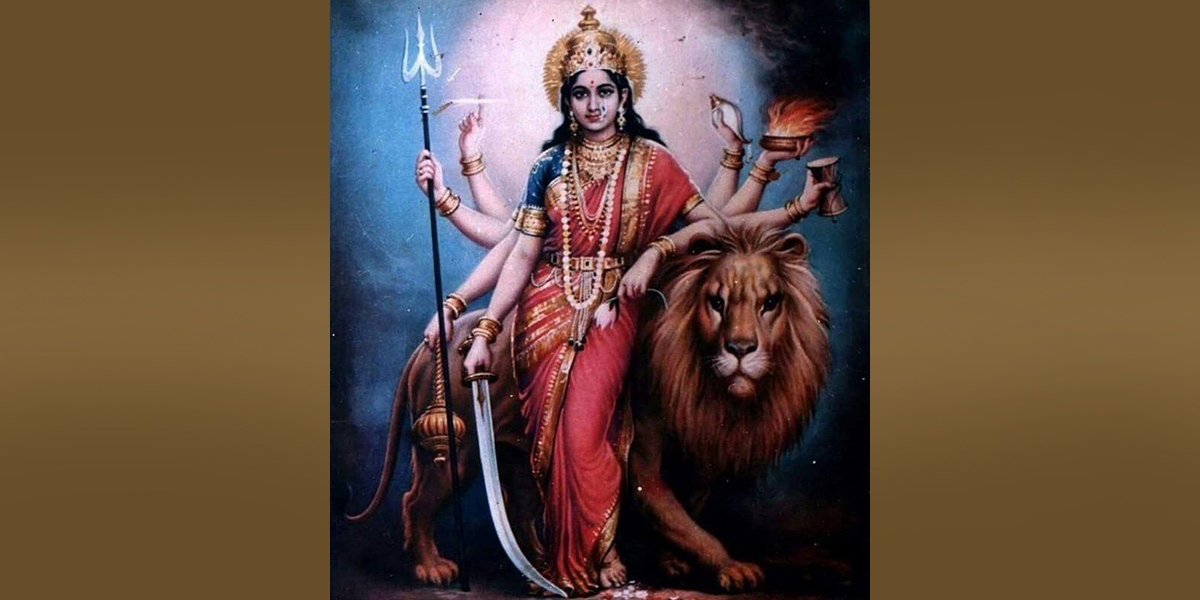
Agni Nakshatram (additionally in Tamil: அக்னி நக்ஷத்திரம் Agni Nakṣattiram, Hindi: अग्नि नक्षत्र Agni Nakṣatra, Telugu: అగ్ని నక్షత్రం Agni Nakṣatram, Kannada: ಅಗ್ನಿ ನಕ್ಷತ್ರ Agni Nakṣatra, Malayalam: അഗ്നി നക്ഷത്രം Agni Nakṣatram, Bengali: অগ্নি নক্ষত্র Agni Nakṣatra) is a sacred period deeply associated with Lord Murugan (additionally called Skanda, Karthikeya, Subrahmanya, Kumara in different Indian traditions). This period is observed in Tamil Nadu and other regions of South India with high devotion. The festival spans about 25 days and is marked by the Sun’s transit through critical stars in the zodiac, particularly the star Krittika (Tamil: கார்த்திகை Kārttikai), along with the late quarters of Bharani and the early quarters of Rohini.

The name "Agni Nakshatram" itself means "Star of Fire," symbolizing the peak of summer heat. Scientifically, it corresponds to the hottest part of the year in the Indian subcontinent, caused by the Sun’s near zenith position, resulting in increased solar radiation and atmospheric heating. Traditionally, it is both a time of intense heat and spiritual purification.

Agni Nakshatram Date 2026:
In 2026, Agni Nakshatram begins on 4 May 2026, Monday. This date aligns with Ujjain, India, astronomical sunrise and sunset timings.
Sunrise: 5:55 AM (Ujjain, India)
Sunset: 6:51 PM (Ujjain, India)

Rituals during Agni Nakshatram:

1. Devotees visit Murugan temples, especially the six famous abodes known as Arupadai Veedu (அறுபடை வீடு), including Palani, Tiruttani, Swamimalai, Tiruchendur, and Pazhamudircholai.
2. Giri Valam (circumambulation of the sacred hill) is performed in Palani. The holy path is believed to be enriched with medicinal herbs, and breathing in this atmosphere is said to purify the body and mind.
3. Women devotees wear Kadamba flowers (Tamil: கடம்ப பூ Kadamba Poo) during the Giri Valam as these are considered especially beloved to Lord Murugan.
4. Daily Abhishekam (ritual bathing of the deity) with water, milk, sandalwood, and flowers is conducted in Murugan temples. The water from this Abhishekam is collected as Theertham (holy water), which is distributed to devotees.
5. On the final day, the Theertham is also sprinkled in wells, temples, and homes, symbolizing purification and prosperity.
6. Many devotees observe fasting or consume only light sattvic meals, avoiding non-vegetarian food, alcohol, and tamasic items.

Step-by-Step Daily Routine during Agni Nakshatram:

Morning:
1. Rise before sunrise (around 4:30–5:00 AM in Ujjain).
2. Take a purifying bath, ideally in a river or with water sanctified with Tulsi leaves.
3. Visit a Murugan temple or perform puja at home with lamps, incense, and flowers.
4. Recite sacred texts like Kanda Sashti Kavasam (Tamil: கந்த சஷ்டி கவசம் Kanta Caṣṭi Kavaśam) or chant Murugan mantras such as “Om Saravanabhava.”

Afternoon:
5. Perform Giri Valam (circumambulation of a hill or temple, symbolically if not near Palani).
6. Women adorn Kadamba flowers in their hair as a mark of devotion.
7. Take only light sattvic meals, preferably once during the day, maintaining a simple lifestyle.
8. Engage in service acts such as Annadanam (feeding the poor) or offering water to travelers, especially since this is a peak heat period.

Evening/Night:
9. Attend temple Abhishekam rituals or perform evening prayers at home with lamps.
10. Receive Theertham from the temple or prepare sanctified water at home for sprinkling.
11. Participate in devotional singing (bhajans) or kirtans dedicated to Lord Murugan.
12. Sleep after chanting short Murugan stotras, keeping a calm and meditative state of mind.

Regional Time Alignments:

Ujjain, India:
In 2026, Agni Nakshatram falls on 4 May. Approximate sunrise is at 5:55 AM and sunset at 6:51 PM. Devotees in Ujjain align all rituals with these timings. Due to the intensity of heat, devotees are advised to hydrate and avoid excessive outdoor exposure except for temple visits.

Malaysia / Singapore:
Agni Nakshatram in 2026 will also be observed on 4 May. Approximate sunrise in this region is between 7:00–6:55 AM, and sunset between 7:05–7:10 PM local time. Devotees adapt their rituals to these timings but spiritually remain connected to Ujjain’s reference.

New York, USA:
Due to time zone differences, Agni Nakshatram observance corresponds to 3 May evening to 4 May evening. Sunrise is around 5:50–5:40 AM, and sunset is around 7:55–8:00 PM. Devotees adjust their puja schedule accordingly while maintaining the spiritual essence of Murugan worship.

Significance:
Agni Nakshatram is seen both as a spiritual purification period and as nature’s test of endurance. Devotees believe that sincere worship of Lord Murugan during this time brings health, prosperity, and divine protection. In contrast, many communities consider this period inauspicious for new ventures, weddings, or travel, as the intense heat symbolizes fiery trials. Scientifically, this period is explained by the Earth’s axial tilt and solar movement, leading to increased solar intensity across the Indian subcontinent. Spiritually, the fire element is seen as both destructive and purifying, cleansing devotees of negative karma.

Future Dates of Agni Nakshatram:
2025: 4 May
2026: 4 May
2027: 4 May
2028: 4 May
2029: 4 May
2030: 4 May
2031: 4 May
2032: 4 May

Buddha Purnima • Lord Buddha's Birthday, Enlightenment & Death

Buddha Purnima (बुद्ध पूर्णिमा, புத்த பூணிமா, ബുദ്ധ പൂർണ്ണിമ, బుద్ధ పౌర్ణమి, ಬುದ್ಧ ಪೂರ್ಣಿಮೆ, বুদ্ধ পূর্ণিমা) or Buddha Jayanti, also called Vesak (වෙසක්), is one of the most significant festivals for followers of Buddhism. This auspicious day commemorates the birth, enlightenment (Bodhi), and Mahaparinirvana (death) of Gautama Buddha. Since it celebrates three pivotal events in the life of Lord Buddha, the festival holds immense religious and spiritual importance.

Buddha Purnima is observed on the full moon day (Purnima Tithi) of Shukla Paksha in the month of Vaisakh according to the traditional Hindu calendar, corresponding to April-May in the Gregorian calendar. In 2026, Buddha Purnima will be observed on Friday, 01 May.

This day is also observed with devotion by Hindus in India, where Lord Buddha is sometimes revered as the ninth avatar of Lord Vishnu (after Krishna, the eighth incarnation) in certain regions. The festival is celebrated across India with equal devotion in states like Maharashtra, Uttar Pradesh, Bihar, West Bengal, and also internationally in countries such as Nepal, Sri Lanka, Thailand, and Myanmar.

Rituals and Practices on Buddha Purnima

1. Temple Visits and Sermons: Devotees visit Buddhist temples and monasteries (Viharas), listening to sermons by monks that elaborate the teachings of Gautama Buddha.

2. Statue Ablution (Bathing the Buddha): In many temples, statues of Gautama Buddha representing his early life are placed in water-filled basins and decorated with fresh flowers. Devotees pour water gently over these statues, symbolizing purification and a fresh beginning.

3. Recitation of Scriptures: Devout Buddhists chant sutras and recite verses describing the life and teachings of Lord Buddha. The focus is on moral teachings such as compassion, non-violence, and truthfulness.

4. Observance of Panchsheel: Many devotees follow the five moral precepts (Panchsheel) strictly on this day, which include non-violence, truthfulness, non-stealing, celibacy or moderation, and abstaining from intoxicants.

5. Charity and Compassion: Charity forms an integral part of Buddha Purnima. People donate food, clothes, and other essential items to the poor, while some also release caged animals to express compassion for all living beings.

6. Vegetarianism and White Clothing: Devotees often wear white robes and observe a vegetarian diet to honor the principle of Ahimsa (non-violence) emphasized by Lord Buddha.

Scientific and Cultural Significance

Buddha Purnima aligns with the full moon day of Vaisakh, when the moon is at its peak brightness. This astronomical event coincides with the spring season in the northern hemisphere, symbolizing purity, growth, and spiritual awakening. Culturally, Buddha Purnima encourages followers to practice ethical living, mindfulness, and compassion, contributing to inner peace and societal harmony. The day reflects a deep connection between natural cycles, astronomy, and spiritual observances, demonstrating how ancient Indian traditions incorporated scientific observations into religious practices.

Step-by-Step Observance Routine for Buddha Purnima

1. Early Morning: Wake up before sunrise, take a ritual bath, and wear clean or white attire.
2. Morning Prayers: Visit a Buddhist temple, offer flowers, light candles or lamps, and participate in chanting sessions.
3. Scripture Recitation: Listen to sermons or recite sutras describing Buddha’s life and teachings.
4. Midday: Participate in charity work, distribute food, and engage in community service.
5. Afternoon: Pour water over Buddha statues if available, meditate or practice mindfulness.
6. Evening: Attend cultural programs depicting the life of Lord Buddha, observe a vegetarian meal, and conclude the day with prayers for peace and compassion.

Important Timings on Buddha Purnima 2026 (Ujjain, India)

- Date: Friday, 01 May 2026
- Sunrise: Approximately 5:57 AM
- Sunset: Approximately 6:50 PM
- Purnima Tithi: April 30, 9:13 PM - 01 May, 10:53 PM

Malaysia/Singapore (UTC+8)

- Date: Friday, 01 May 2026
- Sunrise: Approximately 8:27 AM
- Sunset: Approximately 9:20 PM
- Purnima Tithi: April 30, 12:43 AM - 01 May, 1:23 AM (local time)

New York, United States (UTC-4)

- Date: Thursday, 30 April 2026 - Friday, 01 May 2026
- Sunrise: Approximately 5:57 PM (30 April)
- Sunset: Approximately 6:50 AM (01 May)
- Purnima Tithi: April 30, 9:13 PM - 01 May, 10:53 PM (local time adjusted for Ujjain Tithi)

Future Dates for Buddha Purnima

- 2027: Thursday, 20 May
- 2028: Monday, 8 May
- 2029: Sunday, 27 May
- 2030: Friday, 17 May

Buddha Purnima is a day to embrace wisdom, compassion, and mindfulness. Observing the festival with devotion allows individuals to reflect on the teachings of Gautama Buddha, practice ethical living, and foster harmony within society and with nature.

Bhadrakali Jayanti (also known as Bhadrakali Ekadashi, Bhadrakali Gyaras, or Apara Ekadashi) is a significant Hindu festival that commemorates the birth of Goddess Bhadrakali, a fierce and protective form of Goddess Kali. Observed on the Ekadashi (11th day) of the Krishna Paksha (waning phase of the moon) in the month of Jyeshtha, this festival typically falls between May and June in the Gregorian calendar. In 2025, Bhadrakali Jayanti is scheduled for Friday, 23rd May 2025.

Significance: The festival holds profound spiritual importance, particularly among Aryan Saraswat Brahmins in regions like Haryana, Himachal Pradesh, and Kashmir. It is believed that on this day, Goddess Bhadrakali manifested from Lord Shiva's hair to avenge the death of Devi Sati by annihilating demons and restoring cosmic balance. Devotees believe that worshipping Goddess Bhadrakali on this day can help overcome obstacles, resolve astrological doshas (flaws), and fulfill eleven wishes, as the day coincides with Krishna Paksha Ekadashi.

Rituals and Observances: Devotees begin the day by taking an early morning bath and adorning black or blue attire, as these colors are considered auspicious. The main rituals include:

  1. Panchamrita Abhishek: The idol of Goddess Bhadrakali is bathed with a mixture of water, milk, sugar, honey, and ghee.
  2. Chandan Puja: Application of sandalwood paste on the idol.
  3. Bilva Puja: Offering of Bilva leaves, which are sacred to Goddess Kali.
  4. Recitation of Devi Mantras: Chanting specific mantras to invoke the blessings of Goddess Bhadrakali.
  5. Temple Visit: In the evening, devotees visit temples dedicated to Goddess Kali to participate in special pujas and rituals.

Timings for Bhadrakali Jayanti 2025 (Ujjain, India):

  • Ekadashi Tithi: Begins at 1:12 AM on 23rd May and ends at 10:30 PM on 23rd May.
  • Sunrise: Approximately 5:46 AM IST.
  • Sunset: Approximately 7:00 PM IST.

Suggested Daily Routine for Observing Bhadrakali Jayanti:

  1. Early Morning (4:00 AM - 6:00 AM): Perform personal hygiene rituals and wear black or blue attire. Begin with a prayer to seek blessings for the day.
  2. Morning Rituals (6:00 AM - 9:00 AM): Set up a clean altar with an idol or image of Goddess Bhadrakali. Perform the Panchamrita Abhishek, followed by Chandan and Bilva Puja. Recite specific Devi mantras dedicated to Bhadrakali.
  3. Midday Observances (11:00 AM - 1:00 PM): Engage in meditation or silent prayer, focusing on the qualities of Goddess Bhadrakali. This period is considered auspicious for spiritual activities.
  4. Evening Rituals (5:00 PM - 7:00 PM): Visit a nearby temple dedicated to Goddess Kali. Participate in the evening aarti and special pujas conducted for Bhadrakali Jayanti.
  5. Night Observances (9:00 PM - 10:30 PM): Conclude the day with a final prayer, expressing gratitude and seeking protection and blessings for the coming days.

Note: The timings mentioned are approximate and based on the local time in Ujjain, India. Devotees are encouraged to adjust the schedule as per their convenience and local customs.

Future Dates for Bhadrakali Jayanti:

  • 2026: Wednesday, 13th May
  • 2027: Tuesday, 1st June
  • 2028: Saturday, 20th May
  • 2029: Thursday, 7th June
  • 2030: Monday, 27th May

Amavasai, Amavasya Viratham (Vrat) 2025 • Significance of Amavasya

Meaning of Amavasya
Amavasai, Amavasya Viratham (Vrat). Amavasya (Sanskrit: अमावस्या) literally means “no moon” — “a” (negation) + “ma” (moon) + “vasya” (to dwell). In many Indian languages, it is known as Amavasya (Hindi: अमावस्या Amāvāsyā; Tamil: அமாவாசை Amāvācai; Telugu: అమావాస్య Amāvāsya; Kannada: ಅಮಾವಾಸ್ಯ Amāvāsya; Malayalam: ആമാവാസ്യം Āmāvāsyam; Bengali: অমাবস্যা Amābasyā). It marks the lunar phase when the Moon is not visible in the sky.

Importance of Amavasya
Amavasya is considered an auspicious time for spiritual practices, ancestral rites (श्राद्ध – Śrāddha), remembrance of departed souls, and introspection. Many significant fasts, rituals, and festivals (e.g. Diwali’s Lakshmi Puja) fall on Amavasya days. Somvati Amavasya (when Amavasya coincides with Monday) is especially revered.

The day of Amavasya is held in reverence by many and is believed to be the most auspicious day to offer shraddh and pay homage to one's ancestors, especially dead parents.

Some of the most popular observances and important Amavasya dates are Mauni Amavasya, Shani Jayanti, Vat Savitri Vrat, Bhaumvati Amavasya, Lakshmi puja (Diwali), Hariyali Amavasya, Mahalaya Amavasya (Pitru Paksha).

Of all the Amavasya days, an Amavasya falling on Monday Somavara (Somvara) is considered most auspicious. Know as Somvati Amavasya, fasting and observing Viratham (Vrat) (Somvati Amavasya Vrat) on this day is considered most meritorious. Taking holy dip in waters of the sacred rivers like the Ganga, Yamuna, Krishna or Kaveri. On the day of Somvati Amavasya, 1000s of devotees throng religious places like Haridwar, Varanasi etc.

All Amavasya Dates in 2025 (for reference)

29 January
Amavasya Tithi Time: 28 January, 7:36 PM - 29 January, 6:05 PM
27 February
Amavasya Tithi Time: 27 February, 8:55 AM - 28 February, 6:14 AM
March 29
Amavasya Tithi Time: March 28, 7:55 PM - March 29, 4:27 PM
April 27
Amavasya Tithi Time: April 27, 4:50 AM - April 28, 1:01 AM
May 27
Amavasya Tithi Time: May 26, 12:12 PM - May 27, 8:32 AM
June 25
Amavasya Tithi Time: June 24, 7:00 PM - June 25, 4:01 PM
July 24
Amavasya Tithi Time: July 24, 2:29 AM - July 25, 12:41 AM
August 23
Amavasya Tithi Time: August 22, 11:56 AM - August 23, 11:36 AM
September 21
Amavasya Tithi Time: September 21, 12:17 AM - September 22, 1:24 AM
October 21
Amavasya Tithi Time: October 20, 3:45 PM - October 21, 5:55 PM
20 November
Amavasya Tithi Time: November 19, 9:44 AM - November 20, 12:17 PM
December 19
Amavasya Tithi Time: December 19, 4:59 AM - December 20, 7:13 AM

Step-by-Step Observance of Amavasya Vrat
1. Wake before sunrise; take a purifying bath and wear clean clothes.
2. Clean puja area and set up a small altar with idols or photos of ancestors, Goddess Lakshmi (लक्ष्मी), and Lord Vishnu (विष्णु).
3. Light an oil lamp, offer incense, flowers, and water; chant Mantras like the Mahamrityunjaya, Gayatri Mantra, or Shiva / Vishnu stotras.
4. Perform Śrāddha offerings or Tarpaṇa (water oblations) for departed ancestors — offering sesame seeds, black sesame, cooked rice, and water into flowing water body if possible.
5. Observe fast or at least partial restraint (avoid heavy food, non-vegetarian items).
6. Meditate, read scriptures like Bhagavad Gita, Srimad Bhagavatam, or Puranic stories.
7. At auspicious time (often after the tithi ends), break fast modestly and offer food first to a Brahmin or needy person.
8. In evenings or at dusk, perform final prayers and reflect on gratitude, karma, and purpose.

Symbolism & Scientific Perspective
• Amavasya represents the lunar cycle’s new beginning — though invisible, the Moon is poised to wax again. Spiritually it symbolizes renewal, inner silence, and letting go.
• Astrologically, the absence of Moon light is thought to reduce mental turbulence, making meditation and ancestral connection stronger.
• In terms of human physiology, fasting and ritual on a “no-moon” day can help detoxification and mental clarity, aligning body rhythms with lunar cycles.

Global Timing Notes
Malaysia / Singapore: Use local sunrise and sunset as reference; convert Amavasya tithi transitions from IST to UTC+8.
New York, USA: Because of time zone shift, the Amavasya tithi might begin late night or early morning previous day locally; devotees should consult a local Hindu calendar or Panchang for accurate timings.

Chaturthi Viratham (Chaturthi Vrat) • Vinayaka Chaturthi (Sanskrit: Ganesha Chaturthi or Vinayaka Chaturthi / Hindi: Vinayak Chaturthi)

The fourth day of the bright and dark half of the Moon in every lunar month of the Hindu calendar is called Chaturthi Tithi – the day to observe Chaturthi Viratham (Chaturthi Vrat). This day is dedicated to Lord Ganesh (Ganpati) and is traditionally observed by men. Shukla Paksha Chaturthi is celebrated as Vinayaka Chaturthi (Sanskrit: गणेश चतुर्थी, Hindi: गणेश चतुर्थी / Tamil: விநாயக சதுர்த்தி / Telugu: వినాయక చతుర్థి / Kannada: ವಿನಾಯಕ ಚತುರ್ಥಿ / Malayalam: വിനായക ചതുര്തി / Bengali: গণেশ চতুর্থী) after the full moon, and Krishna Paksha Chaturthi is observed as Sankashti Chaturthi.

Among all Chaturthi days, the one falling on the bright half of Bhadra (Bhadrapad) month is most popular and celebrated as Ganesh Chaturthi, the birthday of Lord Ganesh. Ganesh Chaturthi 2025 is on 27 August and Ganesh Visarjan will be on 6 September 2025.

Significance of Ganesh Chaturthi:
Ganesh Chaturthi commemorates the birth of Lord Ganesh, the God of Wisdom, Wealth, and Fortune. The festival symbolizes new beginnings and a fresh start. Worshipping Lord Ganesha is considered essential before any new venture, as His blessings remove obstacles, provide strength, and impart wisdom.

Step-by-Step Rituals and Daily Routine:
1. Morning: Wake early, take a bath, and wear clean clothes. Set up the Ganesh idol on a decorated altar.
2. Morning Puja: Begin with Pranapratistha by chanting mantras to invoke life into the idol. Offer sandalwood paste, kumkum, flowers, and durva (tri-bladed grass).
3. Midday Puja (Madhyahna Kaal): Perform Ganesh Puja from 11:13 AM - 1:43 PM on 27 August 2025, offering 21 modaks and 21 durvas.
4. Avoid Moon Sighting: From 9:28 AM - 9:08 PM on 27 August, 2025, avoid looking at the Moon to prevent inauspicious results.
5. Evening: Recite Ganesh mantras such as "श्री वक्रतुण्ड महाकाय सूर्य कोटी समप्रभा निर्विघ्नं कुरु मे देव सर्व-कार्येशु सर्वदा॥" Offer prasad and participate in devotional songs.
6. End of Festival: On Ganesh Visarjan day (6 September 2025), perform the immersion ceremony with proper rituals, offering coconuts, flowers, and sweets in a procession.

Important Timings (Ujjain, India) on Ganesh Chaturthi 2025:
Sunrise: 27 August, 6:11 AM
Sunset: 27 August, 6:45 PM
Chaturthi Tithi Timings: 26 August, 1:55 PM - 27 August, 3:44 PM
Madhyahna Ganesh Puja: 11:13 AM - 1:43 PM
Time To Avoid Moon Sighting: 9:28 AM - 9:08 PM
Place: Ujjain, India

Ganesh Chaturthi Festival Dates 2025 (Chaturthi Viratham / Chaturthi Vrat):
January 3 – 03 January, 1:08 AM - 03 January, 11:40 PM
February 1 – 01 February, 11:38 AM - 02 February, 9:14 AM
March 3 – 02 March, 9:02 PM - 03 March, 6:02 PM
April 1 – 01 April, 5:42 AM - 02 April, 2:32 AM
May 1 – 30 April, 2:12 PM - 01 May, 11:24 AM
May 30 – 29 May, 11:18 PM - 30 May, 9:23 PM
June 28 – 28 June, 9:54 AM - 29 June, 9:15 PM
July 28 – 27 July, 10:42 PM - 28 July, 11:24 PM
August 27 – 26 August, 1:55 PM - 27 August, 3:44 PM
September 25 – 25 September, 7:06 AM - 26 September, 9:33 AM
October 25 – 25 October, 1:20 AM - 26 October, 3:48 AM
November 24 – 23 November, 7:25 PM - 24 November, 9:22 PM
December 24 – 23 December, 12:13 PM - 24 December, 1:11 PM

FAQs:

1: When is the Ganesh Sthapana Muhurtam (Muhurat) 2025?
- Ganesh Sthapana is done during the Madhyahna Kaal on the day of Ganesh Chaturthi. The Madhyahna Kaal Ganesh Puja will be from 11:13 AM - 01:43 PM on 27 August, 2025. The Ganesh Idol can be brought home when the Chaturthi Tithi begins at 26 August, 1:55 PM.

2: What are the differences between Ganesh Chaturthi and Ganesh Jayanti?
- Ganesh Chaturthi is celebrated on the Krishna Paksha Chaturthi of Bhadrapada month (Bhadrapada Vinayaka Chaturthi), and Ganesh Jayanti is observed during the Shukla Paksha Chaturthi of Magha month (Magha Sankashti Chaturthi). The Chaturthi Tithi falling on the Shukla Paksha of any month is called Sankashti Chaturthi, while the one falling on the Krishna Paksha is called Vinayaka Chaturthi (Sanskrit: गणेश चतुर्थी, Hindi: गणेश चतुर्थी / Tamil: விநாயக சதுர்த்தி / Telugu: వినాయక చతుర్థి / Kannada: ವಿನಾಯಕ ಚತುರ್ಥಿ / Malayalam: വിനായക ചതുര്തി / Bengali: গণেশ চতুর্থী). Both Ganesh Jayanti and Ganesh Chaturthi are celebrated as the birthday of Lord Ganesha, but the latter one is more widely recognized. Ganesh Jayanti marks the creation of Lord Ganesh by Goddess Parvati, whereas Ganesh Chaturthi signifies Lord Ganesha descending from Mount Kailash to visit his brother, Lord Karthikeya.

3: When should we avoid Moon sighting on Ganesh Chaturthi 2025?
- The Moon will rise at 27 August, 9:28 AM and set at 9:08 PM.
- According to ancient scriptures like Mudgala Purana, Skanda Purana, and Brahmanda Purana, Chandradev, the Lord of the Moon, once ridiculed Lord Ganesh’s appearance, provoking His anger. Lord Ganesh cursed Chandradev, causing him to disappear. After Chandradev apologized, Lord Ganesh modified the curse, decreeing that anyone who gazes at the Moon on Ganesh Chaturthi may face false accusations.

Ganesh Chaturthi Festival Dates between 2020 & 2030:
2020 – 22 August
2021 – 10 September
2022 – 31 August
2023 – 19 September
2024 – 7 September
2025 – 27 August
2026 – 14 September
2027 – 4 September
2028 – 23 August
2029 – 11 September
2030 – 1 September
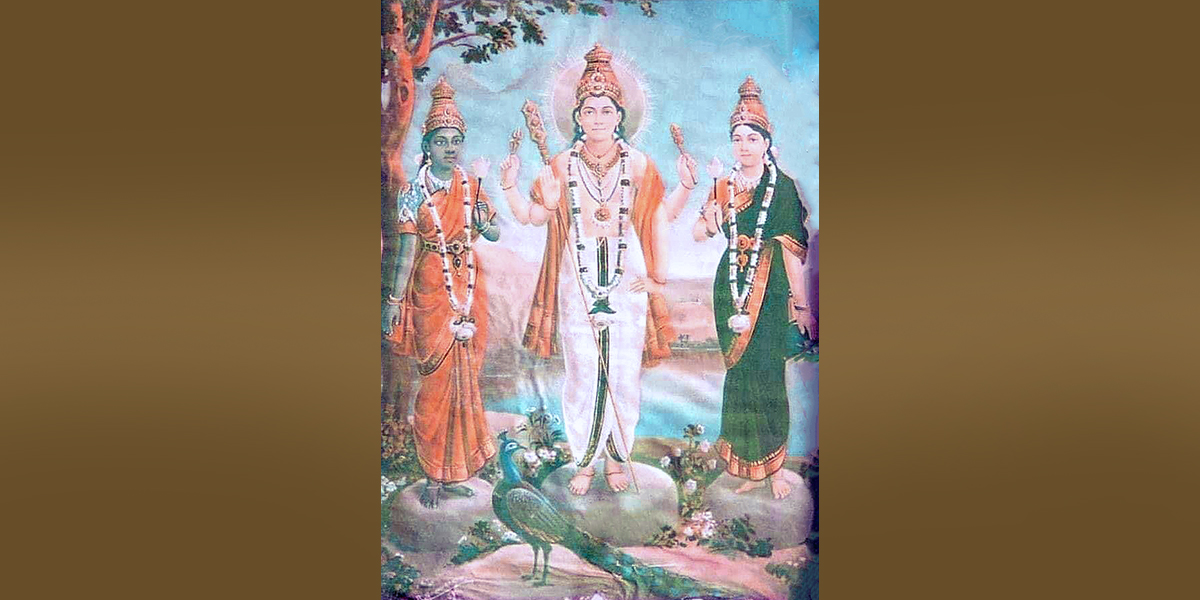
June 2025

Notes.

Budhan Ashtami Viratham (Budh Ashtami Vrat बुध अष्टमी व्रत)

Budhan Ashtami Viratham (புதன் அஷ்டமி வ்ரதம் in Tamil; additionally known as Budh Ashtami Vrat, Hindi: बुध अष्टमी व्रत Budh Ashtami Vrat, Malayalam: ബുധ അഷ്ടമി വ്രതം Budha Ashtami Vratham, Telugu: బుధాష్టమీ వ్రతం Budhastami Vratam, Kannada: ಬುಧ ಅಷ್ಟಮಿ ವ್ರತ Budha Ashtami Vrata, Gujarati: બુધ અષ્ટમી વ્રત Budh Ashtami Vrat, Punjabi: ਬੁੱਧ ਅਸ਼ਟਮੀ ਵ੍ਰਤ Budh Ashtami Vrat, Bengali: বুধ অষ্টমী ব্রত Budh Ashtami Brat) is an auspicious day for Hindu devotees that occurs when the 'Ashtami' Tithi (8th day) falls on a Wednesday or 'Budhwar' (बुधवार, Budhvar) in the traditional Hindu lunar calendar. Budh Ashtami can occur either during the 'Shukla Paksha' (bright fortnight of the moon) or the 'Krishna Paksha' (dark fortnight of the moon) in a month. On this day, devotees worship Lord Shiva (शिव, Shiva) and Goddess Parvati (पार्वती, Parvati) with full devotion and dedication.

According to Hindu legends, one who observes fasting on Budh Ashtami is believed to be freed from all sins and is promised liberation from Hell after death. Budhan Ashtami Viratham (Budh Ashtami Vrat) is popularly observed in Gujarat, Maharashtra, and northern states of India. Devotees undertake this vrat seeking divine blessings for prosperity, wellbeing, and spiritual growth.

Budhan Ashtami Viratham (Budh Ashtami Vrat) 2025: October 29, Wednesday

Ashtami Tithi Time: October 29, 9:23 AM – October 30, 10:07 AM

Rituals during Budh Ashtami Vrat:

  • Devotees worship Budha Graha (बुध ग्रह, Mercury) and seek His blessings for intelligence, wealth, and prosperity.
  • Most devotees observe a strict fast on this day. Special 'Naivedya' (offering) is prepared and offered to Lord Budha. The Prasad can only be consumed after completing the puja rituals.
  • Worship includes a Budha idol or picture inscribed on a gold or silver coin. A 'Kalash' (water pot) filled with water is placed on the altar with an unpeeled green coconut on top. Devotional rituals and prayers are performed with full devotion.
  • In some traditions, devotees must perform Budhan Ashtami Viratham (Budh Ashtami Vrat) continuously for 8 years. In the final year, the gold or silver coin with the image of Lord Budha is given to a Brahmin. Observers are believed to gain freedom from sins and attain spiritual liberation.
  • In certain regions, Lord Shiva and Goddess Parvati are also worshipped to enhance the efficacy of the vrat and purify the soul.

Important Timings for Ujjain, India (2025):

  • Sunrise: October 29, 6:34 AM
  • Sunset: October 29, 5:46 PM
  • Ashtami Tithi Timing: October 29, 09:23 AM – October 30, 10:07 AM

Significance of Budh Ashtami Vrat:

The untold glories of Budhan Ashtami Viratham (புதன் அஷ்டமி வ்ரதம் in Tamil; additionally known as Budh Ashtami Vrat, Hindi: बुध अष्टमी व्रत Budh Ashtami Vrat, Malayalam: ബുധ അഷ്ടമി വ്രതം Budha Ashtami Vratham, Telugu: బుధాష్టమీ వ్రతం Budhastami Vratam, Kannada: ಬುಧ ಅಷ್ಟಮಿ ವ್ರತ Budha Ashtami Vrata, Gujarati: બુધ અષ્ટમી વ્રત Budh Ashtami Vrat, Punjabi: ਬੁੱਧ ਅਸ਼ਟਮੀ ਵ੍ਰਤ Budh Ashtami Vrat, Bengali: বুধ অষ্টমী ব্রত Budh Ashtami Brat) are detailed in the Brahmanda Purana and other Hindu scriptures. Observing this vrat with devotion helps free the observer from all sins, including those accumulated from previous births. Worshipping Lord Shiva and Goddess Parvati on this day with dedication is believed to redeem past karmas, bring prosperity, and ensure spiritual purification.

The vrat is particularly significant for individuals affected by Budh Grah Dosha (Mercury afflictions in their horoscope). Observing this vrat pacifies the negative influence of Budh Grah, enhances intellect, communication, and financial stability. Fasting, prayers, charity, and proper ritual observances amplify spiritual benefits.

Logical Step-by-Step Routine for Budh Ashtami:

  1. Morning: Wake up before sunrise, take a holy bath, and clean the puja area. Set up the Kalash with coconut and place Budha Graha idol or picture.
  2. Puja Rituals: Offer flowers, incense, light lamps, chant mantras, and perform the rituals in devotion. Prepare Naivedya for Lord Budha.
  3. Fasting: Maintain fasting throughout the day, consuming only the Prasad after completing the puja.
  4. Evening: Recite Budh Graha mantras, worship Lord Shiva and Parvati if customary, and offer water to Peepal tree for enhanced spiritual merit.
  5. Charity: Donate green-colored items, food, or money to the needy. Share Prasad with family, friends, and devotees.
  6. Conclusion: Complete the vrat with gratitude, affirm devotion, and commit to performing the vrat annually for maximum spiritual benefits.

Budh Ashtami Vrat Dates (Ujjain, India, 2025):

  • February 5, Wednesday – Ashtami Tithi: 2:31 AM (Feb 5) – 12:36 AM (Feb 6)
  • June 18, Wednesday – Ashtami Tithi: 1:35 PM (June 18) – 11:56 AM (June 19)
  • July 2, Wednesday – Ashtami Tithi: 11:59 AM (July 2) – 2:07 PM (July 3)
  • October 29, Wednesday – Ashtami Tithi: 9:23 AM (Oct 29) – 10:07 AM (Oct 30)
  • November 12, Wednesday – Ashtami Tithi: 11:09 PM (Nov 11) – 10:58 PM (Nov 12)

Future Budhan Ashtami Viratham (Budh Ashtami Vrat) Dates:

  • 2026: March 25, Wednesday
  • 2027: August 25, Wednesday
  • 2028: May 31, Wednesday
  • 2029: November 7, Wednesday
  • 2030: October 29, Wednesday

Amavasai, Amavasya Viratham (Vrat) 2025 • Significance of Amavasya

Meaning of Amavasya
Amavasai, Amavasya Viratham (Vrat). Amavasya (Sanskrit: अमावस्या) literally means “no moon” — “a” (negation) + “ma” (moon) + “vasya” (to dwell). In many Indian languages, it is known as Amavasya (Hindi: अमावस्या Amāvāsyā; Tamil: அமாவாசை Amāvācai; Telugu: అమావాస్య Amāvāsya; Kannada: ಅಮಾವಾಸ್ಯ Amāvāsya; Malayalam: ആമാവാസ്യം Āmāvāsyam; Bengali: অমাবস্যা Amābasyā). It marks the lunar phase when the Moon is not visible in the sky.

Importance of Amavasya
Amavasya is considered an auspicious time for spiritual practices, ancestral rites (श्राद्ध – Śrāddha), remembrance of departed souls, and introspection. Many significant fasts, rituals, and festivals (e.g. Diwali’s Lakshmi Puja) fall on Amavasya days. Somvati Amavasya (when Amavasya coincides with Monday) is especially revered.

The day of Amavasya is held in reverence by many and is believed to be the most auspicious day to offer shraddh and pay homage to one's ancestors, especially dead parents.

Some of the most popular observances and important Amavasya dates are Mauni Amavasya, Shani Jayanti, Vat Savitri Vrat, Bhaumvati Amavasya, Lakshmi puja (Diwali), Hariyali Amavasya, Mahalaya Amavasya (Pitru Paksha).

Of all the Amavasya days, an Amavasya falling on Monday Somavara (Somvara) is considered most auspicious. Know as Somvati Amavasya, fasting and observing Viratham (Vrat) (Somvati Amavasya Vrat) on this day is considered most meritorious. Taking holy dip in waters of the sacred rivers like the Ganga, Yamuna, Krishna or Kaveri. On the day of Somvati Amavasya, 1000s of devotees throng religious places like Haridwar, Varanasi etc.

All Amavasya Dates in 2025 (for reference)

29 January
Amavasya Tithi Time: 28 January, 7:36 PM - 29 January, 6:05 PM
27 February
Amavasya Tithi Time: 27 February, 8:55 AM - 28 February, 6:14 AM
March 29
Amavasya Tithi Time: March 28, 7:55 PM - March 29, 4:27 PM
April 27
Amavasya Tithi Time: April 27, 4:50 AM - April 28, 1:01 AM
May 27
Amavasya Tithi Time: May 26, 12:12 PM - May 27, 8:32 AM
June 25
Amavasya Tithi Time: June 24, 7:00 PM - June 25, 4:01 PM
July 24
Amavasya Tithi Time: July 24, 2:29 AM - July 25, 12:41 AM
August 23
Amavasya Tithi Time: August 22, 11:56 AM - August 23, 11:36 AM
September 21
Amavasya Tithi Time: September 21, 12:17 AM - September 22, 1:24 AM
October 21
Amavasya Tithi Time: October 20, 3:45 PM - October 21, 5:55 PM
20 November
Amavasya Tithi Time: November 19, 9:44 AM - November 20, 12:17 PM
December 19
Amavasya Tithi Time: December 19, 4:59 AM - December 20, 7:13 AM

Step-by-Step Observance of Amavasya Vrat
1. Wake before sunrise; take a purifying bath and wear clean clothes.
2. Clean puja area and set up a small altar with idols or photos of ancestors, Goddess Lakshmi (लक्ष्मी), and Lord Vishnu (विष्णु).
3. Light an oil lamp, offer incense, flowers, and water; chant Mantras like the Mahamrityunjaya, Gayatri Mantra, or Shiva / Vishnu stotras.
4. Perform Śrāddha offerings or Tarpaṇa (water oblations) for departed ancestors — offering sesame seeds, black sesame, cooked rice, and water into flowing water body if possible.
5. Observe fast or at least partial restraint (avoid heavy food, non-vegetarian items).
6. Meditate, read scriptures like Bhagavad Gita, Srimad Bhagavatam, or Puranic stories.
7. At auspicious time (often after the tithi ends), break fast modestly and offer food first to a Brahmin or needy person.
8. In evenings or at dusk, perform final prayers and reflect on gratitude, karma, and purpose.

Symbolism & Scientific Perspective
• Amavasya represents the lunar cycle’s new beginning — though invisible, the Moon is poised to wax again. Spiritually it symbolizes renewal, inner silence, and letting go.
• Astrologically, the absence of Moon light is thought to reduce mental turbulence, making meditation and ancestral connection stronger.
• In terms of human physiology, fasting and ritual on a “no-moon” day can help detoxification and mental clarity, aligning body rhythms with lunar cycles.

Global Timing Notes
Malaysia / Singapore: Use local sunrise and sunset as reference; convert Amavasya tithi transitions from IST to UTC+8.
New York, USA: Because of time zone shift, the Amavasya tithi might begin late night or early morning previous day locally; devotees should consult a local Hindu calendar or Panchang for accurate timings.

Chaturthi Viratham (Chaturthi Vrat) • Vinayaka Chaturthi (Sanskrit: Ganesha Chaturthi or Vinayaka Chaturthi / Hindi: Vinayak Chaturthi)

The fourth day of the bright and dark half of the Moon in every lunar month of the Hindu calendar is called Chaturthi Tithi – the day to observe Chaturthi Viratham (Chaturthi Vrat). This day is dedicated to Lord Ganesh (Ganpati) and is traditionally observed by men. Shukla Paksha Chaturthi is celebrated as Vinayaka Chaturthi (Sanskrit: गणेश चतुर्थी, Hindi: गणेश चतुर्थी / Tamil: விநாயக சதுர்த்தி / Telugu: వినాయక చతుర్థి / Kannada: ವಿನಾಯಕ ಚತುರ್ಥಿ / Malayalam: വിനായക ചതുര്തി / Bengali: গণেশ চতুর্থী) after the full moon, and Krishna Paksha Chaturthi is observed as Sankashti Chaturthi.

Among all Chaturthi days, the one falling on the bright half of Bhadra (Bhadrapad) month is most popular and celebrated as Ganesh Chaturthi, the birthday of Lord Ganesh. Ganesh Chaturthi 2025 is on 27 August and Ganesh Visarjan will be on 6 September 2025.

Significance of Ganesh Chaturthi:
Ganesh Chaturthi commemorates the birth of Lord Ganesh, the God of Wisdom, Wealth, and Fortune. The festival symbolizes new beginnings and a fresh start. Worshipping Lord Ganesha is considered essential before any new venture, as His blessings remove obstacles, provide strength, and impart wisdom.

Step-by-Step Rituals and Daily Routine:
1. Morning: Wake early, take a bath, and wear clean clothes. Set up the Ganesh idol on a decorated altar.
2. Morning Puja: Begin with Pranapratistha by chanting mantras to invoke life into the idol. Offer sandalwood paste, kumkum, flowers, and durva (tri-bladed grass).
3. Midday Puja (Madhyahna Kaal): Perform Ganesh Puja from 11:13 AM - 1:43 PM on 27 August 2025, offering 21 modaks and 21 durvas.
4. Avoid Moon Sighting: From 9:28 AM - 9:08 PM on 27 August, 2025, avoid looking at the Moon to prevent inauspicious results.
5. Evening: Recite Ganesh mantras such as "श्री वक्रतुण्ड महाकाय सूर्य कोटी समप्रभा निर्विघ्नं कुरु मे देव सर्व-कार्येशु सर्वदा॥" Offer prasad and participate in devotional songs.
6. End of Festival: On Ganesh Visarjan day (6 September 2025), perform the immersion ceremony with proper rituals, offering coconuts, flowers, and sweets in a procession.

Important Timings (Ujjain, India) on Ganesh Chaturthi 2025:
Sunrise: 27 August, 6:11 AM
Sunset: 27 August, 6:45 PM
Chaturthi Tithi Timings: 26 August, 1:55 PM - 27 August, 3:44 PM
Madhyahna Ganesh Puja: 11:13 AM - 1:43 PM
Time To Avoid Moon Sighting: 9:28 AM - 9:08 PM
Place: Ujjain, India

Ganesh Chaturthi Festival Dates 2025 (Chaturthi Viratham / Chaturthi Vrat):
January 3 – 03 January, 1:08 AM - 03 January, 11:40 PM
February 1 – 01 February, 11:38 AM - 02 February, 9:14 AM
March 3 – 02 March, 9:02 PM - 03 March, 6:02 PM
April 1 – 01 April, 5:42 AM - 02 April, 2:32 AM
May 1 – 30 April, 2:12 PM - 01 May, 11:24 AM
May 30 – 29 May, 11:18 PM - 30 May, 9:23 PM
June 28 – 28 June, 9:54 AM - 29 June, 9:15 PM
July 28 – 27 July, 10:42 PM - 28 July, 11:24 PM
August 27 – 26 August, 1:55 PM - 27 August, 3:44 PM
September 25 – 25 September, 7:06 AM - 26 September, 9:33 AM
October 25 – 25 October, 1:20 AM - 26 October, 3:48 AM
November 24 – 23 November, 7:25 PM - 24 November, 9:22 PM
December 24 – 23 December, 12:13 PM - 24 December, 1:11 PM

FAQs:

1: When is the Ganesh Sthapana Muhurtam (Muhurat) 2025?
- Ganesh Sthapana is done during the Madhyahna Kaal on the day of Ganesh Chaturthi. The Madhyahna Kaal Ganesh Puja will be from 11:13 AM - 01:43 PM on 27 August, 2025. The Ganesh Idol can be brought home when the Chaturthi Tithi begins at 26 August, 1:55 PM.

2: What are the differences between Ganesh Chaturthi and Ganesh Jayanti?
- Ganesh Chaturthi is celebrated on the Krishna Paksha Chaturthi of Bhadrapada month (Bhadrapada Vinayaka Chaturthi), and Ganesh Jayanti is observed during the Shukla Paksha Chaturthi of Magha month (Magha Sankashti Chaturthi). The Chaturthi Tithi falling on the Shukla Paksha of any month is called Sankashti Chaturthi, while the one falling on the Krishna Paksha is called Vinayaka Chaturthi (Sanskrit: गणेश चतुर्थी, Hindi: गणेश चतुर्थी / Tamil: விநாயக சதுர்த்தி / Telugu: వినాయక చతుర్థి / Kannada: ವಿನಾಯಕ ಚತುರ್ಥಿ / Malayalam: വിനായക ചതുര്തി / Bengali: গণেশ চতুর্থী). Both Ganesh Jayanti and Ganesh Chaturthi are celebrated as the birthday of Lord Ganesha, but the latter one is more widely recognized. Ganesh Jayanti marks the creation of Lord Ganesh by Goddess Parvati, whereas Ganesh Chaturthi signifies Lord Ganesha descending from Mount Kailash to visit his brother, Lord Karthikeya.

3: When should we avoid Moon sighting on Ganesh Chaturthi 2025?
- The Moon will rise at 27 August, 9:28 AM and set at 9:08 PM.
- According to ancient scriptures like Mudgala Purana, Skanda Purana, and Brahmanda Purana, Chandradev, the Lord of the Moon, once ridiculed Lord Ganesh’s appearance, provoking His anger. Lord Ganesh cursed Chandradev, causing him to disappear. After Chandradev apologized, Lord Ganesh modified the curse, decreeing that anyone who gazes at the Moon on Ganesh Chaturthi may face false accusations.

Ganesh Chaturthi Festival Dates between 2020 & 2030:
2020 – 22 August
2021 – 10 September
2022 – 31 August
2023 – 19 September
2024 – 7 September
2025 – 27 August
2026 – 14 September
2027 – 4 September
2028 – 23 August
2029 – 11 September
2030 – 1 September
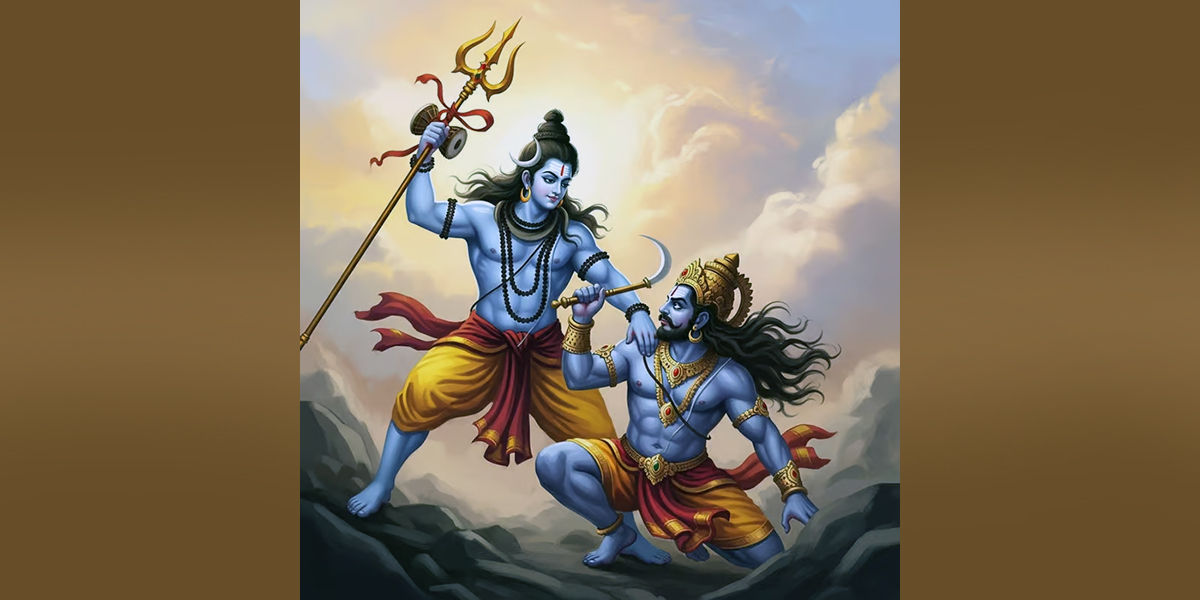
July 2025

Notes.

Budhan Ashtami Viratham (Budh Ashtami Vrat बुध अष्टमी व्रत)

Budhan Ashtami Viratham (புதன் அஷ்டமி வ்ரதம் in Tamil; additionally known as Budh Ashtami Vrat, Hindi: बुध अष्टमी व्रत Budh Ashtami Vrat, Malayalam: ബുധ അഷ്ടമി വ്രതം Budha Ashtami Vratham, Telugu: బుధాష్టమీ వ్రతం Budhastami Vratam, Kannada: ಬುಧ ಅಷ್ಟಮಿ ವ್ರತ Budha Ashtami Vrata, Gujarati: બુધ અષ્ટમી વ્રત Budh Ashtami Vrat, Punjabi: ਬੁੱਧ ਅਸ਼ਟਮੀ ਵ੍ਰਤ Budh Ashtami Vrat, Bengali: বুধ অষ্টমী ব্রত Budh Ashtami Brat) is an auspicious day for Hindu devotees that occurs when the 'Ashtami' Tithi (8th day) falls on a Wednesday or 'Budhwar' (बुधवार, Budhvar) in the traditional Hindu lunar calendar. Budh Ashtami can occur either during the 'Shukla Paksha' (bright fortnight of the moon) or the 'Krishna Paksha' (dark fortnight of the moon) in a month. On this day, devotees worship Lord Shiva (शिव, Shiva) and Goddess Parvati (पार्वती, Parvati) with full devotion and dedication.

According to Hindu legends, one who observes fasting on Budh Ashtami is believed to be freed from all sins and is promised liberation from Hell after death. Budhan Ashtami Viratham (Budh Ashtami Vrat) is popularly observed in Gujarat, Maharashtra, and northern states of India. Devotees undertake this vrat seeking divine blessings for prosperity, wellbeing, and spiritual growth.

Budhan Ashtami Viratham (Budh Ashtami Vrat) 2025: October 29, Wednesday

Ashtami Tithi Time: October 29, 9:23 AM – October 30, 10:07 AM

Rituals during Budh Ashtami Vrat:

  • Devotees worship Budha Graha (बुध ग्रह, Mercury) and seek His blessings for intelligence, wealth, and prosperity.
  • Most devotees observe a strict fast on this day. Special 'Naivedya' (offering) is prepared and offered to Lord Budha. The Prasad can only be consumed after completing the puja rituals.
  • Worship includes a Budha idol or picture inscribed on a gold or silver coin. A 'Kalash' (water pot) filled with water is placed on the altar with an unpeeled green coconut on top. Devotional rituals and prayers are performed with full devotion.
  • In some traditions, devotees must perform Budhan Ashtami Viratham (Budh Ashtami Vrat) continuously for 8 years. In the final year, the gold or silver coin with the image of Lord Budha is given to a Brahmin. Observers are believed to gain freedom from sins and attain spiritual liberation.
  • In certain regions, Lord Shiva and Goddess Parvati are also worshipped to enhance the efficacy of the vrat and purify the soul.

Important Timings for Ujjain, India (2025):

  • Sunrise: October 29, 6:34 AM
  • Sunset: October 29, 5:46 PM
  • Ashtami Tithi Timing: October 29, 09:23 AM – October 30, 10:07 AM

Significance of Budh Ashtami Vrat:

The untold glories of Budhan Ashtami Viratham (புதன் அஷ்டமி வ்ரதம் in Tamil; additionally known as Budh Ashtami Vrat, Hindi: बुध अष्टमी व्रत Budh Ashtami Vrat, Malayalam: ബുധ അഷ്ടമി വ്രതം Budha Ashtami Vratham, Telugu: బుధాష్టమీ వ్రతం Budhastami Vratam, Kannada: ಬುಧ ಅಷ್ಟಮಿ ವ್ರತ Budha Ashtami Vrata, Gujarati: બુધ અષ્ટમી વ્રત Budh Ashtami Vrat, Punjabi: ਬੁੱਧ ਅਸ਼ਟਮੀ ਵ੍ਰਤ Budh Ashtami Vrat, Bengali: বুধ অষ্টমী ব্রত Budh Ashtami Brat) are detailed in the Brahmanda Purana and other Hindu scriptures. Observing this vrat with devotion helps free the observer from all sins, including those accumulated from previous births. Worshipping Lord Shiva and Goddess Parvati on this day with dedication is believed to redeem past karmas, bring prosperity, and ensure spiritual purification.

The vrat is particularly significant for individuals affected by Budh Grah Dosha (Mercury afflictions in their horoscope). Observing this vrat pacifies the negative influence of Budh Grah, enhances intellect, communication, and financial stability. Fasting, prayers, charity, and proper ritual observances amplify spiritual benefits.

Logical Step-by-Step Routine for Budh Ashtami:

  1. Morning: Wake up before sunrise, take a holy bath, and clean the puja area. Set up the Kalash with coconut and place Budha Graha idol or picture.
  2. Puja Rituals: Offer flowers, incense, light lamps, chant mantras, and perform the rituals in devotion. Prepare Naivedya for Lord Budha.
  3. Fasting: Maintain fasting throughout the day, consuming only the Prasad after completing the puja.
  4. Evening: Recite Budh Graha mantras, worship Lord Shiva and Parvati if customary, and offer water to Peepal tree for enhanced spiritual merit.
  5. Charity: Donate green-colored items, food, or money to the needy. Share Prasad with family, friends, and devotees.
  6. Conclusion: Complete the vrat with gratitude, affirm devotion, and commit to performing the vrat annually for maximum spiritual benefits.

Budh Ashtami Vrat Dates (Ujjain, India, 2025):

  • February 5, Wednesday – Ashtami Tithi: 2:31 AM (Feb 5) – 12:36 AM (Feb 6)
  • June 18, Wednesday – Ashtami Tithi: 1:35 PM (June 18) – 11:56 AM (June 19)
  • July 2, Wednesday – Ashtami Tithi: 11:59 AM (July 2) – 2:07 PM (July 3)
  • October 29, Wednesday – Ashtami Tithi: 9:23 AM (Oct 29) – 10:07 AM (Oct 30)
  • November 12, Wednesday – Ashtami Tithi: 11:09 PM (Nov 11) – 10:58 PM (Nov 12)

Future Budhan Ashtami Viratham (Budh Ashtami Vrat) Dates:

  • 2026: March 25, Wednesday
  • 2027: August 25, Wednesday
  • 2028: May 31, Wednesday
  • 2029: November 7, Wednesday
  • 2030: October 29, Wednesday

Aadi Karthigai (Tamil: ஆடி கார்த்திகை Aadi Kārthigai; additionally in Hindi: आदि कार्तिकेय Aadi Karthikeya; Malayalam: ആടി കാർത്തിക Aadi Karthika; Telugu: ఆడి కార్తిక Aadi Karthika; Kannada: ಆಡಿ ಕಾರ್ತಿಕ Aadi Karthika; Bengali: আদি কার্তিক Aadi Kartik)

Aadi Karthigai is an auspicious festival dedicated to Lord Muruga (also known as Karthikeya, Subramanya, Skanda, and Kumara), the son of Lord Shiva and Goddess Parvati. It is celebrated when the Krittika (Karthigai) nakshatra coincides with the Tamil month of Aadi (mid-July to mid-August). In 2026, Aadi Karthigai falls on 7 August 2026 (Friday), aligning with the sacred Karthigai star.

Mythological and spiritual significance

The origin of Lord Muruga is narrated in the Skanda Purana. According to the legend, six divine flames emerged from the third eye of Lord Shiva. These flames manifested into six infant forms, each nurtured by celestial maidens known as the Karthigai Pengal (கார்த்திகை பெண்கள்; additionally in Telugu: కార్తికేయ మహిళలు Karthikeya Mahilalu). Goddess Parvati later embraced and united them into a single divine child—Lord Muruga. As gratitude for the maidens’ devotion, Lord Shiva and Goddess Parvati blessed them with immortality, declaring that worship offered to them would be equivalent to worshiping Lord Muruga himself.

Thus, Aadi Karthigai honors not only the celestial origin of Lord Muruga but also the sacredness of the Karthigai nakshatra. Devotees believe that prayers performed on this day bring protection, courage, wisdom, and spiritual upliftment.

Astronomical and scientific context

The celebration coincides with the Sun’s transition into the Dakshinayana phase (southern course), which begins around mid-July (Karka Sankranti). Dakshinayana is considered a spiritually significant time when the Sun moves southward, symbolizing inward reflection, discipline, and worship. The alignment with Krittika (Pleiades star cluster) enhances the astrological potency of the festival, as this star is traditionally linked with fire, energy, and divine illumination. From a scientific perspective, the Pleiades cluster is one of the closest open star clusters visible to the naked eye, inspiring ancient astronomical reverence.

Step-by-step observance of Aadi Karthigai

1. Early Morning
1.1 Devotees wake up before sunrise and take a ritual bath for purification.
1.2 Homes are cleaned, and traditional kolams (decorative rice flour patterns) are drawn at entrances.
1.3 Preparations are made with flowers, fruits, lamps, ghee, sesame oil, and offerings for Lord Muruga.

2. Morning (after sunrise)
2.1 Visit a Murugan temple, particularly one of the six sacred abodes (Aaru Padai Veedu: Palani, Thiruttani, Swamimalai, Thiruparankundram, Tiruchendur, and Pazhamudircholai).
2.2 Special pujas and abhishekams (ritual baths with milk, honey, sandalwood, and water) are performed for the deity.
2.3 Chanting of Kanda Shasti Kavasam and Murugan mantras for protection and spiritual blessings.
2.4 Devotees may offer kavadi (decorated wooden arch carried on shoulders) as a symbol of penance and devotion.

3. Afternoon
3.1 Families prepare offerings such as fruits, coconuts, and prasadam (especially sweet pongal, payasam, and other traditional dishes).
3.2 Community gatherings are held where devotional songs (Murugan bhajans) are sung.
3.3 Elders narrate stories of Lord Muruga’s valor, including his victory over the demon Surapadman.

4. Evening (sunset period)
4.1 Lighting of deepam (oil lamps) is a central ritual. Rows of lamps are placed at home entrances, temples, and along riverbanks.
4.2 Devotees gather at Murugan temples for evening puja, offering camphor aarati (flame offering) to the deity.
4.3 Kavadi and chariot processions take place in certain temples, with large crowds chanting “Vel Vel Muruga Vel!” (Victory to Muruga’s spear of wisdom).
4.4 The day concludes with communal feasting and sharing of prasadam among devotees and the poor.

Important timings for Aadi Karthigai 2026 (Ujjain, India)
Date: 7 August 2026 (Friday)
Approximate Sunrise: 6:03 AM IST
Approximate Sunset: 7:01 PM IST
Karthigai Nakshatra Begins: 6 August 2026, 8:13 PM IST
Karthigai Nakshatra Ends: 7 August 2026, 6:43 PM IST
Disclaimer: Timings are based on astronomical data for Ujjain, India, and may vary slightly; devotees should confirm with local panchang.

Malaysia / Singapore
Date: 7 August 2026
Approximate Sunrise: 7:07 AM local time
Approximate Sunset: 7:17 PM local time
Rituals are aligned with local sunrise and Karthigai star observation while following Tamil calendar dates.

New York, United States
Date: 7 August 2026
Approximate Sunrise: 5:56 AM EDT
Approximate Sunset: 8:08 PM EDT
Diaspora temples adjust rituals to local time zones, ensuring alignment with Tamil traditions while observing the Krittika star phase.

Significance of observance

Aadi Karthigai reinforces the connection between celestial movements, mythology, and cultural practices. It strengthens community bonds through collective temple worship, deepa (lamp) lighting, and shared devotional music. The festival highlights values of courage, unity, self-discipline, and reverence to divine forces. Scientifically, the link with the Pleiades (Krittika) demonstrates how ancient Tamil traditions synchronized spiritual rituals with astronomical phenomena visible to the human eye, bridging cultural heritage with cosmic rhythms.

Future Dates for Aadi Karthigai
2025 — 20 July
2026 — 7 August
2027 — 28 July
2028 — 14 August
2029 — 4 August
2030 — 25 July

Amavasai, Amavasya Viratham (Vrat) 2025 • Significance of Amavasya

Meaning of Amavasya
Amavasai, Amavasya Viratham (Vrat). Amavasya (Sanskrit: अमावस्या) literally means “no moon” — “a” (negation) + “ma” (moon) + “vasya” (to dwell). In many Indian languages, it is known as Amavasya (Hindi: अमावस्या Amāvāsyā; Tamil: அமாவாசை Amāvācai; Telugu: అమావాస్య Amāvāsya; Kannada: ಅಮಾವಾಸ್ಯ Amāvāsya; Malayalam: ആമാവാസ്യം Āmāvāsyam; Bengali: অমাবস্যা Amābasyā). It marks the lunar phase when the Moon is not visible in the sky.

Importance of Amavasya
Amavasya is considered an auspicious time for spiritual practices, ancestral rites (श्राद्ध – Śrāddha), remembrance of departed souls, and introspection. Many significant fasts, rituals, and festivals (e.g. Diwali’s Lakshmi Puja) fall on Amavasya days. Somvati Amavasya (when Amavasya coincides with Monday) is especially revered.

The day of Amavasya is held in reverence by many and is believed to be the most auspicious day to offer shraddh and pay homage to one's ancestors, especially dead parents.

Some of the most popular observances and important Amavasya dates are Mauni Amavasya, Shani Jayanti, Vat Savitri Vrat, Bhaumvati Amavasya, Lakshmi puja (Diwali), Hariyali Amavasya, Mahalaya Amavasya (Pitru Paksha).

Of all the Amavasya days, an Amavasya falling on Monday Somavara (Somvara) is considered most auspicious. Know as Somvati Amavasya, fasting and observing Viratham (Vrat) (Somvati Amavasya Vrat) on this day is considered most meritorious. Taking holy dip in waters of the sacred rivers like the Ganga, Yamuna, Krishna or Kaveri. On the day of Somvati Amavasya, 1000s of devotees throng religious places like Haridwar, Varanasi etc.

All Amavasya Dates in 2025 (for reference)

29 January
Amavasya Tithi Time: 28 January, 7:36 PM - 29 January, 6:05 PM
27 February
Amavasya Tithi Time: 27 February, 8:55 AM - 28 February, 6:14 AM
March 29
Amavasya Tithi Time: March 28, 7:55 PM - March 29, 4:27 PM
April 27
Amavasya Tithi Time: April 27, 4:50 AM - April 28, 1:01 AM
May 27
Amavasya Tithi Time: May 26, 12:12 PM - May 27, 8:32 AM
June 25
Amavasya Tithi Time: June 24, 7:00 PM - June 25, 4:01 PM
July 24
Amavasya Tithi Time: July 24, 2:29 AM - July 25, 12:41 AM
August 23
Amavasya Tithi Time: August 22, 11:56 AM - August 23, 11:36 AM
September 21
Amavasya Tithi Time: September 21, 12:17 AM - September 22, 1:24 AM
October 21
Amavasya Tithi Time: October 20, 3:45 PM - October 21, 5:55 PM
20 November
Amavasya Tithi Time: November 19, 9:44 AM - November 20, 12:17 PM
December 19
Amavasya Tithi Time: December 19, 4:59 AM - December 20, 7:13 AM

Step-by-Step Observance of Amavasya Vrat
1. Wake before sunrise; take a purifying bath and wear clean clothes.
2. Clean puja area and set up a small altar with idols or photos of ancestors, Goddess Lakshmi (लक्ष्मी), and Lord Vishnu (विष्णु).
3. Light an oil lamp, offer incense, flowers, and water; chant Mantras like the Mahamrityunjaya, Gayatri Mantra, or Shiva / Vishnu stotras.
4. Perform Śrāddha offerings or Tarpaṇa (water oblations) for departed ancestors — offering sesame seeds, black sesame, cooked rice, and water into flowing water body if possible.
5. Observe fast or at least partial restraint (avoid heavy food, non-vegetarian items).
6. Meditate, read scriptures like Bhagavad Gita, Srimad Bhagavatam, or Puranic stories.
7. At auspicious time (often after the tithi ends), break fast modestly and offer food first to a Brahmin or needy person.
8. In evenings or at dusk, perform final prayers and reflect on gratitude, karma, and purpose.

Symbolism & Scientific Perspective
• Amavasya represents the lunar cycle’s new beginning — though invisible, the Moon is poised to wax again. Spiritually it symbolizes renewal, inner silence, and letting go.
• Astrologically, the absence of Moon light is thought to reduce mental turbulence, making meditation and ancestral connection stronger.
• In terms of human physiology, fasting and ritual on a “no-moon” day can help detoxification and mental clarity, aligning body rhythms with lunar cycles.

Global Timing Notes
Malaysia / Singapore: Use local sunrise and sunset as reference; convert Amavasya tithi transitions from IST to UTC+8.
New York, USA: Because of time zone shift, the Amavasya tithi might begin late night or early morning previous day locally; devotees should consult a local Hindu calendar or Panchang for accurate timings.

Aadi Amavasya (Tamil: ஆடி அமாவாசை Aadi Amavasai; additionally in Hindi: आदि अमावस्या Aadi Amavasya; Malayalam: ആടി അമാവാസി Aadi Amavasi; Telugu: ఆడి అమావాస్య Aadi Amavasya; Kannada: ಆಡಿ ಅಮಾವಾಸ್ಯೆ Aadi Amavasye; Bengali: আদি আমাবস্যা Aadi Amabasya)

Aadi Amavasya is the New Moon (Amavasya) day in the Tamil month of Aadi (mid-July to mid-August). It is one of the most significant days for paying homage to ancestors through tarpanam (ritual water offering). Families gather near sacred rivers, seashores, and temple tanks to express gratitude to their forefathers and seek blessings for health, prosperity, and spiritual growth. From an astronomical perspective, this day coincides with the lunar conjunction, when the Moon is invisible, symbolizing renewal and deeper connection with the unseen ancestral world.

Spiritual and cultural importance

The day emphasizes shraddha (devotion and remembrance of ancestors). Rituals are believed to guide the souls of ancestors toward peace and, in return, bring blessings to the living. The symbolism of water offerings signifies continuity of life, purification, and renewal of family bonds across generations. In agrarian societies, Aadi Amavasya aligns with the monsoon season, marking a time when rivers are full and life-sustaining water resources are at their peak. This ecological context connects the ritual to both environmental awareness and community sustainability.

Scientific and ecological context

Amavasya occurs when the Moon and the Sun align in the same longitude, resulting in the Moon’s invisibility. This astronomical moment is regarded as energetically potent in many traditions, as gravitational forces of the Sun and Moon combine, influencing tides and human biological rhythms. Scientifically, tidal changes during Amavasya affect water bodies, reinforcing why rituals are linked to rivers and seas. Ecologically, annual practices of gathering at water bodies and offering biodegradable items strengthen communal responsibility for natural resources, subtly reminding society of the balance between nature and human life.

Step-by-step observance routine for Aadi Amavasya

1. Early Morning (Pre-dawn)
1.1 Wake up early and perform personal cleansing (bath or shower).
1.2 Wear clean, simple traditional clothes suitable for ritual observance.
1.3 Prepare ritual materials: cooked rice balls (pinda), sesame seeds, darbha grass (if available), flowers, coconut, fruits, and water in a clean vessel.

2. Morning (Sunrise period)
2.1 Proceed to a riverbank, temple pond, or seashore.
2.2 Take a holy dip in the water, symbolizing purification of body and mind.
2.3 Sit facing east and offer prayers to Lord Surya (Sun) for light, energy, and ancestral blessings.
2.4 Perform tarpanam: offer water mixed with sesame seeds and rice three times for each ancestor remembered, accompanied by prayers or silent remembrance.
2.5 Offer flowers, fruits, and coconut as symbolic nourishment to ancestors.
2.6 Families often perform this ritual together, reinforcing generational unity.

3. Midday
3.1 Prepare or share food with relatives and community members.
3.2 Feed birds and animals, particularly crows, symbolically believed to carry offerings to ancestors.
3.3 Offer food or donations to the poor as an act of dharma (righteousness) and charity.

4. Afternoon
4.1 At home, light a lamp in the family prayer area.
4.2 Perform a simple puja for family deities alongside remembrance of forefathers.
4.3 Use the time to narrate ancestral stories and family traditions to younger generations, strengthening identity and continuity.

5. Evening (Sunset period)
5.1 Visit a nearby temple if possible, offering prayers and seeking blessings for family wellbeing.
5.2 Light oil lamps or diyas in memory of departed souls, symbolizing guiding light for their journey.
5.3 Conclude the day with gratitude, meditation, or quiet reflection.

Practical considerations
- Offerings should always be eco-friendly, using natural items like leaves, flowers, and food to avoid polluting water bodies.
- Families abroad or unable to access rivers can perform symbolic tarpanam at home with a clean bowl of water, ensuring intention remains sincere.
- Local variations in rituals exist, and guidance from elders or priests can help align practices with family traditions.

Approximate Sunrise and Sunset timings for Aadi Amavasya 2026

Ujjain, India
Date: 12 August 2026 (Wednesday)
Approximate Sunrise: 5:23 AM IST
Approximate Sunset: 7:00 PM IST
Disclaimer: Tithi boundaries may differ slightly based on astronomical calculations; devotees may consult local temple panchang for precision.

Malaysia / Singapore
Date: 12 August 2026
Approximate Sunrise: 7:06 AM (local time)
Approximate Sunset: 7:21 PM (local time)
Note: Communities align rituals with local sunrise and sunset while observing the Tamil calendar date.

New York, United States
Date: 12 August 2026
Approximate Sunrise: 5:45 AM (EDT)
Approximate Sunset: 8:10 PM (EDT)
Note: Tamil diaspora temples adjust rituals to local timings while preserving cultural authenticity.

Deeper perspective

Aadi Amavasya is more than a religious practice; it is a cultural system that links family, ecology, astronomy, and spirituality. Ancestor remembrance strengthens psychological wellbeing, offering a sense of belonging and continuity. Astronomically, aligning rituals with lunar cycles respects natural rhythms. Ecologically, it emphasizes the sanctity of water bodies and seasonal change. Collectively, these layers create a holistic framework where faith, science, and nature converge, offering wisdom not only for Indian communities but also for the global audience.

Future Dates
2025 — 24 July
2026 — 12 August
2027 — 2 August
2028 — 21 July
2029 — 9 August
2030 — 30 July
2031 — 19 July
2032 — 5 August

Chaturthi Viratham (Chaturthi Vrat) • Vinayaka Chaturthi (Sanskrit: Ganesha Chaturthi or Vinayaka Chaturthi / Hindi: Vinayak Chaturthi)

The fourth day of the bright and dark half of the Moon in every lunar month of the Hindu calendar is called Chaturthi Tithi – the day to observe Chaturthi Viratham (Chaturthi Vrat). This day is dedicated to Lord Ganesh (Ganpati) and is traditionally observed by men. Shukla Paksha Chaturthi is celebrated as Vinayaka Chaturthi (Sanskrit: गणेश चतुर्थी, Hindi: गणेश चतुर्थी / Tamil: விநாயக சதுர்த்தி / Telugu: వినాయక చతుర్థి / Kannada: ವಿನಾಯಕ ಚತುರ್ಥಿ / Malayalam: വിനായക ചതുര്തി / Bengali: গণেশ চতুর্থী) after the full moon, and Krishna Paksha Chaturthi is observed as Sankashti Chaturthi.

Among all Chaturthi days, the one falling on the bright half of Bhadra (Bhadrapad) month is most popular and celebrated as Ganesh Chaturthi, the birthday of Lord Ganesh. Ganesh Chaturthi 2025 is on 27 August and Ganesh Visarjan will be on 6 September 2025.

Significance of Ganesh Chaturthi:
Ganesh Chaturthi commemorates the birth of Lord Ganesh, the God of Wisdom, Wealth, and Fortune. The festival symbolizes new beginnings and a fresh start. Worshipping Lord Ganesha is considered essential before any new venture, as His blessings remove obstacles, provide strength, and impart wisdom.

Step-by-Step Rituals and Daily Routine:
1. Morning: Wake early, take a bath, and wear clean clothes. Set up the Ganesh idol on a decorated altar.
2. Morning Puja: Begin with Pranapratistha by chanting mantras to invoke life into the idol. Offer sandalwood paste, kumkum, flowers, and durva (tri-bladed grass).
3. Midday Puja (Madhyahna Kaal): Perform Ganesh Puja from 11:13 AM - 1:43 PM on 27 August 2025, offering 21 modaks and 21 durvas.
4. Avoid Moon Sighting: From 9:28 AM - 9:08 PM on 27 August, 2025, avoid looking at the Moon to prevent inauspicious results.
5. Evening: Recite Ganesh mantras such as "श्री वक्रतुण्ड महाकाय सूर्य कोटी समप्रभा निर्विघ्नं कुरु मे देव सर्व-कार्येशु सर्वदा॥" Offer prasad and participate in devotional songs.
6. End of Festival: On Ganesh Visarjan day (6 September 2025), perform the immersion ceremony with proper rituals, offering coconuts, flowers, and sweets in a procession.

Important Timings (Ujjain, India) on Ganesh Chaturthi 2025:
Sunrise: 27 August, 6:11 AM
Sunset: 27 August, 6:45 PM
Chaturthi Tithi Timings: 26 August, 1:55 PM - 27 August, 3:44 PM
Madhyahna Ganesh Puja: 11:13 AM - 1:43 PM
Time To Avoid Moon Sighting: 9:28 AM - 9:08 PM
Place: Ujjain, India

Ganesh Chaturthi Festival Dates 2025 (Chaturthi Viratham / Chaturthi Vrat):
January 3 – 03 January, 1:08 AM - 03 January, 11:40 PM
February 1 – 01 February, 11:38 AM - 02 February, 9:14 AM
March 3 – 02 March, 9:02 PM - 03 March, 6:02 PM
April 1 – 01 April, 5:42 AM - 02 April, 2:32 AM
May 1 – 30 April, 2:12 PM - 01 May, 11:24 AM
May 30 – 29 May, 11:18 PM - 30 May, 9:23 PM
June 28 – 28 June, 9:54 AM - 29 June, 9:15 PM
July 28 – 27 July, 10:42 PM - 28 July, 11:24 PM
August 27 – 26 August, 1:55 PM - 27 August, 3:44 PM
September 25 – 25 September, 7:06 AM - 26 September, 9:33 AM
October 25 – 25 October, 1:20 AM - 26 October, 3:48 AM
November 24 – 23 November, 7:25 PM - 24 November, 9:22 PM
December 24 – 23 December, 12:13 PM - 24 December, 1:11 PM

FAQs:

1: When is the Ganesh Sthapana Muhurtam (Muhurat) 2025?
- Ganesh Sthapana is done during the Madhyahna Kaal on the day of Ganesh Chaturthi. The Madhyahna Kaal Ganesh Puja will be from 11:13 AM - 01:43 PM on 27 August, 2025. The Ganesh Idol can be brought home when the Chaturthi Tithi begins at 26 August, 1:55 PM.

2: What are the differences between Ganesh Chaturthi and Ganesh Jayanti?
- Ganesh Chaturthi is celebrated on the Krishna Paksha Chaturthi of Bhadrapada month (Bhadrapada Vinayaka Chaturthi), and Ganesh Jayanti is observed during the Shukla Paksha Chaturthi of Magha month (Magha Sankashti Chaturthi). The Chaturthi Tithi falling on the Shukla Paksha of any month is called Sankashti Chaturthi, while the one falling on the Krishna Paksha is called Vinayaka Chaturthi (Sanskrit: गणेश चतुर्थी, Hindi: गणेश चतुर्थी / Tamil: விநாயக சதுர்த்தி / Telugu: వినాయక చతుర్థి / Kannada: ವಿನಾಯಕ ಚತುರ್ಥಿ / Malayalam: വിനായക ചതുര്തി / Bengali: গণেশ চতুর্থী). Both Ganesh Jayanti and Ganesh Chaturthi are celebrated as the birthday of Lord Ganesha, but the latter one is more widely recognized. Ganesh Jayanti marks the creation of Lord Ganesh by Goddess Parvati, whereas Ganesh Chaturthi signifies Lord Ganesha descending from Mount Kailash to visit his brother, Lord Karthikeya.

3: When should we avoid Moon sighting on Ganesh Chaturthi 2025?
- The Moon will rise at 27 August, 9:28 AM and set at 9:08 PM.
- According to ancient scriptures like Mudgala Purana, Skanda Purana, and Brahmanda Purana, Chandradev, the Lord of the Moon, once ridiculed Lord Ganesh’s appearance, provoking His anger. Lord Ganesh cursed Chandradev, causing him to disappear. After Chandradev apologized, Lord Ganesh modified the curse, decreeing that anyone who gazes at the Moon on Ganesh Chaturthi may face false accusations.

Ganesh Chaturthi Festival Dates between 2020 & 2030:
2020 – 22 August
2021 – 10 September
2022 – 31 August
2023 – 19 September
2024 – 7 September
2025 – 27 August
2026 – 14 September
2027 – 4 September
2028 – 23 August
2029 – 11 September
2030 – 1 September
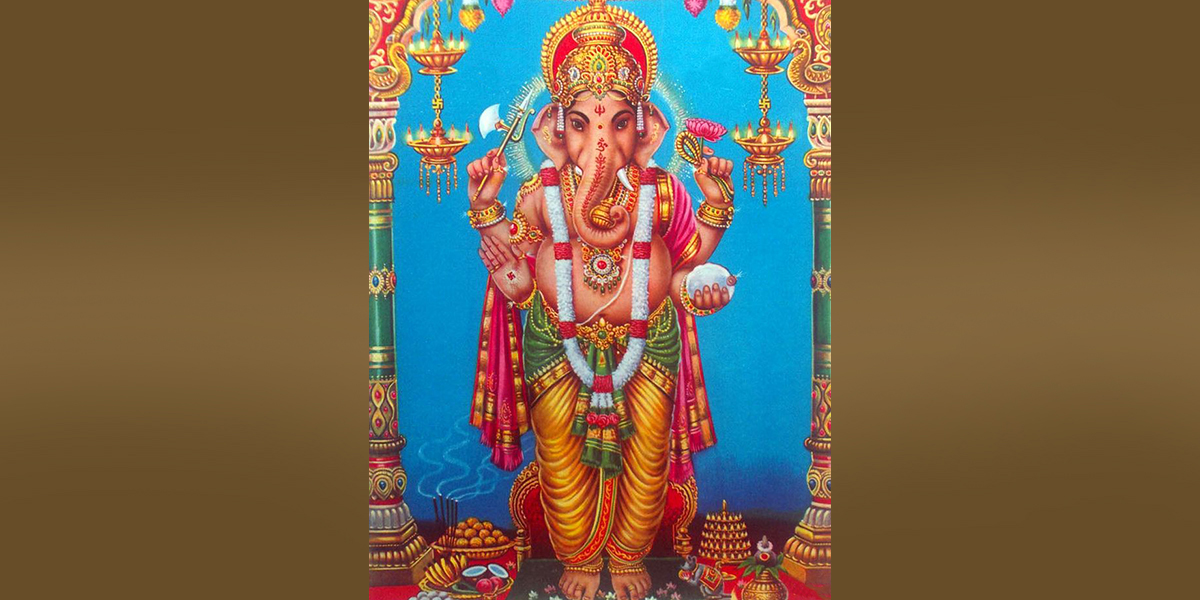
Aadi Pooram 2026

Aadi Pooram (ஆடி பூரம் in Tamil; additionally known as Andal Jayanti, Hindi: आदि पूरम Aadi Pooram, Malayalam: ആടി പൂരം Aadi Pooram, Telugu: ఆడి పూరం Aadi Pooram, Kannada: ಆಡಿ ಪೂರ್ಮ Aadi Pooram, Bengali: আদি পূরম Aadi Puram) is an auspicious festival dedicated to Goddess Andal (ஆண்டாள்; additionally Goda Devi in Telugu, Kothai in Tamil, and considered an incarnation of Goddess Lakshmi). It is celebrated on the Pooram (Purva Phalguni) Nakshatra day in the Tamil month of Aadi (ஆடி; additionally Aashaadha in Sanskrit, Āshaadha in Hindi/Bengali, Ashada in Kannada/Telugu). In 2026, Aadi Pooram falls on 14 August 2026.

This festival is highly significant in Tamil Nadu and among Tamil communities worldwide, where it is celebrated with devotion, grandeur, and cultural festivities. It is also observed in Goddess Shakti temples and Lord Vishnu temples across India and abroad, making it both a Vaishnavite and Shakta celebration.

Important Timings for Aadi Pooram 2026 (Ujjain, India)

Sunrise: 14 August 2026 – 6:06 AM
Sunset: 14 August 2026 – 6:56 PM
Pooram Nakshatra Begins: 14 August 2026 – 4:38 AM
Pooram Nakshatra Ends: 15 August 2026 – 3:42 AM
(Disclaimer: Based on astronomical data for Ujjain, India; slight variations possible.)

Malaysia / Singapore
Date: 14 August 2026
Approximate Sunrise: 7:09 AM
Approximate Sunset: 7:17 PM
(Disclaimer: Local times may vary slightly depending on location.)

New York, United States
Date: 14 August 2026
Approximate Sunrise: 6:04 AM
Approximate Sunset: 7:55 PM
(Disclaimer: Based on astronomical data; minor variations possible.)

Spiritual Significance of Aadi Pooram

Aadi Pooram is celebrated as the birthday of Goddess Andal, who is revered as one of the twelve Alvars (saints) of Tamil Nadu. She is regarded as an incarnation of Goddess Lakshmi, who descended to Earth to show humanity the path of pure devotion (bhakti). On this day, it is also believed that Goddess Shakti herself descends to Earth to bless devotees, making it sacred in both Vaishnavite and Shakta traditions.

The word “Aadi” refers to the fourth month of the Tamil calendar, while “Pooram” refers to one of the 27 Nakshatras in Hindu astrology. The alignment of Pooram Nakshatra in the month of Aadi is believed to carry divine vibrations that are highly auspicious for spiritual progress and prosperity.

The Story of Andal

According to legend, Andal was found as a baby in a Tulasi garden near the temple of Srivilliputhur (Tamil Nadu) by the temple priest, Periyalvar. He adopted her as his daughter. From childhood, Andal displayed deep devotion to Lord Vishnu, especially to Lord Ranganatha of Srirangam. She offered garlands of flowers to the deity daily, wearing them herself first before dedicating them to the Lord. Though initially frowned upon, Lord Vishnu accepted them with joy, signifying her deep spiritual connection.

Her devotion was immortalized in her compositions – Tiruppavai and Nachiyar Tirumozhi – which remain integral to Tamil devotional literature. Eventually, Andal merged into the sanctum of Lord Ranganatha in Srirangam, symbolizing the eternal union of the devotee with the divine.

Rituals and Traditions of Aadi Pooram

1. Morning Preparations: Devotees wake early, bathe, and clean their homes. Women decorate doorsteps with kolam (rangoli) and prepare offerings of kalkandu pongal (sweet rice) and other special dishes.
2. Temple Celebrations: In Vishnu temples, Goddess Andal is adorned in silk sarees, ornaments, and fresh garlands. Grand processions are conducted with deities carried on palanquins while devotees sing Andal’s hymns.
3. Marriage Ceremony: The highlight is the symbolic wedding of Goddess Andal with Lord Ranganatha, known as “Andal Kalyanam” or “Thirukalyanam.” This ritual is performed with grandeur in temples like Srivilliputhur Andal Temple and Srirangam Ranganathaswamy Temple.
4. Bangle Ceremony (Valaikappu): In Shakti temples, glass bangles are offered to Goddess Andal and later distributed to devotees, especially married and pregnant women. Wearing these bangles is believed to bless couples with fertility and protect unborn children.
5. Reading of Scriptures: Devotees recite Andal’s Tiruppavai and chant the Lalitha Sahasranama, invoking divine blessings for health, prosperity, and happiness.
6. Community Feasting: Food offered in temples is distributed as prasadam, turning the celebration into a shared community event that strengthens cultural bonds.

Step-by-Step Daily Routine for Aadi Pooram

1. Early Morning (4:30 AM – 6:30 AM): Perform household cleaning, prepare kolam, and set up a sacred altar for Goddess Andal.
2. Morning Pujas (6:30 AM – 9:00 AM): Offer flowers, fresh garlands, fruits, and kalkandu rice to the Goddess. Visit temples for early darshan.
3. Midday Rituals (10:00 AM – 1:00 PM): Attend Andal Kalyanam processions and rituals. Participate in reciting Andal’s hymns.
4. Afternoon (1:00 PM – 4:00 PM): Community feasting, prasadam distribution, and temple cultural programs like devotional music and dance.
5. Evening Pujas (5:00 PM – 7:00 PM): Special aarti is performed with lamps, devotional songs, and offerings. Married women seek blessings for family prosperity, while unmarried girls pray for suitable life partners.
6. Night (7:30 PM onwards): Cultural activities, devotional singing, and the reading of Tiruppavai continue until the temple closes.

Cultural, Historical, and Scientific Dimensions

Aadi Pooram has been celebrated for centuries, especially during the rule of the Pandya and Chola dynasties, who patronized Andal temples. Andal’s poetry embodies the essence of devotion and continues to inspire millions across generations. From a cultural perspective, the festival unites Vaishnavite and Shakta traditions, reflecting India’s inclusive spirituality.

Scientifically, rituals like community feasting and distribution of bangles supported social bonding, women’s welfare, and holistic health. The timing of Aadi Pooram also coincides with seasonal changes that bring renewed agricultural cycles, linking devotion with ecology and sustainable living.

Future Dates of Aadi Pooram

2025: 28 July
2026: 14 August
2027: 5 August
2028: 25 July
2029: 12 August
2030: 2 August

August 2025

Notes.

Aadi Perukku 2026

Aadi Perukku (ஆடி பெருக்கு in Tamil; additionally known as Aadi Padinettam Perukku, Hindi: आदि पर्व Aadi Parv, Malayalam: ആടി പെരുക്ക് Aadi Perukku, Telugu: ఆడి పెరుకు Aadi Peruku, Kannada: ಆಡಿ ಪೆರುಕ್ಕು Aadi Perukku, Bengali: আদি পেরুক্কু Aadi Perukku) is a sacred Tamil festival that venerates water, fertility, and nature’s abundance. It is observed on the eighteenth day (Padinettu in Tamil meaning “eighteen”) of the Tamil month of Aadi (ஆடி; additionally Aashaadha in Sanskrit, Āshādh in Hindi/Bengali, Āshaada in Kannada, Āshada in Telugu, Aadi in Malayalam/Tamil). In 2026, Aadi Perukku falls on 3 August 2026.

Other significant observances in the Tamil month of Aadi include Aadi Pooram (ஆடி பூரம்; dedicated to Goddess Andal) on 28 July 2026 and Aadi Karthigai (ஆடி கார்த்திகை; dedicated to Lord Murugan) on 7 August 2026. Aadi Amavasya (ஆடி அமாவாசை; New Moon Day) is observed on 12 August 2026.

Meaning and Cultural Significance

Aadi Perukku symbolises gratitude to the life-sustaining force of water. The sacred river Cauvery (காவேரி; additionally Kaveri in Kannada, Kaviri in Telugu, Cauvery Amman in Tamil) holds prime significance. This festival is celebrated by families and farming communities as thanksgiving for rainfall, fertile soil, and good harvests. It marks the harmonious balance between spirituality and ecology, blending reverence with sustainable practices such as water conservation, soil enrichment, and biodiversity awareness.

Scientifically, Aadi Perukku aligns with the South Indian monsoon season. Heavy rains during this period swell rivers, recharge groundwater, and rejuvenate reservoirs. The rituals and offerings to rivers and water bodies historically reinforced the cultural importance of natural resource management, making this festival both spiritual and ecological in nature.

Traditional Rituals and Practices

On this day, families gather along rivers, lakes, and ponds to worship water as the embodiment of divinity. Offerings are made to Goddess Parvati (பார்வதி; additionally Shakti, Durga, Amman in other Indian languages) and to river goddesses. Devotees prepare and share varieties of kalandha sadham (mixed rice dishes) such as lemon rice, coconut rice, tamarind rice, curd rice, puliyodarai, sweet pongal, and bahala sadham (curd rice with spices). These are offered to the river before being distributed as prasadam (sacred food).

Lamps made of rice flour and jaggery, decorated with turmeric, yellow threads, and flowers, are floated on the river. Women wear new clothes and perform abhishekam (ritual bathing) to Cauvery Amman. Unmarried girls offer Kaapparisi (sweet mixture of jaggery and hand-pounded rice), Karugamani (black beads), and Kaadholai (palm-leaf earrings) with the belief that they will be blessed with good life partners. Married women pray for family prosperity and longevity of their husbands.

Some households invite sons-in-law and present them with new clothes, while newly married women, who traditionally spend the month of Aadi at their parental home, may have a gold coin added to their thali (mangalsutra) as a blessing of prosperity and good fortune.

Step-by-Step Routine for Aadi Perukku

1. Early Morning: Wake before sunrise, clean the household, and wear traditional clothes. Women prepare offerings and decorate homes with kolam (rangoli).
2. Morning Sunrise Ritual: Proceed to nearby rivers, ponds, or water tanks at sunrise. Perform prayers with flowers, turmeric, sandal paste, and sacred grains.
3. Mid-Morning: Offer varieties of mixed rice to the river goddess. Float lamps on the water. Families take a holy dip in the river.
4. Afternoon: Distribute prasadam among family and community members. Children and elders engage in folk songs, games, and storytelling.
5. Evening: Women perform special pujas to Goddess Parvati at home. Lamps are lit, and prayers are offered for prosperity.
6. Night: Community gatherings with devotional singing, traditional dances, and sharing of food continue until late evening.

Important Timings for Aadi Perukku 2026

Ujjain, India
Date: 3 August 2026
Approximate Sunrise: 6:02 AM
Approximate Sunset: 7:03 PM
(Disclaimer: Based on astronomical data for Ujjain; slight variations possible.)

Malaysia / Singapore
Date: 3 August 2026
Approximate Sunrise: 7:08 AM
Approximate Sunset: 7:21 PM
(Disclaimer: Local sunrise/sunset times vary slightly depending on exact location.)

New York, United States
Date: 3 August 2026
Approximate Sunrise: 5:53 AM
Approximate Sunset: 8:11 PM
(Disclaimer: Based on astronomical data for New York; minor variations may occur.)

Spiritual, Historical, and Scientific Dimensions

The Tamil month of Aadi is considered spiritually intense, a time for devotion, meditation, and strengthening family bonds. Weddings and housewarming ceremonies are generally avoided during this month, but divine rituals flourish. Historical references in Sangam literature, as well as inscriptions from Chola and Pandya periods, highlight Aadi Perukku as both a cultural and ecological festival that safeguarded agrarian society through reverence for water resources.

From a modern ecological perspective, the practices of Aadi Perukku resonate with sustainable development goals: conservation of water, soil, and biodiversity. Communities are reminded of the finite nature of resources and the interdependence of human life with ecosystems. Thus, Aadi Perukku bridges ancient spirituality with contemporary environmental consciousness.

Future Dates of Aadi Perukku

2025: 3 August
2026: 3 August
2027: 3 August
2028: 2 August
2029: 2 August
2030: 3 August

Balarama Jayanti is celebrated across India as the birth anniversary of Lord Balarama, the elder brother of Lord Krishna. In many places it falls on Shravana Purnima (Shravan full-moon day, i.e. Purnima) and in other traditions it is observed on Akshaya Tritiya or during Vaisakha (April/May). In the northern states, it is also known as Hal Shashti (हल षष्ठी, “Hal Shashthi”(additionally)) or Lalahi Chhath (ललही छठ, “Lalahi Chhath”(additionally)). In the Braj region and Gujarat it is sometimes called Baladeva Chhath (बालदेव छठ, “Baladeva Chhath”(additionally)) or Randhan Chhath (रन्धन छठ, “Randhan Chhath”(additionally)).

Lord Balarama (बालराम, “Balarama”(additionally)) is considered an expansion of Lord Krishna, and devotees worship him on this day seeking physical strength, health, and spiritual upliftment. In many traditions he is associated with agriculture (symbolized by the plough) and is revered as a deity who supports dharma (righteousness).

Temples dedicated to Krishna-Balarama across India celebrate this festival with grand rituals, including Panchamrita abhisheka (holy bath with milk, honey, ghee, curd, sugar), floral decoration, bhajans, kirtans, offerings (bhog) and distribution of prasadam. Devotees often fast (vrat) until a prescribed time and engage in devotional singing, story recitations, and meditation.

Timing and Date for Ujjain, India

For 2026, Balarama Jayanti (Hal Shashti) in Ujjain is observed on 2 September 2026 (Wednesday). Key timings (IST, Ujjain):
– Sunrise: 06:13 AM
– Sunset: 06:40 PM
– Shashthi Tithi begins: 06:13 AM on 2 September
– Shashthi Tithi ends: 04:26 AM on 3 September

For 2025, Balarama Jayanti coincides with Shravana Purnima on 9 August 2025 (Saturday). The Purnima (full moon) tithi begins 02:12 PM on 8 August and ends 01:24 PM on 9 August. In some regions, Hal Shashti observance will fall on 14 August 2025 (Thursday). In Ujjain, the convention of Shravana Purnima is generally followed.

Timing Conversion for Malaysia / Singapore & New York (USA)

Malaysia / Singapore (MYT / SGT, UTC+8)
To approximate from IST (UTC+5:30): add 2.5 hours.
06:13 AM IST ≈ 08:43 AM MYT/SGT
06:40 PM IST ≈ 09:10 PM MYT/SGT

New York, USA (ET, UTC-4 during daylight)
To approximate from IST: subtract 9.5 hours.
06:13 AM IST ≈ 08:43 PM (previous day) ET
06:40 PM IST ≈ 09:10 AM ET (same day)

These conversions are approximate; for precise timings local astrological panchang or calculators should be consulted.

More In-Depth Understanding & Scientific Perspective

The Hindu lunar calendar is based on the moon’s phases (tithi). Purnima (full-moon day) is when the moon is fully illuminated, corresponding astronomically to the syzygy alignment of Sun, Earth, and Moon. In many Vaishnava traditions, the birth of Balarama is fixed to the Purnima of Shravana, as per ancient scriptural and astrological calculations. Over centuries, due to regional calendar differences, some regions shift the commemoration to Sashti (the 6th lunar day), especially in the Bhadrapada month (this is called Hal Shashti).

Spiritually, Balarama is believed to manifest the principle of strength, steadiness, and support — qualities necessary to sustain life, agriculture, and dharma. From a symbolic viewpoint, his association with the plough (hal) resonates with agrarian cycles; worshipping tools of agriculture signifies respect for natural forces, soil, and sustenance. The festival also aligns with later monsoon months in many regions, crucial for harvesting and fertility.

From a community psychology lens, collective fasting, singing, and shared prasad build social cohesion, emotional resilience, and shared identity. Moreover, fasting and ritual purification (bathing, abstaining from certain foods) have mild physiological effects which ancient traditions harnessed for spiritual discipline.

Step-by-Step Ritual Schedule for Balarama Jayanti (Hal Shashti) – Morning to Night

  1. Pre-dawn / Early Morning (Brahma Muhurta): Wake up before sunrise. Perform a cleansing bath. Purify the temple or puja area.
  2. Sunrise Rituals: At or just after sunrise, offer abhisheka (bathing) to the deities (Krishna & Balarama) using panchamrita. Decorate idols with fresh cloth, garlands, and incense.
  3. Morning Puja & Chanting: Perform puja, chant mantras (e.g. “Om Balabhadrapriyaya Namah”, “Om Balaramaya Namah”), sing bhajans, and recite stories of Balarama from sacred texts.
  4. Midday Vrat / Fasting: Many devotees fast until noon or a set muhurta. Only water or permitted liquids may be consumed.
  5. Offering Bhog & Prasadam: Prepare satvik (pure) food such as kheer, fruits, and rice. Offer to the deity, then share as prasadam.
  6. Afternoon / Evening Devotions: Continue chanting, singing, and performing arati (lamp ceremony) at dusk.
  7. Sunset & Closing Rituals: After sunset, conclude with arati, lamp offerings, and distribute prasadam.
  8. Optional Night Programme: Many temples hold devotional singing, storytelling, or community gatherings into the evening.

Future Balarama Jayanti / Hal Shashti Dates (2025–2030)

2025: 14 August (Thursday)
2026: 02 September (Wednesday)
2027: 23 August (Monday)
2028: 11 August (Friday)
2029: 30 August (Thursday)
2030: 19 August (Monday)

If following Shravana Purnima tradition, Balarama Jayanti in 2025 falls on 9 August (Saturday). The Purnima tithi ends at 1:24 PM on 9 August. It is advisable to verify annually with a local Ujjain panchang for accurate muhurta.

Aja Ekadashi (अज एकादशी / ਅਜ ਏਕਾਦਸੀ / അജ ഏകാദ്ശി / అజ ఏకాద్శి / ಅಜ ಏಕಾದಶಿ / আজ একাদশী) is a revered Ekadashi observed during the Krishna Paksha (waning moon period) of the Hindu month of Bhadrapada (भाद्रपद / भाद्रपद / भाद्रपद in North India). In some regions using the Amanta calendar, it corresponds to Shravana (श्रावण) month. It is also known as Annada Ekadashi (अन्नदा / அன்னதா / अन्नदा) and is dedicated to Lord Vishnu (विष्णु / விஷ்ணு / വിശ്ണു) and his consort Goddess Lakshmi (लक्ष्मी / லக்க்ஷ்மி / ലക്സ്മി).

Important Timing for Aja Ekadashi 2026 (Ujjain, India)
Ekadashi Tithi begins: 7 September 2026 at 7:29 PM
Ekadashi Tithi ends: 8 September 2026 at 5:04 PM
Parana (fast breaking) time: 8 September 2026, 6:15 AM – 8:42 AM
Sunrise: ~ 6:14 AM
Sunset: ~ 6:35 PM
(The above is in Indian Standard Time for Ujjain, based on Panchang sources)

Vrat Katha (Vrat Katha for Aja Ekadashi)
King Yudhishthira asked: “O Janardana, please tell me about the Ekadashi in Bhadra Krishna Paksha.” Shri Krishna replied: “This Ekadashi is called Aja Ekadashi. Whoever observes strict fasting, stays awake at night, and worships Lord Vishnu on this day will have all their sins destroyed; no other Ekadashi equals its virtue.” Then he narrates how King Harishchandra, by observing this vow, regained his son and kingdom despite severe trials. This story conveys that sincere devotion and sacrifice on Aja Ekadashi lead to both material and spiritual redemption.

Rituals & Observances
• On Dashami (10th day) before Ekadashi, devotees adopt a sattvic diet to purify body & mind.
• Early morning on Ekadashi day, take a cleansing bath using mud and sesame seeds.
• Clean the puja space thoroughly; place rice and a sacred Kalash (pot) with red cloth covering its mouth.
• Place an idol or image of Lord Vishnu above the Kalash and offer flowers, fruits, incense, and a ghee lamp (deepa).
• Observe strict nirjala fast (no food or water) throughout the Ekadashi day. Exceptions allowed for ill or children (they may take fruits).
• Recite Vishnu Sahasranama, Bhagavad Gita, or other Vishnu stotras; maintain vigil and meditation through the night.
• On Dwadashi (12th day), break the fast (Parana) in the morning between 6:15 AM and 8:42 AM, offering food first to a Brahmin and then sharing with family. Avoid brinjal (eggplant) on Dwadashi.

Significance
Aja Ekadashi is considered one of the most powerful fasts. Scripture describes that observing it cleanses all sins, akin to performing the Ashwamedha Yajna. King Harishchandra’s story exemplifies the power of truth, sacrifice, and devotion. Spiritually, it encourages control over senses (indriya nigraha), courage in austerity, and trust in divine grace. The full moon of devotion to Vishnu is a recurring theme in Puranic lore.

Step-by-Step Daily Ritual Flow
1. Pre-sunset previous day: switch to simple diet, mentally prepare.
2. Early morning: wake before dawn, bath, purify the space.
3. Place Kalash and image of Vishnu, begin worship with lamp, flowers, incense.
4. Throughout day: maintain fast, chant Vishnu stotras, avoid idle talk and negativity.
5. Night: vigil, mantra japa, meditation, reading of Vrat Katha.
6. Dwadashi morning: perform Parana between 6:15–8:42 AM, after offering food to a Brahmin.
7. Eat prasadam and resume normal food gradually.

Time Conversions & Observance Elsewhere
Malaysia / Singapore:
Devotees observe the same date (7–8 September). Convert Ujjain parana window (6:15–8:42 AM IST) to local time (UTC+8).
New York, USA:
Due to time zone shift, Ekadashi Tithi begins evening of 7 September IST, extending into night in New York local time. Parana roughly corresponds to early evening in New York local time—devotees should consult a local Panchang or convert from IST window carefully.

Future Aja Ekadashi Dates (2025–2030)
2025 – 19 August
2026 – 7 September
2027 – 28 August
2028 – 16 August
2029 – 4 September
2030 – 24 August

Amavasai, Amavasya Viratham (Vrat) 2025 • Significance of Amavasya

Meaning of Amavasya
Amavasai, Amavasya Viratham (Vrat). Amavasya (Sanskrit: अमावस्या) literally means “no moon” — “a” (negation) + “ma” (moon) + “vasya” (to dwell). In many Indian languages, it is known as Amavasya (Hindi: अमावस्या Amāvāsyā; Tamil: அமாவாசை Amāvācai; Telugu: అమావాస్య Amāvāsya; Kannada: ಅಮಾವಾಸ್ಯ Amāvāsya; Malayalam: ആമാവാസ്യം Āmāvāsyam; Bengali: অমাবস্যা Amābasyā). It marks the lunar phase when the Moon is not visible in the sky.

Importance of Amavasya
Amavasya is considered an auspicious time for spiritual practices, ancestral rites (श्राद्ध – Śrāddha), remembrance of departed souls, and introspection. Many significant fasts, rituals, and festivals (e.g. Diwali’s Lakshmi Puja) fall on Amavasya days. Somvati Amavasya (when Amavasya coincides with Monday) is especially revered.

The day of Amavasya is held in reverence by many and is believed to be the most auspicious day to offer shraddh and pay homage to one's ancestors, especially dead parents.

Some of the most popular observances and important Amavasya dates are Mauni Amavasya, Shani Jayanti, Vat Savitri Vrat, Bhaumvati Amavasya, Lakshmi puja (Diwali), Hariyali Amavasya, Mahalaya Amavasya (Pitru Paksha).

Of all the Amavasya days, an Amavasya falling on Monday Somavara (Somvara) is considered most auspicious. Know as Somvati Amavasya, fasting and observing Viratham (Vrat) (Somvati Amavasya Vrat) on this day is considered most meritorious. Taking holy dip in waters of the sacred rivers like the Ganga, Yamuna, Krishna or Kaveri. On the day of Somvati Amavasya, 1000s of devotees throng religious places like Haridwar, Varanasi etc.

All Amavasya Dates in 2025 (for reference)

29 January
Amavasya Tithi Time: 28 January, 7:36 PM - 29 January, 6:05 PM
27 February
Amavasya Tithi Time: 27 February, 8:55 AM - 28 February, 6:14 AM
March 29
Amavasya Tithi Time: March 28, 7:55 PM - March 29, 4:27 PM
April 27
Amavasya Tithi Time: April 27, 4:50 AM - April 28, 1:01 AM
May 27
Amavasya Tithi Time: May 26, 12:12 PM - May 27, 8:32 AM
June 25
Amavasya Tithi Time: June 24, 7:00 PM - June 25, 4:01 PM
July 24
Amavasya Tithi Time: July 24, 2:29 AM - July 25, 12:41 AM
August 23
Amavasya Tithi Time: August 22, 11:56 AM - August 23, 11:36 AM
September 21
Amavasya Tithi Time: September 21, 12:17 AM - September 22, 1:24 AM
October 21
Amavasya Tithi Time: October 20, 3:45 PM - October 21, 5:55 PM
20 November
Amavasya Tithi Time: November 19, 9:44 AM - November 20, 12:17 PM
December 19
Amavasya Tithi Time: December 19, 4:59 AM - December 20, 7:13 AM

Step-by-Step Observance of Amavasya Vrat
1. Wake before sunrise; take a purifying bath and wear clean clothes.
2. Clean puja area and set up a small altar with idols or photos of ancestors, Goddess Lakshmi (लक्ष्मी), and Lord Vishnu (विष्णु).
3. Light an oil lamp, offer incense, flowers, and water; chant Mantras like the Mahamrityunjaya, Gayatri Mantra, or Shiva / Vishnu stotras.
4. Perform Śrāddha offerings or Tarpaṇa (water oblations) for departed ancestors — offering sesame seeds, black sesame, cooked rice, and water into flowing water body if possible.
5. Observe fast or at least partial restraint (avoid heavy food, non-vegetarian items).
6. Meditate, read scriptures like Bhagavad Gita, Srimad Bhagavatam, or Puranic stories.
7. At auspicious time (often after the tithi ends), break fast modestly and offer food first to a Brahmin or needy person.
8. In evenings or at dusk, perform final prayers and reflect on gratitude, karma, and purpose.

Symbolism & Scientific Perspective
• Amavasya represents the lunar cycle’s new beginning — though invisible, the Moon is poised to wax again. Spiritually it symbolizes renewal, inner silence, and letting go.
• Astrologically, the absence of Moon light is thought to reduce mental turbulence, making meditation and ancestral connection stronger.
• In terms of human physiology, fasting and ritual on a “no-moon” day can help detoxification and mental clarity, aligning body rhythms with lunar cycles.

Global Timing Notes
Malaysia / Singapore: Use local sunrise and sunset as reference; convert Amavasya tithi transitions from IST to UTC+8.
New York, USA: Because of time zone shift, the Amavasya tithi might begin late night or early morning previous day locally; devotees should consult a local Hindu calendar or Panchang for accurate timings.

Chaturthi Viratham (Chaturthi Vrat) • Vinayaka Chaturthi (Sanskrit: Ganesha Chaturthi or Vinayaka Chaturthi / Hindi: Vinayak Chaturthi)

The fourth day of the bright and dark half of the Moon in every lunar month of the Hindu calendar is called Chaturthi Tithi – the day to observe Chaturthi Viratham (Chaturthi Vrat). This day is dedicated to Lord Ganesh (Ganpati) and is traditionally observed by men. Shukla Paksha Chaturthi is celebrated as Vinayaka Chaturthi (Sanskrit: गणेश चतुर्थी, Hindi: गणेश चतुर्थी / Tamil: விநாயக சதுர்த்தி / Telugu: వినాయక చతుర్థి / Kannada: ವಿನಾಯಕ ಚತುರ್ಥಿ / Malayalam: വിനായക ചതുര്തി / Bengali: গণেশ চতুর্থী) after the full moon, and Krishna Paksha Chaturthi is observed as Sankashti Chaturthi.

Among all Chaturthi days, the one falling on the bright half of Bhadra (Bhadrapad) month is most popular and celebrated as Ganesh Chaturthi, the birthday of Lord Ganesh. Ganesh Chaturthi 2025 is on 27 August and Ganesh Visarjan will be on 6 September 2025.

Significance of Ganesh Chaturthi:
Ganesh Chaturthi commemorates the birth of Lord Ganesh, the God of Wisdom, Wealth, and Fortune. The festival symbolizes new beginnings and a fresh start. Worshipping Lord Ganesha is considered essential before any new venture, as His blessings remove obstacles, provide strength, and impart wisdom.

Step-by-Step Rituals and Daily Routine:
1. Morning: Wake early, take a bath, and wear clean clothes. Set up the Ganesh idol on a decorated altar.
2. Morning Puja: Begin with Pranapratistha by chanting mantras to invoke life into the idol. Offer sandalwood paste, kumkum, flowers, and durva (tri-bladed grass).
3. Midday Puja (Madhyahna Kaal): Perform Ganesh Puja from 11:13 AM - 1:43 PM on 27 August 2025, offering 21 modaks and 21 durvas.
4. Avoid Moon Sighting: From 9:28 AM - 9:08 PM on 27 August, 2025, avoid looking at the Moon to prevent inauspicious results.
5. Evening: Recite Ganesh mantras such as "श्री वक्रतुण्ड महाकाय सूर्य कोटी समप्रभा निर्विघ्नं कुरु मे देव सर्व-कार्येशु सर्वदा॥" Offer prasad and participate in devotional songs.
6. End of Festival: On Ganesh Visarjan day (6 September 2025), perform the immersion ceremony with proper rituals, offering coconuts, flowers, and sweets in a procession.

Important Timings (Ujjain, India) on Ganesh Chaturthi 2025:
Sunrise: 27 August, 6:11 AM
Sunset: 27 August, 6:45 PM
Chaturthi Tithi Timings: 26 August, 1:55 PM - 27 August, 3:44 PM
Madhyahna Ganesh Puja: 11:13 AM - 1:43 PM
Time To Avoid Moon Sighting: 9:28 AM - 9:08 PM
Place: Ujjain, India

Ganesh Chaturthi Festival Dates 2025 (Chaturthi Viratham / Chaturthi Vrat):
January 3 – 03 January, 1:08 AM - 03 January, 11:40 PM
February 1 – 01 February, 11:38 AM - 02 February, 9:14 AM
March 3 – 02 March, 9:02 PM - 03 March, 6:02 PM
April 1 – 01 April, 5:42 AM - 02 April, 2:32 AM
May 1 – 30 April, 2:12 PM - 01 May, 11:24 AM
May 30 – 29 May, 11:18 PM - 30 May, 9:23 PM
June 28 – 28 June, 9:54 AM - 29 June, 9:15 PM
July 28 – 27 July, 10:42 PM - 28 July, 11:24 PM
August 27 – 26 August, 1:55 PM - 27 August, 3:44 PM
September 25 – 25 September, 7:06 AM - 26 September, 9:33 AM
October 25 – 25 October, 1:20 AM - 26 October, 3:48 AM
November 24 – 23 November, 7:25 PM - 24 November, 9:22 PM
December 24 – 23 December, 12:13 PM - 24 December, 1:11 PM

FAQs:

1: When is the Ganesh Sthapana Muhurtam (Muhurat) 2025?
- Ganesh Sthapana is done during the Madhyahna Kaal on the day of Ganesh Chaturthi. The Madhyahna Kaal Ganesh Puja will be from 11:13 AM - 01:43 PM on 27 August, 2025. The Ganesh Idol can be brought home when the Chaturthi Tithi begins at 26 August, 1:55 PM.

2: What are the differences between Ganesh Chaturthi and Ganesh Jayanti?
- Ganesh Chaturthi is celebrated on the Krishna Paksha Chaturthi of Bhadrapada month (Bhadrapada Vinayaka Chaturthi), and Ganesh Jayanti is observed during the Shukla Paksha Chaturthi of Magha month (Magha Sankashti Chaturthi). The Chaturthi Tithi falling on the Shukla Paksha of any month is called Sankashti Chaturthi, while the one falling on the Krishna Paksha is called Vinayaka Chaturthi (Sanskrit: गणेश चतुर्थी, Hindi: गणेश चतुर्थी / Tamil: விநாயக சதுர்த்தி / Telugu: వినాయక చతుర్థి / Kannada: ವಿನಾಯಕ ಚತುರ್ಥಿ / Malayalam: വിനായക ചതുര്തി / Bengali: গণেশ চতুর্থী). Both Ganesh Jayanti and Ganesh Chaturthi are celebrated as the birthday of Lord Ganesha, but the latter one is more widely recognized. Ganesh Jayanti marks the creation of Lord Ganesh by Goddess Parvati, whereas Ganesh Chaturthi signifies Lord Ganesha descending from Mount Kailash to visit his brother, Lord Karthikeya.

3: When should we avoid Moon sighting on Ganesh Chaturthi 2025?
- The Moon will rise at 27 August, 9:28 AM and set at 9:08 PM.
- According to ancient scriptures like Mudgala Purana, Skanda Purana, and Brahmanda Purana, Chandradev, the Lord of the Moon, once ridiculed Lord Ganesh’s appearance, provoking His anger. Lord Ganesh cursed Chandradev, causing him to disappear. After Chandradev apologized, Lord Ganesh modified the curse, decreeing that anyone who gazes at the Moon on Ganesh Chaturthi may face false accusations.

Ganesh Chaturthi Festival Dates between 2020 & 2030:
2020 – 22 August
2021 – 10 September
2022 – 31 August
2023 – 19 September
2024 – 7 September
2025 – 27 August
2026 – 14 September
2027 – 4 September
2028 – 23 August
2029 – 11 September
2030 – 1 September
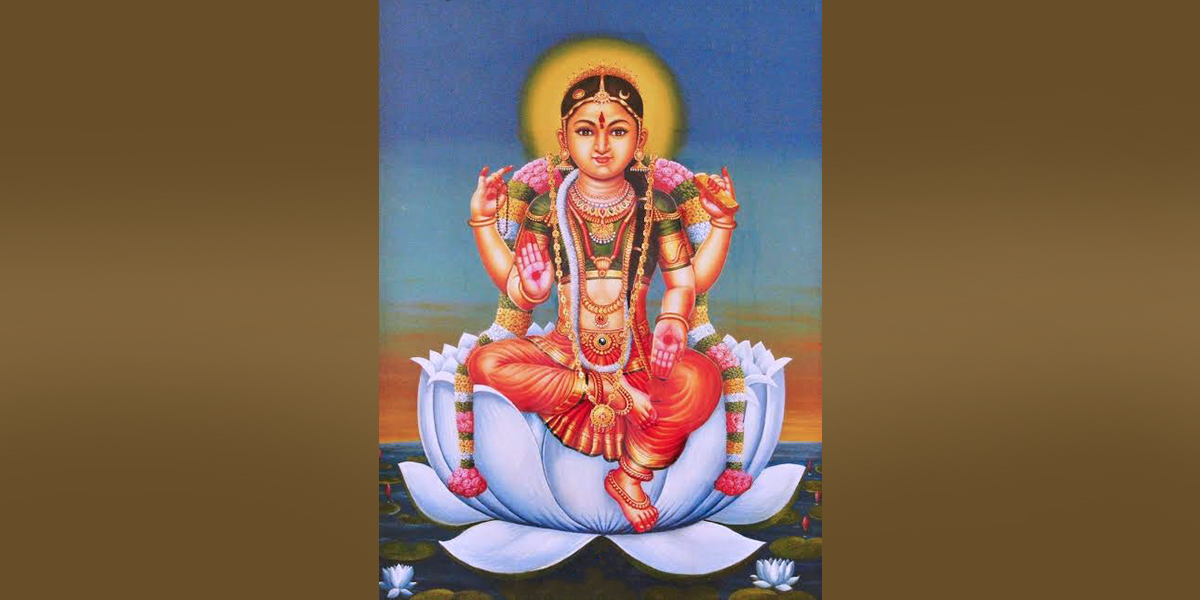
September 2025

Notes.

Amavasai, Amavasya Viratham (Vrat) 2025 • Significance of Amavasya

Meaning of Amavasya
Amavasai, Amavasya Viratham (Vrat). Amavasya (Sanskrit: अमावस्या) literally means “no moon” — “a” (negation) + “ma” (moon) + “vasya” (to dwell). In many Indian languages, it is known as Amavasya (Hindi: अमावस्या Amāvāsyā; Tamil: அமாவாசை Amāvācai; Telugu: అమావాస్య Amāvāsya; Kannada: ಅಮಾವಾಸ್ಯ Amāvāsya; Malayalam: ആമാവാസ്യം Āmāvāsyam; Bengali: অমাবস্যা Amābasyā). It marks the lunar phase when the Moon is not visible in the sky.

Importance of Amavasya
Amavasya is considered an auspicious time for spiritual practices, ancestral rites (श्राद्ध – Śrāddha), remembrance of departed souls, and introspection. Many significant fasts, rituals, and festivals (e.g. Diwali’s Lakshmi Puja) fall on Amavasya days. Somvati Amavasya (when Amavasya coincides with Monday) is especially revered.

The day of Amavasya is held in reverence by many and is believed to be the most auspicious day to offer shraddh and pay homage to one's ancestors, especially dead parents.

Some of the most popular observances and important Amavasya dates are Mauni Amavasya, Shani Jayanti, Vat Savitri Vrat, Bhaumvati Amavasya, Lakshmi puja (Diwali), Hariyali Amavasya, Mahalaya Amavasya (Pitru Paksha).

Of all the Amavasya days, an Amavasya falling on Monday Somavara (Somvara) is considered most auspicious. Know as Somvati Amavasya, fasting and observing Viratham (Vrat) (Somvati Amavasya Vrat) on this day is considered most meritorious. Taking holy dip in waters of the sacred rivers like the Ganga, Yamuna, Krishna or Kaveri. On the day of Somvati Amavasya, 1000s of devotees throng religious places like Haridwar, Varanasi etc.

All Amavasya Dates in 2025 (for reference)

29 January
Amavasya Tithi Time: 28 January, 7:36 PM - 29 January, 6:05 PM
27 February
Amavasya Tithi Time: 27 February, 8:55 AM - 28 February, 6:14 AM
March 29
Amavasya Tithi Time: March 28, 7:55 PM - March 29, 4:27 PM
April 27
Amavasya Tithi Time: April 27, 4:50 AM - April 28, 1:01 AM
May 27
Amavasya Tithi Time: May 26, 12:12 PM - May 27, 8:32 AM
June 25
Amavasya Tithi Time: June 24, 7:00 PM - June 25, 4:01 PM
July 24
Amavasya Tithi Time: July 24, 2:29 AM - July 25, 12:41 AM
August 23
Amavasya Tithi Time: August 22, 11:56 AM - August 23, 11:36 AM
September 21
Amavasya Tithi Time: September 21, 12:17 AM - September 22, 1:24 AM
October 21
Amavasya Tithi Time: October 20, 3:45 PM - October 21, 5:55 PM
20 November
Amavasya Tithi Time: November 19, 9:44 AM - November 20, 12:17 PM
December 19
Amavasya Tithi Time: December 19, 4:59 AM - December 20, 7:13 AM

Step-by-Step Observance of Amavasya Vrat
1. Wake before sunrise; take a purifying bath and wear clean clothes.
2. Clean puja area and set up a small altar with idols or photos of ancestors, Goddess Lakshmi (लक्ष्मी), and Lord Vishnu (विष्णु).
3. Light an oil lamp, offer incense, flowers, and water; chant Mantras like the Mahamrityunjaya, Gayatri Mantra, or Shiva / Vishnu stotras.
4. Perform Śrāddha offerings or Tarpaṇa (water oblations) for departed ancestors — offering sesame seeds, black sesame, cooked rice, and water into flowing water body if possible.
5. Observe fast or at least partial restraint (avoid heavy food, non-vegetarian items).
6. Meditate, read scriptures like Bhagavad Gita, Srimad Bhagavatam, or Puranic stories.
7. At auspicious time (often after the tithi ends), break fast modestly and offer food first to a Brahmin or needy person.
8. In evenings or at dusk, perform final prayers and reflect on gratitude, karma, and purpose.

Symbolism & Scientific Perspective
• Amavasya represents the lunar cycle’s new beginning — though invisible, the Moon is poised to wax again. Spiritually it symbolizes renewal, inner silence, and letting go.
• Astrologically, the absence of Moon light is thought to reduce mental turbulence, making meditation and ancestral connection stronger.
• In terms of human physiology, fasting and ritual on a “no-moon” day can help detoxification and mental clarity, aligning body rhythms with lunar cycles.

Global Timing Notes
Malaysia / Singapore: Use local sunrise and sunset as reference; convert Amavasya tithi transitions from IST to UTC+8.
New York, USA: Because of time zone shift, the Amavasya tithi might begin late night or early morning previous day locally; devotees should consult a local Hindu calendar or Panchang for accurate timings.

Agrasen Jayanti (additionally: अग्रसेन जयंती – Agrasen Jayanti in Hindi; அகர்சேன் ஜெயந்தி – Agarsēṉ Jayaṉti in Tamil; അഗ്രസേൻ ജയന്തി – Agrasēn Jayanti in Malayalam; అగ్రసేన్ జయంతి – Agrasēn Jayanti in Telugu; ಅಗ್ರಸೇನ್ ಜಯಂತಿ – Agrasēn Jayanti in Kannada; অগ্রসেন জয়ন্তী – Agrosen Jayanti in Bengali) is a significant cultural and spiritual day observed annually by the Agrahari and Agrawal communities across India and abroad. This day commemorates the birth anniversary of Maharaja Agrasen, the legendary ruler of Agroha, who is venerated as a symbol of equality, compassion, and social harmony. The observance occurs on the ‘Ekam’ (1st day) of the Shukla Paksha (waxing moon fortnight) in the Hindu month of Ashwin (अश्विन – Ashwin), corresponding to September or October in the Gregorian calendar. The festival is especially celebrated in states such as Uttar Pradesh, Haryana, Rajasthan, Delhi, and Madhya Pradesh where Agrawal and Agrahari families have strong historical roots.

Agrasen Jayanti 2025 falls on 22 September (Monday).
Important timings for Ujjain, India are:
Sunrise: 6:19 AM
Sunset: 6:19 PM
Pratipada Tithi: begins 22 September at 01:24 AM and ends 23 September at 02:56 AM

Significance of Agrasen Jayanti
Maharaja Agrasen is remembered as a just and visionary king who rejected violence and promoted trade, industry, and social justice. According to legends, Lord Shiva guided him to worship Goddess Lakshmi (लक्ष्मी – Lakshmi) through penance. Pleased with his devotion, she blessed him and advised him to encourage his people toward trade and business, ensuring wealth and prosperity for generations. This divine instruction became the foundation of the Agrahari and Agrawal communities’ strong presence in commerce. Agrasen Jayanti thus symbolizes prosperity, equality, and collective welfare. It is also believed that Maharaja Agrasen established the principle of supporting community members by contributing one brick and one coin for every new family, which fostered unity and social solidarity.

Step-by-Step Observance of Agrasen Jayanti
1. Morning: Families wake up early, take a ritual bath, and wear traditional attire. Devotees visit temples dedicated to Goddess Lakshmi and their family deities (Kuldevi) to offer prayers.
2. Special pujas are performed for Maharaja Agrasen, often including recitation of devotional hymns and stories about his life to inspire younger generations.
3. Afternoon: Community gatherings and cultural programs take place. Large processions (Shobha Yatras – शोभा यात्रा) are organized with decorated chariots carrying portraits and idols of Maharaja Agrasen and his lineage. These yatras move through important streets accompanied by devotional music and traditional dances.
4. Evening: Community service (Seva – सेवा) is considered essential. Free food distribution (Bhandara – भंडारा), medical camps, and charity activities are conducted to uphold Maharaja Agrasen’s values of equality and service.
5. Social and cultural programs highlighting Maharaja Agrasen’s teachings are performed. Plays, musical performances, and lectures remind the community of his principles.
6. Night: Families gather together for collective prayers at home, light lamps for Goddess Lakshmi, and prepare traditional festive meals. Many initiate new business ventures or financial planning on this day as it is believed to bring long-term prosperity.

Scientific and Cultural Perspective
From an astronomical viewpoint, Agrasen Jayanti occurs with reference to the lunar calendar’s bright fortnight. The alignment of this date in the month of Ashwin often coincides with balanced day and night durations around the equinox, symbolizing equality, which reflects Maharaja Agrasen’s principles of fairness and justice. The choice of Pratipada Tithi highlights beginnings, making it spiritually significant for new ventures. Socially, the celebration reinforces unity among Agrawal and Agrahari communities, emphasizing cooperative economics and community support, concepts now widely appreciated in sustainable development models globally.

Time Zone Adjustments
For global devotees, approximate timings should be adjusted according to local sunrise and sunset. Below are conversions for 22 September 2025:
- Ujjain, India: Sunrise 6:19 AM, Sunset 6:19 PM (local time)
- Malaysia/Singapore: Sunrise around 7:04 AM, Sunset around 7:11 PM (local time, subject to slight regional variation)
- New York, USA: Sunrise around 6:41 AM, Sunset around 6:51 PM (local time, subject to variation based on daylight saving)

Future Agrasen Jayanti Dates (2025 – 2030)
2025 – 22 September
2026 – 11 October
2027 – 30 September
2028 – 19 September
2029 – 8 October
2030 – 28 September

Chaturthi Viratham (Chaturthi Vrat) • Vinayaka Chaturthi (Sanskrit: Ganesha Chaturthi or Vinayaka Chaturthi / Hindi: Vinayak Chaturthi)

The fourth day of the bright and dark half of the Moon in every lunar month of the Hindu calendar is called Chaturthi Tithi – the day to observe Chaturthi Viratham (Chaturthi Vrat). This day is dedicated to Lord Ganesh (Ganpati) and is traditionally observed by men. Shukla Paksha Chaturthi is celebrated as Vinayaka Chaturthi (Sanskrit: गणेश चतुर्थी, Hindi: गणेश चतुर्थी / Tamil: விநாயக சதுர்த்தி / Telugu: వినాయక చతుర్థి / Kannada: ವಿನಾಯಕ ಚತುರ್ಥಿ / Malayalam: വിനായക ചതുര്തി / Bengali: গণেশ চতুর্থী) after the full moon, and Krishna Paksha Chaturthi is observed as Sankashti Chaturthi.

Among all Chaturthi days, the one falling on the bright half of Bhadra (Bhadrapad) month is most popular and celebrated as Ganesh Chaturthi, the birthday of Lord Ganesh. Ganesh Chaturthi 2025 is on 27 August and Ganesh Visarjan will be on 6 September 2025.

Significance of Ganesh Chaturthi:
Ganesh Chaturthi commemorates the birth of Lord Ganesh, the God of Wisdom, Wealth, and Fortune. The festival symbolizes new beginnings and a fresh start. Worshipping Lord Ganesha is considered essential before any new venture, as His blessings remove obstacles, provide strength, and impart wisdom.

Step-by-Step Rituals and Daily Routine:
1. Morning: Wake early, take a bath, and wear clean clothes. Set up the Ganesh idol on a decorated altar.
2. Morning Puja: Begin with Pranapratistha by chanting mantras to invoke life into the idol. Offer sandalwood paste, kumkum, flowers, and durva (tri-bladed grass).
3. Midday Puja (Madhyahna Kaal): Perform Ganesh Puja from 11:13 AM - 1:43 PM on 27 August 2025, offering 21 modaks and 21 durvas.
4. Avoid Moon Sighting: From 9:28 AM - 9:08 PM on 27 August, 2025, avoid looking at the Moon to prevent inauspicious results.
5. Evening: Recite Ganesh mantras such as "श्री वक्रतुण्ड महाकाय सूर्य कोटी समप्रभा निर्विघ्नं कुरु मे देव सर्व-कार्येशु सर्वदा॥" Offer prasad and participate in devotional songs.
6. End of Festival: On Ganesh Visarjan day (6 September 2025), perform the immersion ceremony with proper rituals, offering coconuts, flowers, and sweets in a procession.

Important Timings (Ujjain, India) on Ganesh Chaturthi 2025:
Sunrise: 27 August, 6:11 AM
Sunset: 27 August, 6:45 PM
Chaturthi Tithi Timings: 26 August, 1:55 PM - 27 August, 3:44 PM
Madhyahna Ganesh Puja: 11:13 AM - 1:43 PM
Time To Avoid Moon Sighting: 9:28 AM - 9:08 PM
Place: Ujjain, India

Ganesh Chaturthi Festival Dates 2025 (Chaturthi Viratham / Chaturthi Vrat):
January 3 – 03 January, 1:08 AM - 03 January, 11:40 PM
February 1 – 01 February, 11:38 AM - 02 February, 9:14 AM
March 3 – 02 March, 9:02 PM - 03 March, 6:02 PM
April 1 – 01 April, 5:42 AM - 02 April, 2:32 AM
May 1 – 30 April, 2:12 PM - 01 May, 11:24 AM
May 30 – 29 May, 11:18 PM - 30 May, 9:23 PM
June 28 – 28 June, 9:54 AM - 29 June, 9:15 PM
July 28 – 27 July, 10:42 PM - 28 July, 11:24 PM
August 27 – 26 August, 1:55 PM - 27 August, 3:44 PM
September 25 – 25 September, 7:06 AM - 26 September, 9:33 AM
October 25 – 25 October, 1:20 AM - 26 October, 3:48 AM
November 24 – 23 November, 7:25 PM - 24 November, 9:22 PM
December 24 – 23 December, 12:13 PM - 24 December, 1:11 PM

FAQs:

1: When is the Ganesh Sthapana Muhurtam (Muhurat) 2025?
- Ganesh Sthapana is done during the Madhyahna Kaal on the day of Ganesh Chaturthi. The Madhyahna Kaal Ganesh Puja will be from 11:13 AM - 01:43 PM on 27 August, 2025. The Ganesh Idol can be brought home when the Chaturthi Tithi begins at 26 August, 1:55 PM.

2: What are the differences between Ganesh Chaturthi and Ganesh Jayanti?
- Ganesh Chaturthi is celebrated on the Krishna Paksha Chaturthi of Bhadrapada month (Bhadrapada Vinayaka Chaturthi), and Ganesh Jayanti is observed during the Shukla Paksha Chaturthi of Magha month (Magha Sankashti Chaturthi). The Chaturthi Tithi falling on the Shukla Paksha of any month is called Sankashti Chaturthi, while the one falling on the Krishna Paksha is called Vinayaka Chaturthi (Sanskrit: गणेश चतुर्थी, Hindi: गणेश चतुर्थी / Tamil: விநாயக சதுர்த்தி / Telugu: వినాయక చతుర్థి / Kannada: ವಿನಾಯಕ ಚತುರ್ಥಿ / Malayalam: വിനായക ചതുര്തി / Bengali: গণেশ চতুর্থী). Both Ganesh Jayanti and Ganesh Chaturthi are celebrated as the birthday of Lord Ganesha, but the latter one is more widely recognized. Ganesh Jayanti marks the creation of Lord Ganesh by Goddess Parvati, whereas Ganesh Chaturthi signifies Lord Ganesha descending from Mount Kailash to visit his brother, Lord Karthikeya.

3: When should we avoid Moon sighting on Ganesh Chaturthi 2025?
- The Moon will rise at 27 August, 9:28 AM and set at 9:08 PM.
- According to ancient scriptures like Mudgala Purana, Skanda Purana, and Brahmanda Purana, Chandradev, the Lord of the Moon, once ridiculed Lord Ganesh’s appearance, provoking His anger. Lord Ganesh cursed Chandradev, causing him to disappear. After Chandradev apologized, Lord Ganesh modified the curse, decreeing that anyone who gazes at the Moon on Ganesh Chaturthi may face false accusations.

Ganesh Chaturthi Festival Dates between 2020 & 2030:
2020 – 22 August
2021 – 10 September
2022 – 31 August
2023 – 19 September
2024 – 7 September
2025 – 27 August
2026 – 14 September
2027 – 4 September
2028 – 23 August
2029 – 11 September
2030 – 1 September
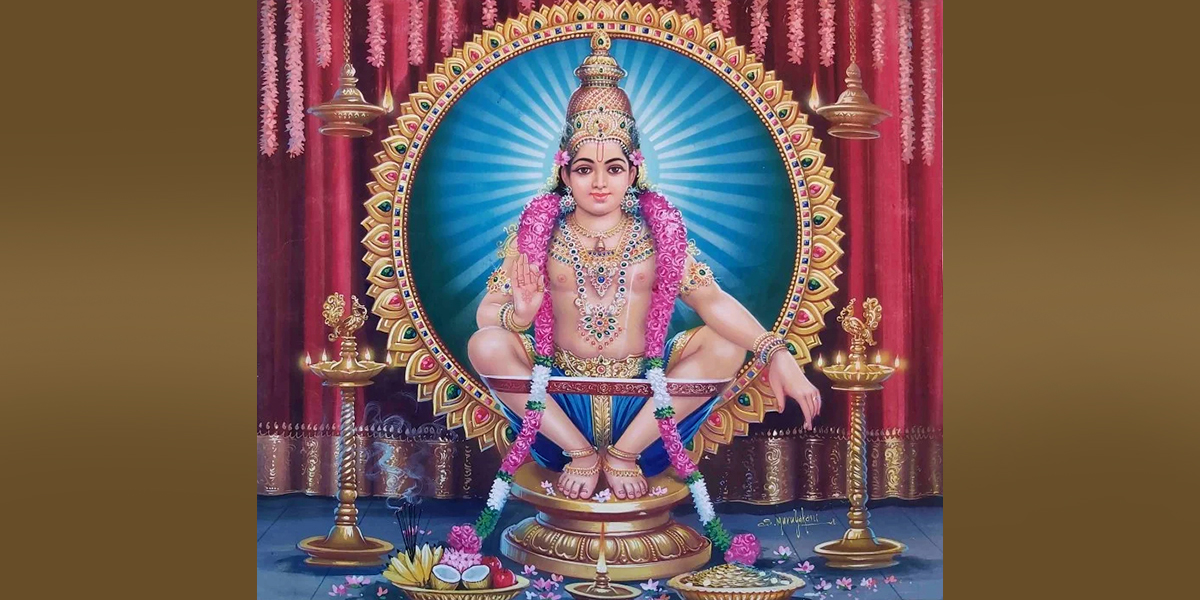
October 2025

Notes.

Ayudha Pooja (Ayudha Puja), Astra Pooja

Ayudha Pooja (additionally called ஆயுத பூஜை Ayudha Poojai in Tamil, ആയുധ പൂജ Ayudha Pooja in Malayalam, ఆయుధ పూజ Ayudha Pooja in Telugu, ಆಯುಧ ಪೂಜೆ Ayudha Pooje in Kannada, অস্ত্র পূজা Astra Puja in Bengali, आयुध पूजा Ayudh Pooja in Hindi, and also known as Astra Pooja in Sanskrit) is the traditional worship of tools, instruments, and weapons. It is observed on the ninth day (Navami Tithi) of the Navaratri (additionally called நவராத்திரி Navaraththiri in Tamil, നവരാത്രി Navaratri in Malayalam, నవరాత్రి Navaratri in Telugu, ನವರಾತ್ರಿ Navarathri in Kannada, নবরাত্রি Noboratri in Bengali, नवरात्रि Navratri in Hindi) festival. This day commemorates the worship of all instruments that sustain daily life, symbolizing the victory of good over evil and the recognition that knowledge, tools, and work are divine.

The significance of Ayudha Pooja is deeply rooted in mythology and tradition. After Goddess Durga (additionally called துர்க்கை Durkkai in Tamil, ദുർഗ്ഗാ Durga in Malayalam, దుర్గా Durga in Telugu, ದುರ್ಗಾ Durga in Kannada, দুর্গা Durga in Bengali, दुर्गा Durga in Hindi) defeated the demon Mahishasura following eight days of fierce battle, her weapons were consecrated and kept for worship. Similarly, in the Mahabharata, Arjuna retrieved his weapons from a Shami tree on the eve of Vijayadashami (additionally called বিজয়া দশমী Bijoya Dashami in Bengali, विजयदशमी Vijayadashami in Hindi, விஜயதசமி Vijayadasami in Tamil) and achieved victory in the Kurukshetra war. Hence, this ritual emphasizes honoring tools of livelihood and seeking divine blessings for their proper use.

Scientific and cultural perspective:
From a scientific and social standpoint, Ayudha Pooja reflects gratitude toward the material resources and technologies that sustain human life. Cleaning, decorating, and honoring tools instills discipline, respect, and mindfulness toward work. It also aligns with seasonal changes in India, occurring around autumn, when harvests are completed, and communities prepare for new beginnings.

Step-by-Step Rituals for Ayudha Pooja (1 October 2025 – Ujjain, India)

1. Early Morning (before sunrise – approx. 5:00 AM to 6:30 AM)
Devotees wake up early, bathe, and clean their homes. Tools, vehicles, instruments, and books are gathered, cleaned, and polished. This preparation phase represents purification and readiness for divine blessings.

2. Morning (6:30 AM to 10:00 AM)
Items such as ploughs, household utensils, vehicles, weapons, machinery, and musical instruments are placed on a decorated altar. Students also place their books and study materials to receive the blessings of Goddess Saraswati (additionally called சரஸ்வதி Saraswati in Tamil, സരസ്വതി Saraswati in Malayalam, సరస్వతి Saraswati in Telugu, ಸರಸ್ವತಿ Saraswati in Kannada, সরস্বতী Saraswati in Bengali, सरस्वती Saraswati in Hindi).

3. Late Morning Rituals (10:00 AM to 12:00 Noon)
A tilak of sandalwood paste and turmeric is applied to each tool or instrument. Fresh flowers, betel leaves, and fruits are offered. Bhajans (devotional songs) dedicated to Goddess Saraswati, Goddess Durga, and Goddess Lakshmi (additionally called लक्ष्मी Lakshmi in Hindi, லட்சுமி Lakshmi in Tamil, ലക്ഷ്മി Lakshmi in Malayalam, లక్ష్మి Lakshmi in Telugu, ಲಕ್ಷ್ಮೀ Lakshmi in Kannada, লক্ষ্মী Lokkhmi in Bengali) are sung.

4. Afternoon Vijaya Muhurta (02:14 PM – 03:01 PM)
The Vijaya Muhurta is considered highly auspicious for offering prayers. Devotees light lamps, perform aarti, and recite mantras seeking prosperity, wisdom, and protection. Vehicles are also decorated with garlands and kumkum, and in many regions, they are taken around the streets as part of processions.

5. Evening Sandhi Puja (06:37 PM – 07:25 PM)
The Sandhi Puja marks the transition between Ashtami and Navami Tithi. This period is believed to carry intense divine energy. Devotees light lamps, chant mantras, and meditate, invoking strength and clarity.

6. Night (after 8:00 PM)
After completing pujas, devotees share prasadam (offerings) such as sweets and fruits. Families dine together, symbolizing unity, prosperity, and blessings for new beginnings. Tools and books are left undisturbed until the next morning (Vijayadashami), when they are respectfully taken back into use.

Important Timings for Ayudha Pooja – 1 October 2025 (Ujjain, India)
Sunrise: 06:22 AM
Sunset: 06:10 PM
Navami Tithi: 30 September, 06:06 PM – 01 October, 07:01 PM
Sandhi Puja Muhurta: 01 October, 06:37 PM – 07:25 PM
Ayudha Pooja Vijaya Muhurta: 01 October, 02:14 PM – 03:01 PM

Global Timings for Reference

Malaysia / Singapore (01 October 2025)
Sunrise: approx. 06:58 AM
Sunset: approx. 07:03 PM
Devotees may align puja rituals within the same Muhurta periods adjusted to local sunrise and sunset timings. Disclaimer: Timings may vary slightly due to local astronomical calculations.

New York, United States (01 October 2025)
Sunrise: approx. 06:55 AM
Sunset: approx. 06:41 PM
As the Tithi and Muhurta follow lunar cycles, devotees adjust observance timings according to local sunrise and sunset, while spiritually connecting with Ujjain’s traditional schedule.

Future Dates of Ayudha Pooja (Ayudha Puja) / Astra Pooja

2025 – 1 October
2026 – 20 October
2027 – 9 October
2028 – 27 September
2029 – 15 October
2030 – 5 October

Ahoi Ashtami (additionally: अhoi अष्टमी – Ahoi Ashtami in Hindi; அஹோய் அஷ்டமி – Ahoi Ashtami in Tamil; അഹോയ് അഷ്ടമി – Ahoi Ashtami in Malayalam; అహోయ్ అష్టమి – Ahoi Ashtami in Telugu; ಅಹೊಯ್ ಅಷ್ಟಮಿ – Ahoi Ashtami in Kannada; অহোয় অষ্টমী – Ahoi Ashtami in Bengali) is a sacred Hindu observance primarily undertaken by mothers for the well-being, prosperity, and long life of their children. It is observed on the eighth day (Ashtami Tithi – अष्टमी तिथि) of the Krishna Paksha (dark fortnight of the waning moon) in the Hindu month of Kartika (कार्तिक – Kartik in Hindi; கார்த்திகை – Kārttigai in Tamil; കർത്തികം – Karthikam in Malayalam; కార్తీకం – Kartikam in Telugu; ಕಾರ್ತಿಕ – Kartika in Kannada; কার্ত্তিক – Kartik in Bengali). In regions following the Amanta calendar system such as Maharashtra, Gujarat, and southern states, it falls in the month of Ashwin (आश्विन – Ashwin). The day generally corresponds to mid-October or early November in the Gregorian calendar. It is observed eight days before the grand festival of Diwali and four days after Karwa Chauth (करवा चौथ – Karvā Chauth in Hindi).

Ahoi Ashtami 2025 falls on 13 October (Monday).
Important timings for Ujjain, India are:
Sunrise: 6:26 AM
Sunset: 5:59 PM
Ashtami Tithi: begins 13 October at 12:24 PM and ends 14 October at 11:10 AM
Moonrise: 13 October at 11:40 PM
Puja Muhurat (auspicious period): 13 October between 5:59 PM and 7:14 PM

Significance of Ahoi Ashtami
This observance holds immense emotional and cultural significance. On this day, mothers fast rigorously from sunrise to the appearance of stars, praying for the long life and prosperity of their children. It is widely believed that women who have suffered miscarriages or difficulty in conceiving can be blessed with children by performing Ahoi Mata puja with devotion. Because of this, the day is also connected with prayers for fertility and protection. In some traditions, the festival is known as Krishnashtami (कृष्णाष्टमी – Kṛṣṇāṣṭamī), highlighting its association with the dark fortnight. The practice is most widespread in northern India, especially in Uttar Pradesh, Haryana, Delhi, Rajasthan, Punjab, and Bihar, but devotees across the globe follow it with equal devotion. The festival is also marked by a holy dip in Radha Kund (राधा कुंड) at Mathura, where thousands of devotees gather to seek blessings.

Ahoi Ashtami Vrat Katha (Sacred Story)
According to legend, a moneylender’s wife accidentally killed a baby hedgehog while digging soil for household renovation in the Kartika month. Following this, all seven of her sons died one by one, believed to be due to the curse of the hedgehog’s mother. Grief-stricken, she confessed her sorrow to an elderly woman who advised her to worship Goddess Ahoi Mata by drawing her image along with the hedgehog and its young ones on the Ashtami day of Krishna Paksha. The woman followed the advice with deep repentance and devotion, and in due course, she was blessed with seven sons again. Since then, the observance of Ahoi Ashtami Vrat has been followed with faith by mothers for the protection and prosperity of their children.

Step-by-Step Observance of Ahoi Ashtami
1. Early Morning: Women wake up before sunrise, bathe, and take a Sankalp (संकल्प – solemn vow) to observe fasting for the welfare of their children.
2. They remain without food or even water (Nirjala Vrat – निर्जल व्रत) until the sighting of stars or moonrise, depending on regional traditions.
3. Afternoon Preparations: The place of worship is cleaned. An Alpana (decorative design) is drawn. A wall or paper is adorned with the image of Ahoi Mata, with eight corners (Ashta Koshthak – अष्ट कोश्ठक). The figure of the hedgehog (Sei – साही in Hindi) and its children is also drawn or represented.
4. A Karwa (earthen pot) filled with water is placed near the altar. Its spout is blocked with Sarai Seenka grass, which is later offered to Ahoi Mata.
5. Evening Puja: During Sandhya (संध्या – twilight), women assemble for puja. Offerings include roli (red powder), akshata (uncooked rice), milk, and flowers. In some households, a silver idol of Ahoi Mata called Syau (स्याऊ) is worshipped and later worn as a protective talisman threaded with silver beads.
6. The Ahoi Mata Vrat Katha is narrated collectively, reminding everyone of the power of repentance and blessings of the Goddess.
7. Traditional foods like puri, halwa, and pua are prepared. Eight pieces of each are offered to the Goddess and then distributed to elders or Brahmins.
8. Conclusion: The fast is broken after sighting the stars. In some regions, women wait for the late moonrise before ending the fast. An Aarti is performed to complete the puja, seeking blessings for the children’s health and long life.

Scientific and Cultural Perspective
The timing of Ahoi Ashtami during the waning phase of the moon in Kartika has symbolic relevance. Astronomically, the festival falls just before Diwali, a period of seasonal change when agricultural communities prepared for winter. The fasting and ritual discipline symbolized protection against uncertainties. From a psychological standpoint, the ritual fasting strengthens maternal bonds, reinforces hope, and creates community solidarity among women. The symbolism of stars and moonrise in breaking the fast signifies patience, perseverance, and alignment with natural cosmic cycles. Such rituals, though devotional, reflect ancient knowledge systems combining astronomy, seasonal transitions, and social health.

Time Zone Adjustments
For devotees worldwide, local sunrise, sunset, and moonrise timings should be followed. Approximate conversions for 13 October 2025 are:
- Ujjain, India: Sunrise 6:26 AM, Sunset 5:59 PM, Moonrise 11:40 PM
- Malaysia/Singapore: Sunrise around 6:57 AM, Sunset around 6:56 PM, Moonrise close to 12:25 AM (14 October)
- New York, USA: Sunrise around 7:07 AM, Sunset around 6:19 PM, Moonrise close to 12:10 PM (daytime visibility, adjusted for time zone)

Future Ahoi Ashtami Dates (2025 – 2030)
2025 – 13 October
2026 – 1 November
2027 – 22 October
2028 – 11 October
2029 – 30 October
2030 – 19 October

Amavasai, Amavasya Viratham (Vrat) 2025 • Significance of Amavasya

Meaning of Amavasya
Amavasai, Amavasya Viratham (Vrat). Amavasya (Sanskrit: अमावस्या) literally means “no moon” — “a” (negation) + “ma” (moon) + “vasya” (to dwell). In many Indian languages, it is known as Amavasya (Hindi: अमावस्या Amāvāsyā; Tamil: அமாவாசை Amāvācai; Telugu: అమావాస్య Amāvāsya; Kannada: ಅಮಾವಾಸ್ಯ Amāvāsya; Malayalam: ആമാവാസ്യം Āmāvāsyam; Bengali: অমাবস্যা Amābasyā). It marks the lunar phase when the Moon is not visible in the sky.

Importance of Amavasya
Amavasya is considered an auspicious time for spiritual practices, ancestral rites (श्राद्ध – Śrāddha), remembrance of departed souls, and introspection. Many significant fasts, rituals, and festivals (e.g. Diwali’s Lakshmi Puja) fall on Amavasya days. Somvati Amavasya (when Amavasya coincides with Monday) is especially revered.

The day of Amavasya is held in reverence by many and is believed to be the most auspicious day to offer shraddh and pay homage to one's ancestors, especially dead parents.

Some of the most popular observances and important Amavasya dates are Mauni Amavasya, Shani Jayanti, Vat Savitri Vrat, Bhaumvati Amavasya, Lakshmi puja (Diwali), Hariyali Amavasya, Mahalaya Amavasya (Pitru Paksha).

Of all the Amavasya days, an Amavasya falling on Monday Somavara (Somvara) is considered most auspicious. Know as Somvati Amavasya, fasting and observing Viratham (Vrat) (Somvati Amavasya Vrat) on this day is considered most meritorious. Taking holy dip in waters of the sacred rivers like the Ganga, Yamuna, Krishna or Kaveri. On the day of Somvati Amavasya, 1000s of devotees throng religious places like Haridwar, Varanasi etc.

All Amavasya Dates in 2025 (for reference)

29 January
Amavasya Tithi Time: 28 January, 7:36 PM - 29 January, 6:05 PM
27 February
Amavasya Tithi Time: 27 February, 8:55 AM - 28 February, 6:14 AM
March 29
Amavasya Tithi Time: March 28, 7:55 PM - March 29, 4:27 PM
April 27
Amavasya Tithi Time: April 27, 4:50 AM - April 28, 1:01 AM
May 27
Amavasya Tithi Time: May 26, 12:12 PM - May 27, 8:32 AM
June 25
Amavasya Tithi Time: June 24, 7:00 PM - June 25, 4:01 PM
July 24
Amavasya Tithi Time: July 24, 2:29 AM - July 25, 12:41 AM
August 23
Amavasya Tithi Time: August 22, 11:56 AM - August 23, 11:36 AM
September 21
Amavasya Tithi Time: September 21, 12:17 AM - September 22, 1:24 AM
October 21
Amavasya Tithi Time: October 20, 3:45 PM - October 21, 5:55 PM
20 November
Amavasya Tithi Time: November 19, 9:44 AM - November 20, 12:17 PM
December 19
Amavasya Tithi Time: December 19, 4:59 AM - December 20, 7:13 AM

Step-by-Step Observance of Amavasya Vrat
1. Wake before sunrise; take a purifying bath and wear clean clothes.
2. Clean puja area and set up a small altar with idols or photos of ancestors, Goddess Lakshmi (लक्ष्मी), and Lord Vishnu (विष्णु).
3. Light an oil lamp, offer incense, flowers, and water; chant Mantras like the Mahamrityunjaya, Gayatri Mantra, or Shiva / Vishnu stotras.
4. Perform Śrāddha offerings or Tarpaṇa (water oblations) for departed ancestors — offering sesame seeds, black sesame, cooked rice, and water into flowing water body if possible.
5. Observe fast or at least partial restraint (avoid heavy food, non-vegetarian items).
6. Meditate, read scriptures like Bhagavad Gita, Srimad Bhagavatam, or Puranic stories.
7. At auspicious time (often after the tithi ends), break fast modestly and offer food first to a Brahmin or needy person.
8. In evenings or at dusk, perform final prayers and reflect on gratitude, karma, and purpose.

Symbolism & Scientific Perspective
• Amavasya represents the lunar cycle’s new beginning — though invisible, the Moon is poised to wax again. Spiritually it symbolizes renewal, inner silence, and letting go.
• Astrologically, the absence of Moon light is thought to reduce mental turbulence, making meditation and ancestral connection stronger.
• In terms of human physiology, fasting and ritual on a “no-moon” day can help detoxification and mental clarity, aligning body rhythms with lunar cycles.

Global Timing Notes
Malaysia / Singapore: Use local sunrise and sunset as reference; convert Amavasya tithi transitions from IST to UTC+8.
New York, USA: Because of time zone shift, the Amavasya tithi might begin late night or early morning previous day locally; devotees should consult a local Hindu calendar or Panchang for accurate timings.

Bhai Dooj (also known as Bhai Duj or Bhaiya Dooj) is a significant Hindu festival that celebrates the bond between brothers and sisters. It is observed on the second day of the Shukla Paksha (bright fortnight) in the month of Kartika, according to the Hindu lunar calendar. In 2025, Bhai Dooj will be celebrated on Thursday, October 23, 2025, marking the fifth and final day of the five-day Diwali festival.

Important Timings for Bhai Dooj 2025 in Ujjain, India:

  • Sunrise: 6:31 AM
  • Sunset: 5:51 PM
  • Dwitiya Tithi (Second Day) Timing: October 22, 8:17 PM – October 23, 10:47 PM
  • Tika Muhurat (Auspicious Time for Rituals): October 23, 1:19 PM – 3:35 PM

Significance of Bhai Dooj:

Bhai Dooj (Bhai Duj) is also known as 'Yamadvitiya' as on this very day, Lord Yama, the God of Death met his sister Yamuna, after a very long separation. Bhai Dooj is rooted in the mythological story of Lord Yama (the God of Death) and his sister Yamuna. On this day, Yamuna invited her brother to her home and applied a tilak (sacred mark) on his forehead, praying for his well-being. In return, Yama blessed all brothers who received a tilak from their sisters on this day, ensuring their longevity and prosperity. This tradition symbolizes the protective and nurturing bond between siblings.

Rituals and Traditions:

The day begins with sisters waking up early and preparing for the rituals. They clean their homes and set up a puja (prayer) area. The essential items for the ceremony include:

  • Puja Thali: A plate containing kumkum (vermilion), rice, a diya (oil lamp), and sweets.
  • Tilak Ingredients: Kumkum, rice, and flowers.
  • Gifts: Sweets, fruits, and sometimes money or clothes.

Step-by-Step Rituals:

  1. Preparation: Sisters prepare a special meal, including their brother's favorite dishes. They also apply mehendi (henna) on their hands.
  2. Invitation: Sisters invite their brothers to their homes for the celebration.
  3. Tilak Ceremony: Sisters apply a tilak on their brothers' foreheads, pray for their well-being, and perform an aarti (ritual of worship with lighted lamps).
  4. Feast: Brothers and sisters share the meal prepared, strengthening their bond.
  5. Gifts Exchange: Brothers give gifts to their sisters as a token of appreciation and love.

Regional Variations:

While the core rituals remain consistent, different regions have unique customs associated with Bhai Dooj:

  • In Maharashtra and Goa: The festival is known as Bhau Beej, and sisters perform the tilak ceremony for their brothers.
  • In West Bengal: The festival is called Bhai Phonta, and sisters fast before applying the tilak.
  • In Nepal: The festival is known as Bhai Tika, where sisters apply a seven-colored tika and pray for their brothers' long life.

Scientific Perspective:

From a scientific standpoint, the rituals of Bhai Dooj can be seen as a means to strengthen familial bonds and promote social cohesion. The act of performing rituals together fosters a sense of community and belonging. Additionally, the preparation and sharing of meals can have psychological benefits, enhancing feelings of happiness and well-being among participants.

Observance in Different Time Zones:

For those observing Bhai Dooj outside of India, it's essential to note the time differences:

  • In Malaysia/Singapore (Malaysia Time - MYT): The Tika Muhurat will be from 3:19 PM to 5:35 PM on October 23, 2025.
  • In New York, United States (Eastern Daylight Time - EDT): The Tika Muhurat will be from 4:19 AM to 6:35 AM on October 23, 2025.

Future Dates for Bhai Dooj:

  • 2026: November 11, 2026
  • 2027: October 31, 2027
  • 2028: October 19, 2028
  • 2029: November 8, 2029
  • 2030: October 28, 2030

Chaturthi Viratham (Chaturthi Vrat) • Vinayaka Chaturthi (Sanskrit: Ganesha Chaturthi or Vinayaka Chaturthi / Hindi: Vinayak Chaturthi)

The fourth day of the bright and dark half of the Moon in every lunar month of the Hindu calendar is called Chaturthi Tithi – the day to observe Chaturthi Viratham (Chaturthi Vrat). This day is dedicated to Lord Ganesh (Ganpati) and is traditionally observed by men. Shukla Paksha Chaturthi is celebrated as Vinayaka Chaturthi (Sanskrit: गणेश चतुर्थी, Hindi: गणेश चतुर्थी / Tamil: விநாயக சதுர்த்தி / Telugu: వినాయక చతుర్థి / Kannada: ವಿನಾಯಕ ಚತುರ್ಥಿ / Malayalam: വിനായക ചതുര്തി / Bengali: গণেশ চতুর্থী) after the full moon, and Krishna Paksha Chaturthi is observed as Sankashti Chaturthi.

Among all Chaturthi days, the one falling on the bright half of Bhadra (Bhadrapad) month is most popular and celebrated as Ganesh Chaturthi, the birthday of Lord Ganesh. Ganesh Chaturthi 2025 is on 27 August and Ganesh Visarjan will be on 6 September 2025.

Significance of Ganesh Chaturthi:
Ganesh Chaturthi commemorates the birth of Lord Ganesh, the God of Wisdom, Wealth, and Fortune. The festival symbolizes new beginnings and a fresh start. Worshipping Lord Ganesha is considered essential before any new venture, as His blessings remove obstacles, provide strength, and impart wisdom.

Step-by-Step Rituals and Daily Routine:
1. Morning: Wake early, take a bath, and wear clean clothes. Set up the Ganesh idol on a decorated altar.
2. Morning Puja: Begin with Pranapratistha by chanting mantras to invoke life into the idol. Offer sandalwood paste, kumkum, flowers, and durva (tri-bladed grass).
3. Midday Puja (Madhyahna Kaal): Perform Ganesh Puja from 11:13 AM - 1:43 PM on 27 August 2025, offering 21 modaks and 21 durvas.
4. Avoid Moon Sighting: From 9:28 AM - 9:08 PM on 27 August, 2025, avoid looking at the Moon to prevent inauspicious results.
5. Evening: Recite Ganesh mantras such as "श्री वक्रतुण्ड महाकाय सूर्य कोटी समप्रभा निर्विघ्नं कुरु मे देव सर्व-कार्येशु सर्वदा॥" Offer prasad and participate in devotional songs.
6. End of Festival: On Ganesh Visarjan day (6 September 2025), perform the immersion ceremony with proper rituals, offering coconuts, flowers, and sweets in a procession.

Important Timings (Ujjain, India) on Ganesh Chaturthi 2025:
Sunrise: 27 August, 6:11 AM
Sunset: 27 August, 6:45 PM
Chaturthi Tithi Timings: 26 August, 1:55 PM - 27 August, 3:44 PM
Madhyahna Ganesh Puja: 11:13 AM - 1:43 PM
Time To Avoid Moon Sighting: 9:28 AM - 9:08 PM
Place: Ujjain, India

Ganesh Chaturthi Festival Dates 2025 (Chaturthi Viratham / Chaturthi Vrat):
January 3 – 03 January, 1:08 AM - 03 January, 11:40 PM
February 1 – 01 February, 11:38 AM - 02 February, 9:14 AM
March 3 – 02 March, 9:02 PM - 03 March, 6:02 PM
April 1 – 01 April, 5:42 AM - 02 April, 2:32 AM
May 1 – 30 April, 2:12 PM - 01 May, 11:24 AM
May 30 – 29 May, 11:18 PM - 30 May, 9:23 PM
June 28 – 28 June, 9:54 AM - 29 June, 9:15 PM
July 28 – 27 July, 10:42 PM - 28 July, 11:24 PM
August 27 – 26 August, 1:55 PM - 27 August, 3:44 PM
September 25 – 25 September, 7:06 AM - 26 September, 9:33 AM
October 25 – 25 October, 1:20 AM - 26 October, 3:48 AM
November 24 – 23 November, 7:25 PM - 24 November, 9:22 PM
December 24 – 23 December, 12:13 PM - 24 December, 1:11 PM

FAQs:

1: When is the Ganesh Sthapana Muhurtam (Muhurat) 2025?
- Ganesh Sthapana is done during the Madhyahna Kaal on the day of Ganesh Chaturthi. The Madhyahna Kaal Ganesh Puja will be from 11:13 AM - 01:43 PM on 27 August, 2025. The Ganesh Idol can be brought home when the Chaturthi Tithi begins at 26 August, 1:55 PM.

2: What are the differences between Ganesh Chaturthi and Ganesh Jayanti?
- Ganesh Chaturthi is celebrated on the Krishna Paksha Chaturthi of Bhadrapada month (Bhadrapada Vinayaka Chaturthi), and Ganesh Jayanti is observed during the Shukla Paksha Chaturthi of Magha month (Magha Sankashti Chaturthi). The Chaturthi Tithi falling on the Shukla Paksha of any month is called Sankashti Chaturthi, while the one falling on the Krishna Paksha is called Vinayaka Chaturthi (Sanskrit: गणेश चतुर्थी, Hindi: गणेश चतुर्थी / Tamil: விநாயக சதுர்த்தி / Telugu: వినాయక చతుర్థి / Kannada: ವಿನಾಯಕ ಚತುರ್ಥಿ / Malayalam: വിനായക ചതുര്തി / Bengali: গণেশ চতুর্থী). Both Ganesh Jayanti and Ganesh Chaturthi are celebrated as the birthday of Lord Ganesha, but the latter one is more widely recognized. Ganesh Jayanti marks the creation of Lord Ganesh by Goddess Parvati, whereas Ganesh Chaturthi signifies Lord Ganesha descending from Mount Kailash to visit his brother, Lord Karthikeya.

3: When should we avoid Moon sighting on Ganesh Chaturthi 2025?
- The Moon will rise at 27 August, 9:28 AM and set at 9:08 PM.
- According to ancient scriptures like Mudgala Purana, Skanda Purana, and Brahmanda Purana, Chandradev, the Lord of the Moon, once ridiculed Lord Ganesh’s appearance, provoking His anger. Lord Ganesh cursed Chandradev, causing him to disappear. After Chandradev apologized, Lord Ganesh modified the curse, decreeing that anyone who gazes at the Moon on Ganesh Chaturthi may face false accusations.

Ganesh Chaturthi Festival Dates between 2020 & 2030:
2020 – 22 August
2021 – 10 September
2022 – 31 August
2023 – 19 September
2024 – 7 September
2025 – 27 August
2026 – 14 September
2027 – 4 September
2028 – 23 August
2029 – 11 September
2030 – 1 September
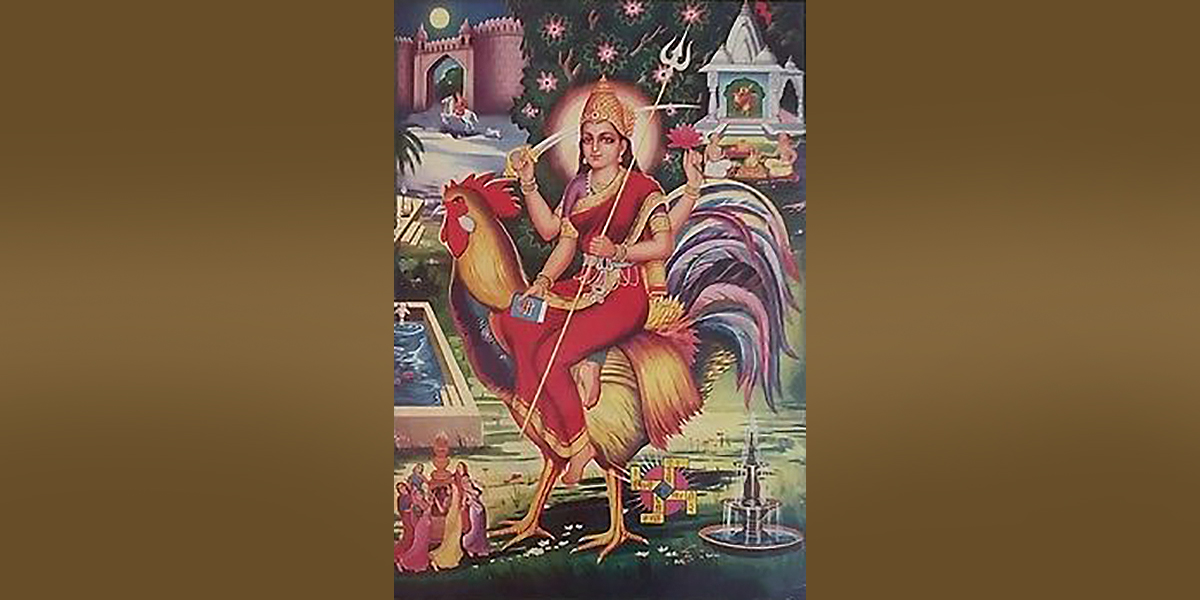
Budhan Ashtami Viratham (Budh Ashtami Vrat बुध अष्टमी व्रत)

Budhan Ashtami Viratham (புதன் அஷ்டமி வ்ரதம் in Tamil; additionally known as Budh Ashtami Vrat, Hindi: बुध अष्टमी व्रत Budh Ashtami Vrat, Malayalam: ബുധ അഷ്ടമി വ്രതം Budha Ashtami Vratham, Telugu: బుధాష్టమీ వ్రతం Budhastami Vratam, Kannada: ಬುಧ ಅಷ್ಟಮಿ ವ್ರತ Budha Ashtami Vrata, Gujarati: બુધ અષ્ટમી વ્રત Budh Ashtami Vrat, Punjabi: ਬੁੱਧ ਅਸ਼ਟਮੀ ਵ੍ਰਤ Budh Ashtami Vrat, Bengali: বুধ অষ্টমী ব্রত Budh Ashtami Brat) is an auspicious day for Hindu devotees that occurs when the 'Ashtami' Tithi (8th day) falls on a Wednesday or 'Budhwar' (बुधवार, Budhvar) in the traditional Hindu lunar calendar. Budh Ashtami can occur either during the 'Shukla Paksha' (bright fortnight of the moon) or the 'Krishna Paksha' (dark fortnight of the moon) in a month. On this day, devotees worship Lord Shiva (शिव, Shiva) and Goddess Parvati (पार्वती, Parvati) with full devotion and dedication.

According to Hindu legends, one who observes fasting on Budh Ashtami is believed to be freed from all sins and is promised liberation from Hell after death. Budhan Ashtami Viratham (Budh Ashtami Vrat) is popularly observed in Gujarat, Maharashtra, and northern states of India. Devotees undertake this vrat seeking divine blessings for prosperity, wellbeing, and spiritual growth.

Budhan Ashtami Viratham (Budh Ashtami Vrat) 2025: October 29, Wednesday

Ashtami Tithi Time: October 29, 9:23 AM – October 30, 10:07 AM

Rituals during Budh Ashtami Vrat:

  • Devotees worship Budha Graha (बुध ग्रह, Mercury) and seek His blessings for intelligence, wealth, and prosperity.
  • Most devotees observe a strict fast on this day. Special 'Naivedya' (offering) is prepared and offered to Lord Budha. The Prasad can only be consumed after completing the puja rituals.
  • Worship includes a Budha idol or picture inscribed on a gold or silver coin. A 'Kalash' (water pot) filled with water is placed on the altar with an unpeeled green coconut on top. Devotional rituals and prayers are performed with full devotion.
  • In some traditions, devotees must perform Budhan Ashtami Viratham (Budh Ashtami Vrat) continuously for 8 years. In the final year, the gold or silver coin with the image of Lord Budha is given to a Brahmin. Observers are believed to gain freedom from sins and attain spiritual liberation.
  • In certain regions, Lord Shiva and Goddess Parvati are also worshipped to enhance the efficacy of the vrat and purify the soul.

Important Timings for Ujjain, India (2025):

  • Sunrise: October 29, 6:34 AM
  • Sunset: October 29, 5:46 PM
  • Ashtami Tithi Timing: October 29, 09:23 AM – October 30, 10:07 AM

Significance of Budh Ashtami Vrat:

The untold glories of Budhan Ashtami Viratham (புதன் அஷ்டமி வ்ரதம் in Tamil; additionally known as Budh Ashtami Vrat, Hindi: बुध अष्टमी व्रत Budh Ashtami Vrat, Malayalam: ബുധ അഷ്ടമി വ്രതം Budha Ashtami Vratham, Telugu: బుధాష్టమీ వ్రతం Budhastami Vratam, Kannada: ಬುಧ ಅಷ್ಟಮಿ ವ್ರತ Budha Ashtami Vrata, Gujarati: બુધ અષ્ટમી વ્રત Budh Ashtami Vrat, Punjabi: ਬੁੱਧ ਅਸ਼ਟਮੀ ਵ੍ਰਤ Budh Ashtami Vrat, Bengali: বুধ অষ্টমী ব্রত Budh Ashtami Brat) are detailed in the Brahmanda Purana and other Hindu scriptures. Observing this vrat with devotion helps free the observer from all sins, including those accumulated from previous births. Worshipping Lord Shiva and Goddess Parvati on this day with dedication is believed to redeem past karmas, bring prosperity, and ensure spiritual purification.

The vrat is particularly significant for individuals affected by Budh Grah Dosha (Mercury afflictions in their horoscope). Observing this vrat pacifies the negative influence of Budh Grah, enhances intellect, communication, and financial stability. Fasting, prayers, charity, and proper ritual observances amplify spiritual benefits.

Logical Step-by-Step Routine for Budh Ashtami:

  1. Morning: Wake up before sunrise, take a holy bath, and clean the puja area. Set up the Kalash with coconut and place Budha Graha idol or picture.
  2. Puja Rituals: Offer flowers, incense, light lamps, chant mantras, and perform the rituals in devotion. Prepare Naivedya for Lord Budha.
  3. Fasting: Maintain fasting throughout the day, consuming only the Prasad after completing the puja.
  4. Evening: Recite Budh Graha mantras, worship Lord Shiva and Parvati if customary, and offer water to Peepal tree for enhanced spiritual merit.
  5. Charity: Donate green-colored items, food, or money to the needy. Share Prasad with family, friends, and devotees.
  6. Conclusion: Complete the vrat with gratitude, affirm devotion, and commit to performing the vrat annually for maximum spiritual benefits.

Budh Ashtami Vrat Dates (Ujjain, India, 2025):

  • February 5, Wednesday – Ashtami Tithi: 2:31 AM (Feb 5) – 12:36 AM (Feb 6)
  • June 18, Wednesday – Ashtami Tithi: 1:35 PM (June 18) – 11:56 AM (June 19)
  • July 2, Wednesday – Ashtami Tithi: 11:59 AM (July 2) – 2:07 PM (July 3)
  • October 29, Wednesday – Ashtami Tithi: 9:23 AM (Oct 29) – 10:07 AM (Oct 30)
  • November 12, Wednesday – Ashtami Tithi: 11:09 PM (Nov 11) – 10:58 PM (Nov 12)

Future Budhan Ashtami Viratham (Budh Ashtami Vrat) Dates:

  • 2026: March 25, Wednesday
  • 2027: August 25, Wednesday
  • 2028: May 31, Wednesday
  • 2029: November 7, Wednesday
  • 2030: October 29, Wednesday

November 2025

Notes.

Aippasi Purnima (Aippasi Annabishekam for Lord Shiva) (additionally: ஐப்பசி பூர்ணிமை – Aippasi Pūrṇimai in Tamil; additionally: आश्वयुज पूर्णिमा – Aśvayuja Pūrṇimā in Sanskrit / Hindi; additionally: ಮೈಲ್ ಪೂರ್ಣಿಮೆ – Aippasi Pūrṇimē in Kannada; additionally: അഷ്വയുജ പൂರ್ಣിമ – Aṣvayuja Pūrṇima in Malayalam; additionally: ఆష్వయుజ పౌర్ణమి – Aṣvayuja Paurṇami in Telugu; additionally: আশ্বযুজ পূর্ণিমা – Aśvayuja Pūrṇimā in Bengali) is a sacred full-moon observance in the Tamil month of Aippasi (corresponding broadly to October–November in the Gregorian calendar). On this day, Shiva devotees perform Annabishekam (அன்னாபிஷேகம் – offering of cooked rice to Shiva) as a thanksgiving ritual to Lord Shiva for sustenance and prosperity.

Date & Timing for 2025 (Ujjain, India)
Aippasi Purnima 2025 will be observed on 5 November 2025 (Wednesday).
Purnima Tithi begins at 10:36 PM on 4 November and ends at 6:49 PM on 5 November (local time).
Sunrise: 6:38 AM
Sunset: 5:42 PM

Rituals & Traditions (Aippasi Annabishekam)
• In Shiva temples and homes, the Shiva Lingam (சிவலிங்கம் – Śivalingam in Tamil / Shiva Lingam in Hindi / சிவಲಿಂಗ in Kannada) is bathed and then fully covered with freshly cooked rice (annam).
• Devotees often decorate the rice covering with fruits, vegetables, flowers and other auspicious items.
• The rice offering is considered Maha Naivedhyam (மஹா நைவேதியம் – great food offering) and is later distributed as prasadam.
• Major Shiva temples such as the Brihadeeswarar Temple at Gangaikonda Cholapuram perform this on a grand scale: in some years, over a hundred bags of rice are cooked and poured over the Lingam.
• After the puja, the covered rice is removed carefully and distributed to devotees as a sacred blessing.

Step-by-Step Ritual Schedule (Logical Day Plan)
1. Early Morning (pre-sunrise): Wake, purify, offer water and light lamps in puja space.
2. Morning: Perform abhishekam (ritual bathing) of Shiva Lingam using water, milk, or sanctified liquids.
3. Midmorning: Prepare large quantity of cooked rice (plain, unspiced) for offering.
4. Late Morning to Early Afternoon: Cover the Lingam completely with the cooked rice, decorate with flowers and fruits.
5. Afternoon: Recite Shiva stotras (such as Rudra, Shiva Sahasranama) and chant mantras (Om Namah Shivaya).
6. Evening (before or just after sunset): Perform final offerings, light lamps, perform arati (light offering), and distribute the rice prasadam.
7. Night: Devotees may keep vigil, recite prayers, or rest after the worship is concluded.

Scientific, Symbolic & Cultural Context
• Astronomically, Purnima is the full moon phase, when the moon is opposite the Sun, symbolizing fullness, clarity and completeness.
• Rice (annam) is a staple grain representing sustenance, fertility, and life. Offering rice to Shiva indicates gratitude for food and survival.
• The Tamil month Aippasi begins when the Sun enters the sign of Libra (Tula Rāsi – துலா רாசி), representing balance (“Thula” means balance). Thus, day and night durations tend toward equilibrium.
• In Tamil poetic tradition, Aippasi is a very festive month with many rituals, weddings, and spiritual observances. Annabishekam during Aippasi Purnima aligns with expressing gratitude before the festival season (such as Diwali).
• The practice also reinforces the connection among devotees, temples, and agricultural or food cycles: communities join to cook, offer, and share the rice, strengthening social bonds.

Time Zone Adjustments & Global Observance
Ujjain, India:
On 5 November 2025, sunrise 6:38 AM, sunset 5:42 PM (approx.). Rituals should align within Purnima Tithi boundaries (10:36 PM previous day to 6:49 PM).
Malaysia / Singapore:
Date: 5 November 2025 (same). Approximate sunrise ~7:00 AM, sunset ~6:48 PM local time (adjust for time-zone difference). Devotees can adapt the ritual hours by converting Ujjain timings to local time.
New York, USA (Eastern Time):
Because of time zone shift, the Purnima Tithi begins late evening of 4 November and continues into 5 November Eastern Time. Sunrise and sunset times roughly around 6:15 AM to 5:40 PM local time (estimates). Devotees should adjust by local lunar calendar or Panchang references to correctly observe the window of the full moon.
Disclaimer: All sunrise/sunset and tithi times are approximate. For muhurta (precise auspicious time) in Ujjain, consult a reliable Panchang or temple authority for that year.

Future Aippasi Purnima Dates (2025–2030)
2025 – 5 November
2026 – 25 October
2027 – 13 November
2028 – 21 October
2029 – 9 November
2030 – 29 October

Budhan Ashtami Viratham (Budh Ashtami Vrat बुध अष्टमी व्रत)

Budhan Ashtami Viratham (புதன் அஷ்டமி வ்ரதம் in Tamil; additionally known as Budh Ashtami Vrat, Hindi: बुध अष्टमी व्रत Budh Ashtami Vrat, Malayalam: ബുധ അഷ്ടമി വ്രതം Budha Ashtami Vratham, Telugu: బుధాష్టమీ వ్రతం Budhastami Vratam, Kannada: ಬುಧ ಅಷ್ಟಮಿ ವ್ರತ Budha Ashtami Vrata, Gujarati: બુધ અષ્ટમી વ્રત Budh Ashtami Vrat, Punjabi: ਬੁੱਧ ਅਸ਼ਟਮੀ ਵ੍ਰਤ Budh Ashtami Vrat, Bengali: বুধ অষ্টমী ব্রত Budh Ashtami Brat) is an auspicious day for Hindu devotees that occurs when the 'Ashtami' Tithi (8th day) falls on a Wednesday or 'Budhwar' (बुधवार, Budhvar) in the traditional Hindu lunar calendar. Budh Ashtami can occur either during the 'Shukla Paksha' (bright fortnight of the moon) or the 'Krishna Paksha' (dark fortnight of the moon) in a month. On this day, devotees worship Lord Shiva (शिव, Shiva) and Goddess Parvati (पार्वती, Parvati) with full devotion and dedication.

According to Hindu legends, one who observes fasting on Budh Ashtami is believed to be freed from all sins and is promised liberation from Hell after death. Budhan Ashtami Viratham (Budh Ashtami Vrat) is popularly observed in Gujarat, Maharashtra, and northern states of India. Devotees undertake this vrat seeking divine blessings for prosperity, wellbeing, and spiritual growth.

Budhan Ashtami Viratham (Budh Ashtami Vrat) 2025: October 29, Wednesday

Ashtami Tithi Time: October 29, 9:23 AM – October 30, 10:07 AM

Rituals during Budh Ashtami Vrat:

  • Devotees worship Budha Graha (बुध ग्रह, Mercury) and seek His blessings for intelligence, wealth, and prosperity.
  • Most devotees observe a strict fast on this day. Special 'Naivedya' (offering) is prepared and offered to Lord Budha. The Prasad can only be consumed after completing the puja rituals.
  • Worship includes a Budha idol or picture inscribed on a gold or silver coin. A 'Kalash' (water pot) filled with water is placed on the altar with an unpeeled green coconut on top. Devotional rituals and prayers are performed with full devotion.
  • In some traditions, devotees must perform Budhan Ashtami Viratham (Budh Ashtami Vrat) continuously for 8 years. In the final year, the gold or silver coin with the image of Lord Budha is given to a Brahmin. Observers are believed to gain freedom from sins and attain spiritual liberation.
  • In certain regions, Lord Shiva and Goddess Parvati are also worshipped to enhance the efficacy of the vrat and purify the soul.

Important Timings for Ujjain, India (2025):

  • Sunrise: October 29, 6:34 AM
  • Sunset: October 29, 5:46 PM
  • Ashtami Tithi Timing: October 29, 09:23 AM – October 30, 10:07 AM

Significance of Budh Ashtami Vrat:

The untold glories of Budhan Ashtami Viratham (புதன் அஷ்டமி வ்ரதம் in Tamil; additionally known as Budh Ashtami Vrat, Hindi: बुध अष्टमी व्रत Budh Ashtami Vrat, Malayalam: ബുധ അഷ്ടമി വ്രതം Budha Ashtami Vratham, Telugu: బుధాష్టమీ వ్రతం Budhastami Vratam, Kannada: ಬುಧ ಅಷ್ಟಮಿ ವ್ರತ Budha Ashtami Vrata, Gujarati: બુધ અષ્ટમી વ્રત Budh Ashtami Vrat, Punjabi: ਬੁੱਧ ਅਸ਼ਟਮੀ ਵ੍ਰਤ Budh Ashtami Vrat, Bengali: বুধ অষ্টমী ব্রত Budh Ashtami Brat) are detailed in the Brahmanda Purana and other Hindu scriptures. Observing this vrat with devotion helps free the observer from all sins, including those accumulated from previous births. Worshipping Lord Shiva and Goddess Parvati on this day with dedication is believed to redeem past karmas, bring prosperity, and ensure spiritual purification.

The vrat is particularly significant for individuals affected by Budh Grah Dosha (Mercury afflictions in their horoscope). Observing this vrat pacifies the negative influence of Budh Grah, enhances intellect, communication, and financial stability. Fasting, prayers, charity, and proper ritual observances amplify spiritual benefits.

Logical Step-by-Step Routine for Budh Ashtami:

  1. Morning: Wake up before sunrise, take a holy bath, and clean the puja area. Set up the Kalash with coconut and place Budha Graha idol or picture.
  2. Puja Rituals: Offer flowers, incense, light lamps, chant mantras, and perform the rituals in devotion. Prepare Naivedya for Lord Budha.
  3. Fasting: Maintain fasting throughout the day, consuming only the Prasad after completing the puja.
  4. Evening: Recite Budh Graha mantras, worship Lord Shiva and Parvati if customary, and offer water to Peepal tree for enhanced spiritual merit.
  5. Charity: Donate green-colored items, food, or money to the needy. Share Prasad with family, friends, and devotees.
  6. Conclusion: Complete the vrat with gratitude, affirm devotion, and commit to performing the vrat annually for maximum spiritual benefits.

Budh Ashtami Vrat Dates (Ujjain, India, 2025):

  • February 5, Wednesday – Ashtami Tithi: 2:31 AM (Feb 5) – 12:36 AM (Feb 6)
  • June 18, Wednesday – Ashtami Tithi: 1:35 PM (June 18) – 11:56 AM (June 19)
  • July 2, Wednesday – Ashtami Tithi: 11:59 AM (July 2) – 2:07 PM (July 3)
  • October 29, Wednesday – Ashtami Tithi: 9:23 AM (Oct 29) – 10:07 AM (Oct 30)
  • November 12, Wednesday – Ashtami Tithi: 11:09 PM (Nov 11) – 10:58 PM (Nov 12)

Future Budhan Ashtami Viratham (Budh Ashtami Vrat) Dates:

  • 2026: March 25, Wednesday
  • 2027: August 25, Wednesday
  • 2028: May 31, Wednesday
  • 2029: November 7, Wednesday
  • 2030: October 29, Wednesday

Amavasai, Amavasya Viratham (Vrat) 2025 • Significance of Amavasya

Meaning of Amavasya
Amavasai, Amavasya Viratham (Vrat). Amavasya (Sanskrit: अमावस्या) literally means “no moon” — “a” (negation) + “ma” (moon) + “vasya” (to dwell). In many Indian languages, it is known as Amavasya (Hindi: अमावस्या Amāvāsyā; Tamil: அமாவாசை Amāvācai; Telugu: అమావాస్య Amāvāsya; Kannada: ಅಮಾವಾಸ್ಯ Amāvāsya; Malayalam: ആമാവാസ്യം Āmāvāsyam; Bengali: অমাবস্যা Amābasyā). It marks the lunar phase when the Moon is not visible in the sky.

Importance of Amavasya
Amavasya is considered an auspicious time for spiritual practices, ancestral rites (श्राद्ध – Śrāddha), remembrance of departed souls, and introspection. Many significant fasts, rituals, and festivals (e.g. Diwali’s Lakshmi Puja) fall on Amavasya days. Somvati Amavasya (when Amavasya coincides with Monday) is especially revered.

The day of Amavasya is held in reverence by many and is believed to be the most auspicious day to offer shraddh and pay homage to one's ancestors, especially dead parents.

Some of the most popular observances and important Amavasya dates are Mauni Amavasya, Shani Jayanti, Vat Savitri Vrat, Bhaumvati Amavasya, Lakshmi puja (Diwali), Hariyali Amavasya, Mahalaya Amavasya (Pitru Paksha).

Of all the Amavasya days, an Amavasya falling on Monday Somavara (Somvara) is considered most auspicious. Know as Somvati Amavasya, fasting and observing Viratham (Vrat) (Somvati Amavasya Vrat) on this day is considered most meritorious. Taking holy dip in waters of the sacred rivers like the Ganga, Yamuna, Krishna or Kaveri. On the day of Somvati Amavasya, 1000s of devotees throng religious places like Haridwar, Varanasi etc.

All Amavasya Dates in 2025 (for reference)

29 January
Amavasya Tithi Time: 28 January, 7:36 PM - 29 January, 6:05 PM
27 February
Amavasya Tithi Time: 27 February, 8:55 AM - 28 February, 6:14 AM
March 29
Amavasya Tithi Time: March 28, 7:55 PM - March 29, 4:27 PM
April 27
Amavasya Tithi Time: April 27, 4:50 AM - April 28, 1:01 AM
May 27
Amavasya Tithi Time: May 26, 12:12 PM - May 27, 8:32 AM
June 25
Amavasya Tithi Time: June 24, 7:00 PM - June 25, 4:01 PM
July 24
Amavasya Tithi Time: July 24, 2:29 AM - July 25, 12:41 AM
August 23
Amavasya Tithi Time: August 22, 11:56 AM - August 23, 11:36 AM
September 21
Amavasya Tithi Time: September 21, 12:17 AM - September 22, 1:24 AM
October 21
Amavasya Tithi Time: October 20, 3:45 PM - October 21, 5:55 PM
20 November
Amavasya Tithi Time: November 19, 9:44 AM - November 20, 12:17 PM
December 19
Amavasya Tithi Time: December 19, 4:59 AM - December 20, 7:13 AM

Step-by-Step Observance of Amavasya Vrat
1. Wake before sunrise; take a purifying bath and wear clean clothes.
2. Clean puja area and set up a small altar with idols or photos of ancestors, Goddess Lakshmi (लक्ष्मी), and Lord Vishnu (विष्णु).
3. Light an oil lamp, offer incense, flowers, and water; chant Mantras like the Mahamrityunjaya, Gayatri Mantra, or Shiva / Vishnu stotras.
4. Perform Śrāddha offerings or Tarpaṇa (water oblations) for departed ancestors — offering sesame seeds, black sesame, cooked rice, and water into flowing water body if possible.
5. Observe fast or at least partial restraint (avoid heavy food, non-vegetarian items).
6. Meditate, read scriptures like Bhagavad Gita, Srimad Bhagavatam, or Puranic stories.
7. At auspicious time (often after the tithi ends), break fast modestly and offer food first to a Brahmin or needy person.
8. In evenings or at dusk, perform final prayers and reflect on gratitude, karma, and purpose.

Symbolism & Scientific Perspective
• Amavasya represents the lunar cycle’s new beginning — though invisible, the Moon is poised to wax again. Spiritually it symbolizes renewal, inner silence, and letting go.
• Astrologically, the absence of Moon light is thought to reduce mental turbulence, making meditation and ancestral connection stronger.
• In terms of human physiology, fasting and ritual on a “no-moon” day can help detoxification and mental clarity, aligning body rhythms with lunar cycles.

Global Timing Notes
Malaysia / Singapore: Use local sunrise and sunset as reference; convert Amavasya tithi transitions from IST to UTC+8.
New York, USA: Because of time zone shift, the Amavasya tithi might begin late night or early morning previous day locally; devotees should consult a local Hindu calendar or Panchang for accurate timings.

Chaturthi Viratham (Chaturthi Vrat) • Vinayaka Chaturthi (Sanskrit: Ganesha Chaturthi or Vinayaka Chaturthi / Hindi: Vinayak Chaturthi)

The fourth day of the bright and dark half of the Moon in every lunar month of the Hindu calendar is called Chaturthi Tithi – the day to observe Chaturthi Viratham (Chaturthi Vrat). This day is dedicated to Lord Ganesh (Ganpati) and is traditionally observed by men. Shukla Paksha Chaturthi is celebrated as Vinayaka Chaturthi (Sanskrit: गणेश चतुर्थी, Hindi: गणेश चतुर्थी / Tamil: விநாயக சதுர்த்தி / Telugu: వినాయక చతుర్థి / Kannada: ವಿನಾಯಕ ಚತುರ್ಥಿ / Malayalam: വിനായക ചതുര്തി / Bengali: গণেশ চতুর্থী) after the full moon, and Krishna Paksha Chaturthi is observed as Sankashti Chaturthi.

Among all Chaturthi days, the one falling on the bright half of Bhadra (Bhadrapad) month is most popular and celebrated as Ganesh Chaturthi, the birthday of Lord Ganesh. Ganesh Chaturthi 2025 is on 27 August and Ganesh Visarjan will be on 6 September 2025.

Significance of Ganesh Chaturthi:
Ganesh Chaturthi commemorates the birth of Lord Ganesh, the God of Wisdom, Wealth, and Fortune. The festival symbolizes new beginnings and a fresh start. Worshipping Lord Ganesha is considered essential before any new venture, as His blessings remove obstacles, provide strength, and impart wisdom.

Step-by-Step Rituals and Daily Routine:
1. Morning: Wake early, take a bath, and wear clean clothes. Set up the Ganesh idol on a decorated altar.
2. Morning Puja: Begin with Pranapratistha by chanting mantras to invoke life into the idol. Offer sandalwood paste, kumkum, flowers, and durva (tri-bladed grass).
3. Midday Puja (Madhyahna Kaal): Perform Ganesh Puja from 11:13 AM - 1:43 PM on 27 August 2025, offering 21 modaks and 21 durvas.
4. Avoid Moon Sighting: From 9:28 AM - 9:08 PM on 27 August, 2025, avoid looking at the Moon to prevent inauspicious results.
5. Evening: Recite Ganesh mantras such as "श्री वक्रतुण्ड महाकाय सूर्य कोटी समप्रभा निर्विघ्नं कुरु मे देव सर्व-कार्येशु सर्वदा॥" Offer prasad and participate in devotional songs.
6. End of Festival: On Ganesh Visarjan day (6 September 2025), perform the immersion ceremony with proper rituals, offering coconuts, flowers, and sweets in a procession.

Important Timings (Ujjain, India) on Ganesh Chaturthi 2025:
Sunrise: 27 August, 6:11 AM
Sunset: 27 August, 6:45 PM
Chaturthi Tithi Timings: 26 August, 1:55 PM - 27 August, 3:44 PM
Madhyahna Ganesh Puja: 11:13 AM - 1:43 PM
Time To Avoid Moon Sighting: 9:28 AM - 9:08 PM
Place: Ujjain, India

Ganesh Chaturthi Festival Dates 2025 (Chaturthi Viratham / Chaturthi Vrat):
January 3 – 03 January, 1:08 AM - 03 January, 11:40 PM
February 1 – 01 February, 11:38 AM - 02 February, 9:14 AM
March 3 – 02 March, 9:02 PM - 03 March, 6:02 PM
April 1 – 01 April, 5:42 AM - 02 April, 2:32 AM
May 1 – 30 April, 2:12 PM - 01 May, 11:24 AM
May 30 – 29 May, 11:18 PM - 30 May, 9:23 PM
June 28 – 28 June, 9:54 AM - 29 June, 9:15 PM
July 28 – 27 July, 10:42 PM - 28 July, 11:24 PM
August 27 – 26 August, 1:55 PM - 27 August, 3:44 PM
September 25 – 25 September, 7:06 AM - 26 September, 9:33 AM
October 25 – 25 October, 1:20 AM - 26 October, 3:48 AM
November 24 – 23 November, 7:25 PM - 24 November, 9:22 PM
December 24 – 23 December, 12:13 PM - 24 December, 1:11 PM

FAQs:

1: When is the Ganesh Sthapana Muhurtam (Muhurat) 2025?
- Ganesh Sthapana is done during the Madhyahna Kaal on the day of Ganesh Chaturthi. The Madhyahna Kaal Ganesh Puja will be from 11:13 AM - 01:43 PM on 27 August, 2025. The Ganesh Idol can be brought home when the Chaturthi Tithi begins at 26 August, 1:55 PM.

2: What are the differences between Ganesh Chaturthi and Ganesh Jayanti?
- Ganesh Chaturthi is celebrated on the Krishna Paksha Chaturthi of Bhadrapada month (Bhadrapada Vinayaka Chaturthi), and Ganesh Jayanti is observed during the Shukla Paksha Chaturthi of Magha month (Magha Sankashti Chaturthi). The Chaturthi Tithi falling on the Shukla Paksha of any month is called Sankashti Chaturthi, while the one falling on the Krishna Paksha is called Vinayaka Chaturthi (Sanskrit: गणेश चतुर्थी, Hindi: गणेश चतुर्थी / Tamil: விநாயக சதுர்த்தி / Telugu: వినాయక చతుర్థి / Kannada: ವಿನಾಯಕ ಚತುರ್ಥಿ / Malayalam: വിനായക ചതുര്തി / Bengali: গণেশ চতুর্থী). Both Ganesh Jayanti and Ganesh Chaturthi are celebrated as the birthday of Lord Ganesha, but the latter one is more widely recognized. Ganesh Jayanti marks the creation of Lord Ganesh by Goddess Parvati, whereas Ganesh Chaturthi signifies Lord Ganesha descending from Mount Kailash to visit his brother, Lord Karthikeya.

3: When should we avoid Moon sighting on Ganesh Chaturthi 2025?
- The Moon will rise at 27 August, 9:28 AM and set at 9:08 PM.
- According to ancient scriptures like Mudgala Purana, Skanda Purana, and Brahmanda Purana, Chandradev, the Lord of the Moon, once ridiculed Lord Ganesh’s appearance, provoking His anger. Lord Ganesh cursed Chandradev, causing him to disappear. After Chandradev apologized, Lord Ganesh modified the curse, decreeing that anyone who gazes at the Moon on Ganesh Chaturthi may face false accusations.

Ganesh Chaturthi Festival Dates between 2020 & 2030:
2020 – 22 August
2021 – 10 September
2022 – 31 August
2023 – 19 September
2024 – 7 September
2025 – 27 August
2026 – 14 September
2027 – 4 September
2028 – 23 August
2029 – 11 September
2030 – 1 September
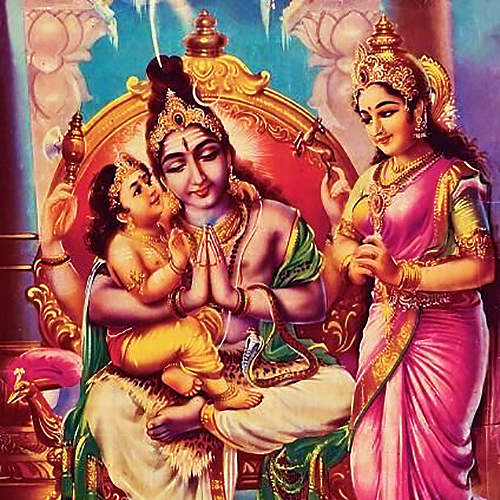
December 2025

Notes.

Annapurna Jayanti: Timings, Rituals, and Significance

Annapurna Jayanti (additionally: अन्नपूर्णा जयंती – Annapūrṇā Jayantī in Sanskrit/Hindi; அன்னபூர்ணா ஜெயந்தி – Annapūrṇā Jayanti in Tamil; അന്നപൂര്‍ണ്ണ ജയന്തി – Annapūrṇa Jayanti in Malayalam; అన్నపూర్ణ జయంతి – Annapūrṇa Jayanti in Telugu; ಅನ್ನಪೂರ್ಣ ಜयंಥಿ – Annapūrṇa Jayanti in Kannada; অন্নপূর্ণা জয়ন্তী – Annapūrṇā Jayantī in Bengali) is a revered festival dedicated to Goddess Annapurna, the divine manifestation of nourishment and abundance. She is considered an incarnation of Goddess Parvati, symbolizing the eternal provider of food. This observance is held on the Purnima (full moon day) of the Margashirsha month, which usually falls in November–December. On this day, devotees worship Goddess Annapurna with deep devotion, offering thanks for sustenance and praying for prosperity.

Annapurna Jayanti 2025 falls on Thursday, 4 December 2025.

Important Timings for Ujjain, India (4–5 December 2025)
Sunrise: approx. 6:57 AM
Sunset: approx. 5:36 PM
Purnima Tithi begins: 08:38 AM on 4 December 2025
Purnima Tithi ends: 04:44 AM on 5 December 2025 (next day)
Disclaimer: Timings are approximate and based on traditional Panchang calculations for Ujjain. Minor variations may occur depending on local observatories and geolocation. For exact muhurta, devotees should consult their local temple or almanac.

Rituals & Traditions
• Devotees prepare a small altar or mandap at home or visit temples dedicated to Goddess Annapurna.
• Puja is performed with Shodashopachar (sixteen ritualistic offerings) including incense, lamp, flowers, water, fruits, and grains.
• Annabhishekam (ritual food offering) is performed by offering cooked rice or symbolic food to the Goddess.
• Many devotees, especially women, observe a strict fast during the day, breaking it only at night after worship.
• Hymns such as Annapurna Devi Ashtakam and Annapurna Stotram are recited.
• Large-scale Annadanam (food donation) is organized in temples and communities, emphasizing sharing and service.

Step-by-Step Routine for the Day
1. Wake up early before sunrise, take a ritual bath, and prepare a clean space for worship.
2. Place an idol or picture of Goddess Annapurna at the altar, decorate with fresh flowers and sacred cloths.
3. Perform morning prayers with offerings of water, lamp, incense, and flowers.
4. After the beginning of Purnima Tithi (08:38 AM), perform Annabhishekam by offering cooked rice or symbolic food to the Goddess.
5. Recite Annapurna hymns and meditate on gratitude for food and sustenance.
6. Maintain a day-long fast or simple vegetarian diet with focus on purity and devotion.
7. In the evening, light lamps and perform aarti (ceremonial light offering) to the Goddess.
8. Distribute prasad (sanctified food) to family, community, or the poor.
9. Conclude the fast after the night worship or early morning of the following day when Purnima Tithi ends.

Spiritual and Cultural Significance
The word “Annapurna” is derived from “Anna” meaning food and “Purna” meaning complete. Goddess Annapurna is revered as the deity who ensures that no being suffers from hunger. According to legends, when food became scarce on Earth, Goddess Parvati appeared as Annapurna to restore nourishment and abundance. Worshiping her on this day is believed to grant prosperity, ensure that kitchens never remain empty, and cultivate gratitude for food as a sacred gift. In Varanasi, the Annapurna Temple becomes the central hub of celebration, where grand rituals and free meals are served to thousands of devotees. The festival emphasizes humility, sharing, and recognizing food as the essence of life itself.

Global Observance Notes
Malaysia / Singapore:
The Purnima Tithi from Ujjain (08:38 AM – 04:44 AM next day IST) translates to approximately 11:08 AM on 4 December to 07:14 AM on 5 December local time.

New York, USA:
The same Purnima Tithi corresponds to the night of 3 December, starting around 10:08 PM and ending around 6:14 PM on 4 December local time. Devotees should align observance according to local Panchang calculations.

Future Annapurna Jayanti Dates (2025–2030)
2025 – 4 December
2026 – 23 December
2027 – 13 December
2028 – 1 December
2029 – 20 December
2030 – 9 December

Balaji Jayanti: Timings, Rituals, and Significance

Balaji Jayanti (additionally called बालाजी जयंती Balaji Jayanti in Hindi, பலாஜி ஜெயந்தி Balaji Jayanthi in Tamil, ബാലജി ജയന്തി Balaji Jayanti in Malayalam, బాలాజీ జయంతి Balaji Jayanti in Telugu, ಬಾಲಾಜಿ ಜಯಂತಿ Balaji Jayanti in Kannada, বলাজি জয়ন্তী Balaji Jayanti in Bengali, and often associated with श्री वेंकटेश्वर जन्मोत्सव Sri Venkateshwara Janmotsava in Sanskrit) is a highly revered festival dedicated to the celebration of the birth of Lord Balaji, who is also known as Lord Venkateswara (additionally called வெங்கடேஸ்வரர் Venkateswarar in Tamil, వెంకటేశ్వరుడు Venkateshwarudu in Telugu, വങ്കിടേശ്വരൻ Venkateshwaran in Malayalam, వెంకಟೇಶ್ವರ Venkateshwara in Kannada, বেঙ্কটেশ্বর Bênkeṭeshwar in Bengali, and श्रीनिवास Srinivasa in Hindi). The festival is celebrated on the Ashtami Tithi (eighth lunar day) of Krishna Paksha (waning phase of the moon) during the holy month of Margashirsha (additionally called மார்கழி Margazhi in Tamil, മാർഗശീർഷ Margashirsha in Malayalam, మార్గశిర Margashira in Telugu, ಮಾರ್ಗಶಿರ ಮಾಸ Margashira Masa in Kannada, मार्गशीर्ष Margashirsha in Hindi and Bengali) as per the Hindu lunar calendar.

This festival is observed with immense devotion across India, especially in the famous Tirumala Tirupati temple of Andhra Pradesh, which is regarded as the spiritual center of Lord Balaji’s worship. The day holds great importance as devotees celebrate the divine manifestation of Lord Balaji, who is considered the Supreme Being in the current Kaliyuga (the present cosmic age).

Balaji Jayanti 2025
In 2025, Balaji Jayanti will be observed on Friday, 12 December 2025.

Important Timings in Ujjain, India (12 December 2025)
Sunrise: 07:02 AM
Sunset: 05:38 PM
Ashtami Tithi: Begins 11 December 2025, 01:57 PM – Ends 12 December 2025, 02:57 PM
(Disclaimer: Timings may vary slightly depending on precise astronomical calculations in different locations.)

Scientific and cultural perspective:
From a spiritual and cultural standpoint, Balaji Jayanti signifies surrender, discipline, and divine order. From a scientific perspective, the observance during Margashirsha corresponds to a cooler season in India, symbolizing renewal, focus, and cleansing rituals. The alignment of the lunar cycle emphasizes rhythmic harmony between cosmic forces and human devotion. This festival also fosters social unity, as millions gather at temples, and emphasizes gratitude, humility, and detachment through practices such as tonsure (hair offering) and fasting.

Step-by-Step Rituals for Balaji Jayanti (12 December 2025 – Ujjain, India)

1. Early Morning (4:30 AM – 6:30 AM)
Devotees wake up early, bathe, and wear clean clothes. Homes and temples are decorated with flowers, rangoli, and lamps. In Tirumala, the idol of Lord Balaji is given ceremonial baths (Abhishekam) using milk, curd, honey, and sandalwood paste.

2. Morning Puja (6:30 AM – 9:00 AM)
Special pujas begin with Vedic chanting of mantras such as “Om Namo Venkateshaya” and “Om Namo Narayanaya.” Devotees offer tulsi leaves, flowers, fruits, and prasadam. In households, images or idols of Lord Balaji are worshipped with kumkum, turmeric, and incense sticks.

3. Afternoon Rituals (12:00 Noon – 2:00 PM)
Aarti is performed at temples, accompanied by the playing of traditional instruments such as nadaswaram and mridangam. Devotees perform Angapradakshina (rolling around the temple precincts as an act of humility and devotion). Prasadam such as laddus, pongal, and panakam are distributed among devotees.

4. Evening Maha Aarti (6:00 PM – 8:00 PM)
The Maha Aarti is the most significant ritual of the day. Thousands of lamps are lit, symbolizing the removal of darkness and ignorance. Devotees chant hymns, and priests offer camphor, flowers, and sacred water to the deity. The divine energy during this time is believed to grant peace and prosperity.

5. Night Observances (after 9:00 PM)
Some devotees observe night-long bhajans, reciting Vishnu Sahasranama and Govinda Namalu. Many also donate food, clothes, and money to the needy, reinforcing the value of seva (selfless service) in Lord Balaji’s tradition.

Global Timings for Reference

Malaysia / Singapore (12 December 2025)
Sunrise: approx. 06:57 AM
Sunset: approx. 06:58 PM
Ashtami Tithi: Adjusted locally based on lunar observations but follows the same start and end period. Rituals should align with morning and evening schedules as per local sunrise and sunset. Disclaimer: Minor variations may occur due to regional astronomical calculations.

New York, United States (12 December 2025)
Sunrise: approx. 07:10 AM
Sunset: approx. 04:29 PM
Devotees observe Balaji Jayanti according to local sunrise and sunset while spiritually aligning their worship with Ujjain’s traditional timings. Many temples in the U.S. conduct extended evening pujas to accommodate working devotees.

Significance of Balaji Jayanti

Balaji Jayanti is believed to mark the divine appearance of Lord Venkateswara to protect humanity and restore dharma. Worshipping Lord Balaji on this day is said to remove obstacles, bring prosperity, and grant inner peace. The Tirupati temple, often referred to as Bhuloka Vaikuntha (the earthly abode of Vishnu), attracts millions of devotees, making it one of the most visited pilgrimage centers in the world. Rituals such as hair offerings symbolize shedding ego, while fasting and prayers strengthen spiritual discipline. Devotees also believe that sincere worship on Balaji Jayanti grants moksha (liberation from the cycle of rebirth).

Future Dates of Balaji Jayanti

2025 – 12 December (Friday)
2026 – 31 December (Thursday)
2027 – 20 December (Monday)
2028 – 9 December (Saturday)
2029 – 28 December (Friday)
2030 – 17 December (Tuesday)

Amavasai, Amavasya Viratham (Vrat) 2025 • Significance of Amavasya

Meaning of Amavasya
Amavasai, Amavasya Viratham (Vrat). Amavasya (Sanskrit: अमावस्या) literally means “no moon” — “a” (negation) + “ma” (moon) + “vasya” (to dwell). In many Indian languages, it is known as Amavasya (Hindi: अमावस्या Amāvāsyā; Tamil: அமாவாசை Amāvācai; Telugu: అమావాస్య Amāvāsya; Kannada: ಅಮಾವಾಸ್ಯ Amāvāsya; Malayalam: ആമാവാസ്യം Āmāvāsyam; Bengali: অমাবস্যা Amābasyā). It marks the lunar phase when the Moon is not visible in the sky.

Importance of Amavasya
Amavasya is considered an auspicious time for spiritual practices, ancestral rites (श्राद्ध – Śrāddha), remembrance of departed souls, and introspection. Many significant fasts, rituals, and festivals (e.g. Diwali’s Lakshmi Puja) fall on Amavasya days. Somvati Amavasya (when Amavasya coincides with Monday) is especially revered.

The day of Amavasya is held in reverence by many and is believed to be the most auspicious day to offer shraddh and pay homage to one's ancestors, especially dead parents.

Some of the most popular observances and important Amavasya dates are Mauni Amavasya, Shani Jayanti, Vat Savitri Vrat, Bhaumvati Amavasya, Lakshmi puja (Diwali), Hariyali Amavasya, Mahalaya Amavasya (Pitru Paksha).

Of all the Amavasya days, an Amavasya falling on Monday Somavara (Somvara) is considered most auspicious. Know as Somvati Amavasya, fasting and observing Viratham (Vrat) (Somvati Amavasya Vrat) on this day is considered most meritorious. Taking holy dip in waters of the sacred rivers like the Ganga, Yamuna, Krishna or Kaveri. On the day of Somvati Amavasya, 1000s of devotees throng religious places like Haridwar, Varanasi etc.

All Amavasya Dates in 2025 (for reference)

29 January
Amavasya Tithi Time: 28 January, 7:36 PM - 29 January, 6:05 PM
27 February
Amavasya Tithi Time: 27 February, 8:55 AM - 28 February, 6:14 AM
March 29
Amavasya Tithi Time: March 28, 7:55 PM - March 29, 4:27 PM
April 27
Amavasya Tithi Time: April 27, 4:50 AM - April 28, 1:01 AM
May 27
Amavasya Tithi Time: May 26, 12:12 PM - May 27, 8:32 AM
June 25
Amavasya Tithi Time: June 24, 7:00 PM - June 25, 4:01 PM
July 24
Amavasya Tithi Time: July 24, 2:29 AM - July 25, 12:41 AM
August 23
Amavasya Tithi Time: August 22, 11:56 AM - August 23, 11:36 AM
September 21
Amavasya Tithi Time: September 21, 12:17 AM - September 22, 1:24 AM
October 21
Amavasya Tithi Time: October 20, 3:45 PM - October 21, 5:55 PM
20 November
Amavasya Tithi Time: November 19, 9:44 AM - November 20, 12:17 PM
December 19
Amavasya Tithi Time: December 19, 4:59 AM - December 20, 7:13 AM

Step-by-Step Observance of Amavasya Vrat
1. Wake before sunrise; take a purifying bath and wear clean clothes.
2. Clean puja area and set up a small altar with idols or photos of ancestors, Goddess Lakshmi (लक्ष्मी), and Lord Vishnu (विष्णु).
3. Light an oil lamp, offer incense, flowers, and water; chant Mantras like the Mahamrityunjaya, Gayatri Mantra, or Shiva / Vishnu stotras.
4. Perform Śrāddha offerings or Tarpaṇa (water oblations) for departed ancestors — offering sesame seeds, black sesame, cooked rice, and water into flowing water body if possible.
5. Observe fast or at least partial restraint (avoid heavy food, non-vegetarian items).
6. Meditate, read scriptures like Bhagavad Gita, Srimad Bhagavatam, or Puranic stories.
7. At auspicious time (often after the tithi ends), break fast modestly and offer food first to a Brahmin or needy person.
8. In evenings or at dusk, perform final prayers and reflect on gratitude, karma, and purpose.

Symbolism & Scientific Perspective
• Amavasya represents the lunar cycle’s new beginning — though invisible, the Moon is poised to wax again. Spiritually it symbolizes renewal, inner silence, and letting go.
• Astrologically, the absence of Moon light is thought to reduce mental turbulence, making meditation and ancestral connection stronger.
• In terms of human physiology, fasting and ritual on a “no-moon” day can help detoxification and mental clarity, aligning body rhythms with lunar cycles.

Global Timing Notes
Malaysia / Singapore: Use local sunrise and sunset as reference; convert Amavasya tithi transitions from IST to UTC+8.
New York, USA: Because of time zone shift, the Amavasya tithi might begin late night or early morning previous day locally; devotees should consult a local Hindu calendar or Panchang for accurate timings.

Chaturthi Viratham (Chaturthi Vrat) • Vinayaka Chaturthi (Sanskrit: Ganesha Chaturthi or Vinayaka Chaturthi / Hindi: Vinayak Chaturthi)

The fourth day of the bright and dark half of the Moon in every lunar month of the Hindu calendar is called Chaturthi Tithi – the day to observe Chaturthi Viratham (Chaturthi Vrat). This day is dedicated to Lord Ganesh (Ganpati) and is traditionally observed by men. Shukla Paksha Chaturthi is celebrated as Vinayaka Chaturthi (Sanskrit: गणेश चतुर्थी, Hindi: गणेश चतुर्थी / Tamil: விநாயக சதுர்த்தி / Telugu: వినాయక చతుర్థి / Kannada: ವಿನಾಯಕ ಚತುರ್ಥಿ / Malayalam: വിനായക ചതുര്തി / Bengali: গণেশ চতুর্থী) after the full moon, and Krishna Paksha Chaturthi is observed as Sankashti Chaturthi.

Among all Chaturthi days, the one falling on the bright half of Bhadra (Bhadrapad) month is most popular and celebrated as Ganesh Chaturthi, the birthday of Lord Ganesh. Ganesh Chaturthi 2025 is on 27 August and Ganesh Visarjan will be on 6 September 2025.

Significance of Ganesh Chaturthi:
Ganesh Chaturthi commemorates the birth of Lord Ganesh, the God of Wisdom, Wealth, and Fortune. The festival symbolizes new beginnings and a fresh start. Worshipping Lord Ganesha is considered essential before any new venture, as His blessings remove obstacles, provide strength, and impart wisdom.

Step-by-Step Rituals and Daily Routine:
1. Morning: Wake early, take a bath, and wear clean clothes. Set up the Ganesh idol on a decorated altar.
2. Morning Puja: Begin with Pranapratistha by chanting mantras to invoke life into the idol. Offer sandalwood paste, kumkum, flowers, and durva (tri-bladed grass).
3. Midday Puja (Madhyahna Kaal): Perform Ganesh Puja from 11:13 AM - 1:43 PM on 27 August 2025, offering 21 modaks and 21 durvas.
4. Avoid Moon Sighting: From 9:28 AM - 9:08 PM on 27 August, 2025, avoid looking at the Moon to prevent inauspicious results.
5. Evening: Recite Ganesh mantras such as "श्री वक्रतुण्ड महाकाय सूर्य कोटी समप्रभा निर्विघ्नं कुरु मे देव सर्व-कार्येशु सर्वदा॥" Offer prasad and participate in devotional songs.
6. End of Festival: On Ganesh Visarjan day (6 September 2025), perform the immersion ceremony with proper rituals, offering coconuts, flowers, and sweets in a procession.

Important Timings (Ujjain, India) on Ganesh Chaturthi 2025:
Sunrise: 27 August, 6:11 AM
Sunset: 27 August, 6:45 PM
Chaturthi Tithi Timings: 26 August, 1:55 PM - 27 August, 3:44 PM
Madhyahna Ganesh Puja: 11:13 AM - 1:43 PM
Time To Avoid Moon Sighting: 9:28 AM - 9:08 PM
Place: Ujjain, India

Ganesh Chaturthi Festival Dates 2025 (Chaturthi Viratham / Chaturthi Vrat):
January 3 – 03 January, 1:08 AM - 03 January, 11:40 PM
February 1 – 01 February, 11:38 AM - 02 February, 9:14 AM
March 3 – 02 March, 9:02 PM - 03 March, 6:02 PM
April 1 – 01 April, 5:42 AM - 02 April, 2:32 AM
May 1 – 30 April, 2:12 PM - 01 May, 11:24 AM
May 30 – 29 May, 11:18 PM - 30 May, 9:23 PM
June 28 – 28 June, 9:54 AM - 29 June, 9:15 PM
July 28 – 27 July, 10:42 PM - 28 July, 11:24 PM
August 27 – 26 August, 1:55 PM - 27 August, 3:44 PM
September 25 – 25 September, 7:06 AM - 26 September, 9:33 AM
October 25 – 25 October, 1:20 AM - 26 October, 3:48 AM
November 24 – 23 November, 7:25 PM - 24 November, 9:22 PM
December 24 – 23 December, 12:13 PM - 24 December, 1:11 PM

FAQs:

1: When is the Ganesh Sthapana Muhurtam (Muhurat) 2025?
- Ganesh Sthapana is done during the Madhyahna Kaal on the day of Ganesh Chaturthi. The Madhyahna Kaal Ganesh Puja will be from 11:13 AM - 01:43 PM on 27 August, 2025. The Ganesh Idol can be brought home when the Chaturthi Tithi begins at 26 August, 1:55 PM.

2: What are the differences between Ganesh Chaturthi and Ganesh Jayanti?
- Ganesh Chaturthi is celebrated on the Krishna Paksha Chaturthi of Bhadrapada month (Bhadrapada Vinayaka Chaturthi), and Ganesh Jayanti is observed during the Shukla Paksha Chaturthi of Magha month (Magha Sankashti Chaturthi). The Chaturthi Tithi falling on the Shukla Paksha of any month is called Sankashti Chaturthi, while the one falling on the Krishna Paksha is called Vinayaka Chaturthi (Sanskrit: गणेश चतुर्थी, Hindi: गणेश चतुर्थी / Tamil: விநாயக சதுர்த்தி / Telugu: వినాయక చతుర్థి / Kannada: ವಿನಾಯಕ ಚತುರ್ಥಿ / Malayalam: വിനായക ചതുര്തി / Bengali: গণেশ চতুর্থী). Both Ganesh Jayanti and Ganesh Chaturthi are celebrated as the birthday of Lord Ganesha, but the latter one is more widely recognized. Ganesh Jayanti marks the creation of Lord Ganesh by Goddess Parvati, whereas Ganesh Chaturthi signifies Lord Ganesha descending from Mount Kailash to visit his brother, Lord Karthikeya.

3: When should we avoid Moon sighting on Ganesh Chaturthi 2025?
- The Moon will rise at 27 August, 9:28 AM and set at 9:08 PM.
- According to ancient scriptures like Mudgala Purana, Skanda Purana, and Brahmanda Purana, Chandradev, the Lord of the Moon, once ridiculed Lord Ganesh’s appearance, provoking His anger. Lord Ganesh cursed Chandradev, causing him to disappear. After Chandradev apologized, Lord Ganesh modified the curse, decreeing that anyone who gazes at the Moon on Ganesh Chaturthi may face false accusations.

Ganesh Chaturthi Festival Dates between 2020 & 2030:
2020 – 22 August
2021 – 10 September
2022 – 31 August
2023 – 19 September
2024 – 7 September
2025 – 27 August
2026 – 14 September
2027 – 4 September
2028 – 23 August
2029 – 11 September
2030 – 1 September